Eli Lilly opens its legal campaign against compounded tirzepatide sellers
Eli Lilly sued 10 med spas, wellness clinics and compounding pharmacies on Sept. 19, 2023 over products sold as tirzepatide, the drug in Mounjaro and Zepbound, and later said some samples contained bacteria or no drug at all.
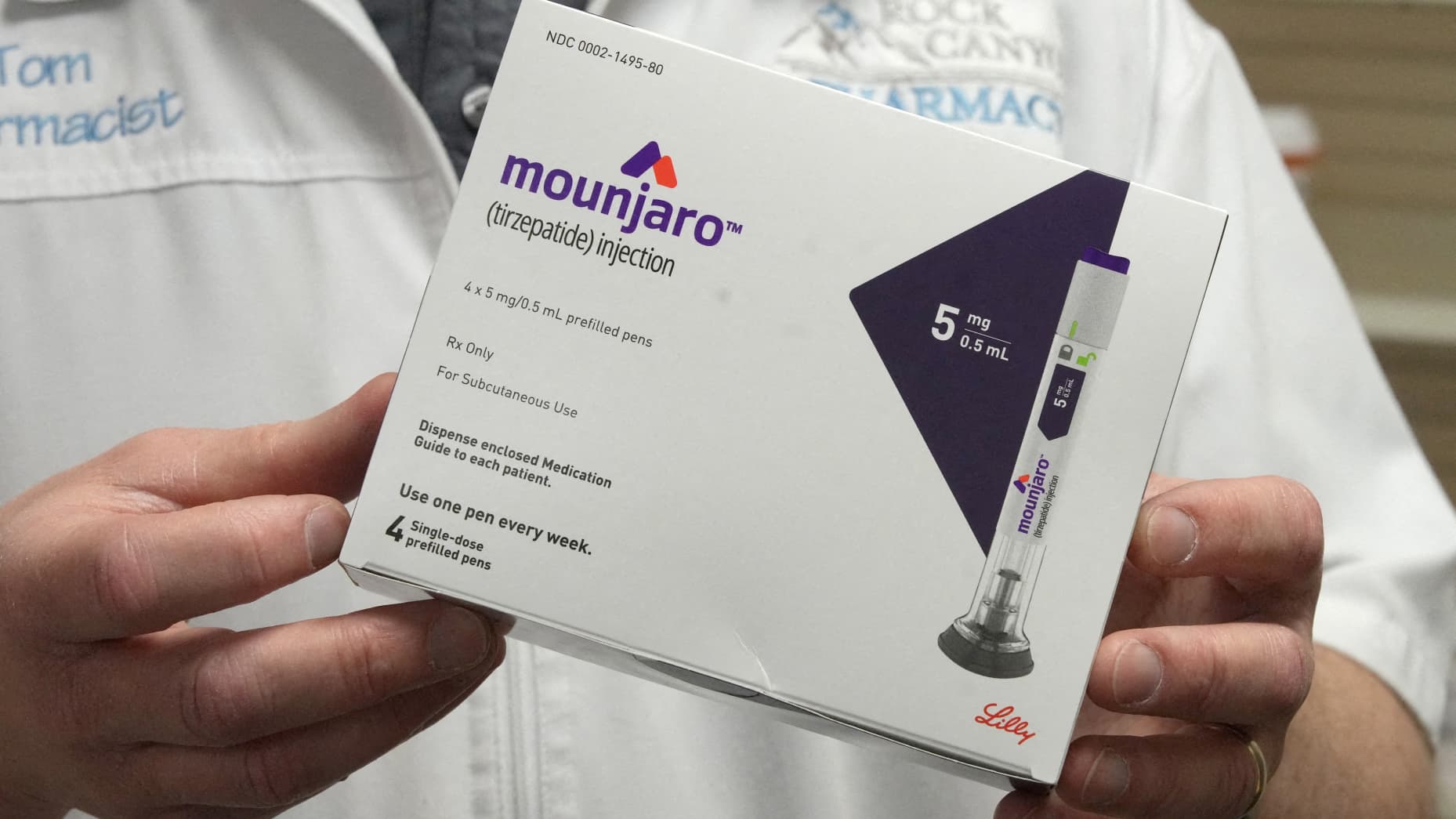
Eli Lilly filed its first round of lawsuits against sellers of copycat tirzepatide on Sept. 19, 2023, targeting 10 medical spas, wellness clinics and compounding pharmacies across the United States that it says marketed cheaper, unapproved versions of its diabetes drug Mounjaro [2]. The cases opened what became a long legal campaign against the compounded GLP-1 market, and Lilly has since said laboratory testing of some of these products found bacteria, high impurity levels, and in one case no drug at all [1].
The September 2023 suits were filed in federal courts in Florida, Texas, Arizona, Georgia, Minnesota, South Carolina and Utah [2]. Lilly asked the courts to block sales of what it called counterfeit versions of Mounjaro and sought monetary damages, with the amount unspecified in the filings described by CNBC [2]. According to STAT, Lilly accused four compounding pharmacies of violating state laws because their versions were not approved by the Food and Drug Administration, and accused several med spas and wellness centers of trademark violations, false advertising and unfair competition for selling products under the Mounjaro name [3].
A central point in Lilly's argument is supply. Lilly is the sole patent holder of tirzepatide and does not sell the ingredient to outside entities, so it is unclear what the spas and clinics were actually putting in their vials [2]. In its suit against Rx Compound Store, a Florida compounding pharmacy, Lilly wrote that the defendant was "simply creating, marketing, selling, and distributing unapproved new drugs for unapproved uses throughout Florida and fourteen other states" rather than doing the research and testing needed for regulatory approval [2]. Selling counterfeit Mounjaro, the company added, "puts patients at risk by exposing them to drugs that have not been shown to be safe or effective" [2]. Rx Compound Store did not immediately respond to CNBC's request for comment [2].
The timing mattered. Mounjaro was in short supply in the U.S. because of surging demand, much of it driven by off-label use for weight loss [2]. Novo Nordisk had already sued spas and clinics over compounded versions of Ozempic and Wegovy, both semaglutide, and the FDA warned in May 2023 about safety risks from unauthorized versions of those drugs [2]. As of Lilly's September 2023 filings, the FDA had not issued a similar warning about compounded tirzepatide, though Mounjaro, Ozempic and Wegovy had all been listed as in short supply since 2022 [2].
What Lilly said it found in the products
The specific contamination claims came later. In an open letter published June 20, 2024, Lilly said it had discovered compounded drugs advertised as tirzepatide with safety, sterility and efficacy problems: some contained bacteria, some had high impurity levels, some were pink instead of colorless, and some had a completely different chemical structure than its approved medicines [1]. In at least one instance, Lilly said, the product "was nothing more than sugar alcohol" [1]. That letter also flagged online pharmacies advertising compounded pill or oral versions of "tirzepatide," noting the FDA has approved tirzepatide only as an under-the-skin injection and that no regulator has evaluated oral versions [1].
Lilly's June 2024 announcement described new lawsuits and said they followed the cases filed in September and October 2023 [1]. By then, Lilly had also reached a settlement with Totality Medispa in May 2024 that required a monetary payment and barred conduct that misled consumers into thinking the company sold Mounjaro, Zepbound or an FDA-approved alternative, plus similar settlements with other med spas and wellness centers [1].
Why it matters for patients
For people who bought tirzepatide from a spa, clinic or telehealth site during the shortage, these filings are the clearest public accounting of what the manufacturer says it found in those vials. The FDA has stated that "compounded drugs pose a higher risk to patients than FDA-approved drugs" and that unnecessary use of them "exposes patients to potentially serious health risks" [1]. Compounded products can be legal in limited circumstances, but they are not FDA-approved and do not carry the same safety, quality and efficacy checks [1].
The lawsuits also show how hard it can be to know what is in a product labeled tirzepatide, since Lilly does not supply the ingredient to outside sellers [2]. Lilly separately reiterated that Mounjaro and Zepbound are approved only for adults with the specific diseases listed on their labels, not for cosmetic weight loss or for people under 18 [1].
What happens next
The outcomes of the individual September 2023 cases are not detailed in these sources. What is documented is the May 2024 Totality Medispa settlement and the second wave of legal actions announced June 20, 2024 [1].
Images from the sources
Sources
- https://investor.lilly.com/news-releases/news-release-details/lilly-warns-patients-about-counterfeit-and-compounded-medicines
- https://www.cnbc.com/2023/09/19/eli-lilly-sues-clinics-allegedly-selling-knockoff-versions-of-mounjaro.html
- https://www.statnews.com/pharmalot/2023/09/20/lilly-compounding-pharmacy-mounjaro-obesity-weight-nasal-ars-cipla-insulin-novo-pbm-beigene-biontech/
Semaglutides.org is for information only and is not medical advice. Always talk to a licensed healthcare provider about your own care. Some links to telehealth services are affiliate links, labeled where they appear.