EMA asks GLP-1 makers for data on suicidal thoughts
European regulators asked GLP-1 makers for more data on reports of suicidal thoughts in November 2023; the review closed in April 2024 finding no causal link and no label change [2].
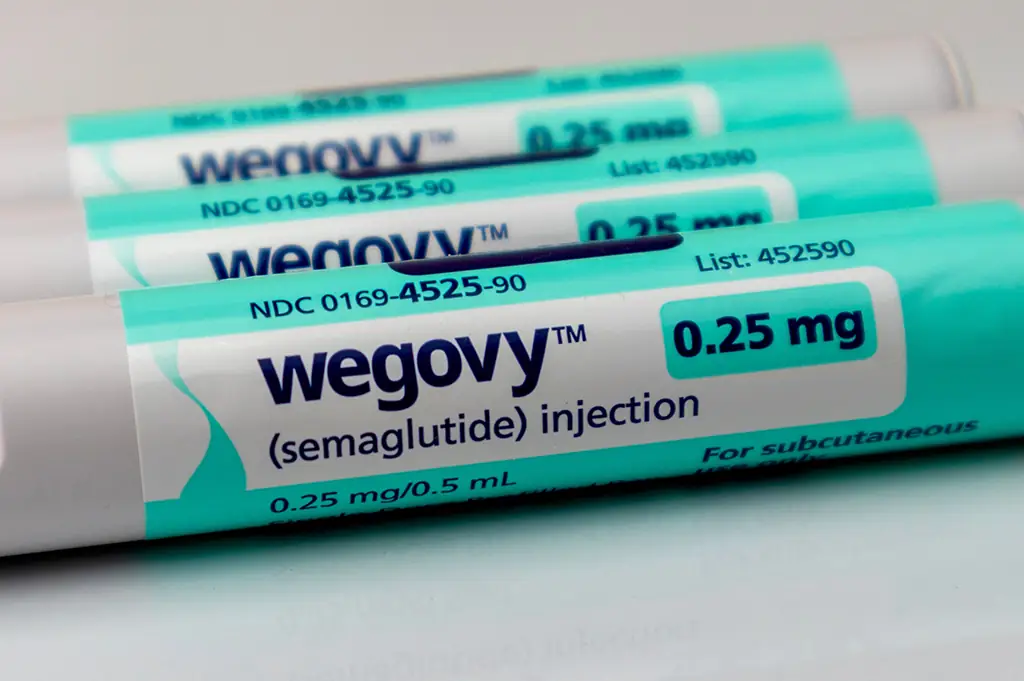
European regulators formally asked the companies behind semaglutide, liraglutide and other GLP-1 medicines for additional safety data in November 2023, part of a review into reports of suicidal thoughts and self-injury. Five months later, in April 2024, the European Medicines Agency's safety committee concluded that the available evidence did not support a causal link and that no change to product labeling was needed [2].
How the review started
The EMA's Pharmacovigilance Risk Assessment Committee (PRAC) opened the review in July 2023 after case reports of suicidal thoughts and thoughts of self-injury from people using liraglutide and semaglutide medicines [2]. The Pharmaceutical Journal reported that the review was triggered by the Icelandic Medicines Agency, and that PRAC said at the time it was analyzing roughly 150 reports of suicidal thoughts and thoughts of self-injury [1].
In November 2023, the committee requested additional data from the marketing authorization holders for a long list of products: Ozempic, Rybelsus and Wegovy (all semaglutide, Novo Nordisk); Victoza and Saxenda (liraglutide, Novo Nordisk); Xultophy (liraglutide with insulin degludec, Novo Nordisk); Byetta and Bydureon (exenatide, AstraZeneca UK, with Byetta now discontinued); Lyxumia (lixisenatide, Sanofi); Suliqua (insulin glargine with lixisenatide, Sanofi); and Trulicity (dulaglutide, Eli Lilly) [1][2].
What the committee concluded
On 12 April 2024, PRAC said the available evidence does not support a causal association between the GLP-1 receptor agonists dulaglutide, exenatide, liraglutide, lixisenatide and semaglutide and suicidal and self-injurious thoughts and actions [2].
The committee looked at non-clinical studies, clinical trials and post-marketing surveillance data, plus two specific studies. One was a study published in Nature Medicine (Wang and colleagues, 2024) using a large database of electronic health records, which compared the incidence of suicidal thoughts in people with overweight and type 2 diabetes treated with semaglutide versus other non-GLP-1 medicines for diabetes or overweight; it found no causal association between semaglutide and suicidal thoughts [2]. The second was an EMA study, also based on electronic health records, examining suicide-related and self-injury-related events in people with type 2 diabetes; its results likewise did not support a causal association [2].
"After reviewing the available evidence from non-clinical studies, clinical trials, post-marketing surveillance data and the available studies the PRAC considers that no update to the product information is warranted," the committee said [2]. The companies were told to keep monitoring these events closely, including any new publications, and to report new evidence in their Periodic Safety Update Reports [2].
Other regulators
The European decision did not settle the question everywhere. In January 2024, the US Food and Drug Administration said it was "evaluating the need for regulatory action" on GLP-1 receptor agonists following US reports of suicidal ideation [1]. The UK's Medicines and Healthcare products Regulatory Agency launched its own review in July 2023 covering exenatide, liraglutide, lixisenatide, dulaglutide and semaglutide [1]. Under the UK's Yellow Card reporting scheme, there were 28 reports of suicidal and self-injurious behavior among patients taking semaglutide and 23 reports among those taking liraglutide [1]. MHRA chief safety officer Alison Cave said the agency would "carefully consider all available evidence and communicate any further advice to patients and healthcare professionals as appropriate" [1].
Why it matters for patients
For people in the US taking or considering semaglutide or another GLP-1 drug, the practical takeaway is that a major regulator examined this question with more than spontaneous reports — including two electronic health record studies — and did not find a causal link, so European labels were left unchanged [2].
It is worth understanding what that does and does not mean. Adverse event reports, like the roughly 150 the EMA started with [1] or the UK Yellow Card counts [1], record events that happened while someone was on a drug; they do not establish that the drug caused them. A finding of "no causal association" also is not the same as proof that nothing can ever happen in an individual person, which is why the companies were required to keep reporting new evidence [2].
The sources here do not describe any change to US prescribing information, and the outcome of the FDA's evaluation is not reported in them [1]. Questions about mood changes while on these medicines are matters to raise with a prescribing clinician.
What happens next
July 2023: EMA review opens [2]. November 2023: PRAC requests additional company data [2]. January 2024: FDA says it is evaluating the need for regulatory action [1]. 12 April 2024: PRAC concludes no causal link, no label update; ongoing monitoring continues through Periodic Safety Update Reports [2]. The MHRA review remained under way as of that date [1].
Images from the sources

Sources
Semaglutides.org is for information only and is not medical advice. Always talk to a licensed healthcare provider about your own care. Some links to telehealth services are affiliate links, labeled where they appear.