Lilly commits $2.5 billion to a German injectables plant
Eli Lilly said it will spend $2.5 billion on a new injectable drug plant in Germany to boost supply of tirzepatide medicines like Mounjaro and Zepbound, which could ease shortages that have frustrated US patients.
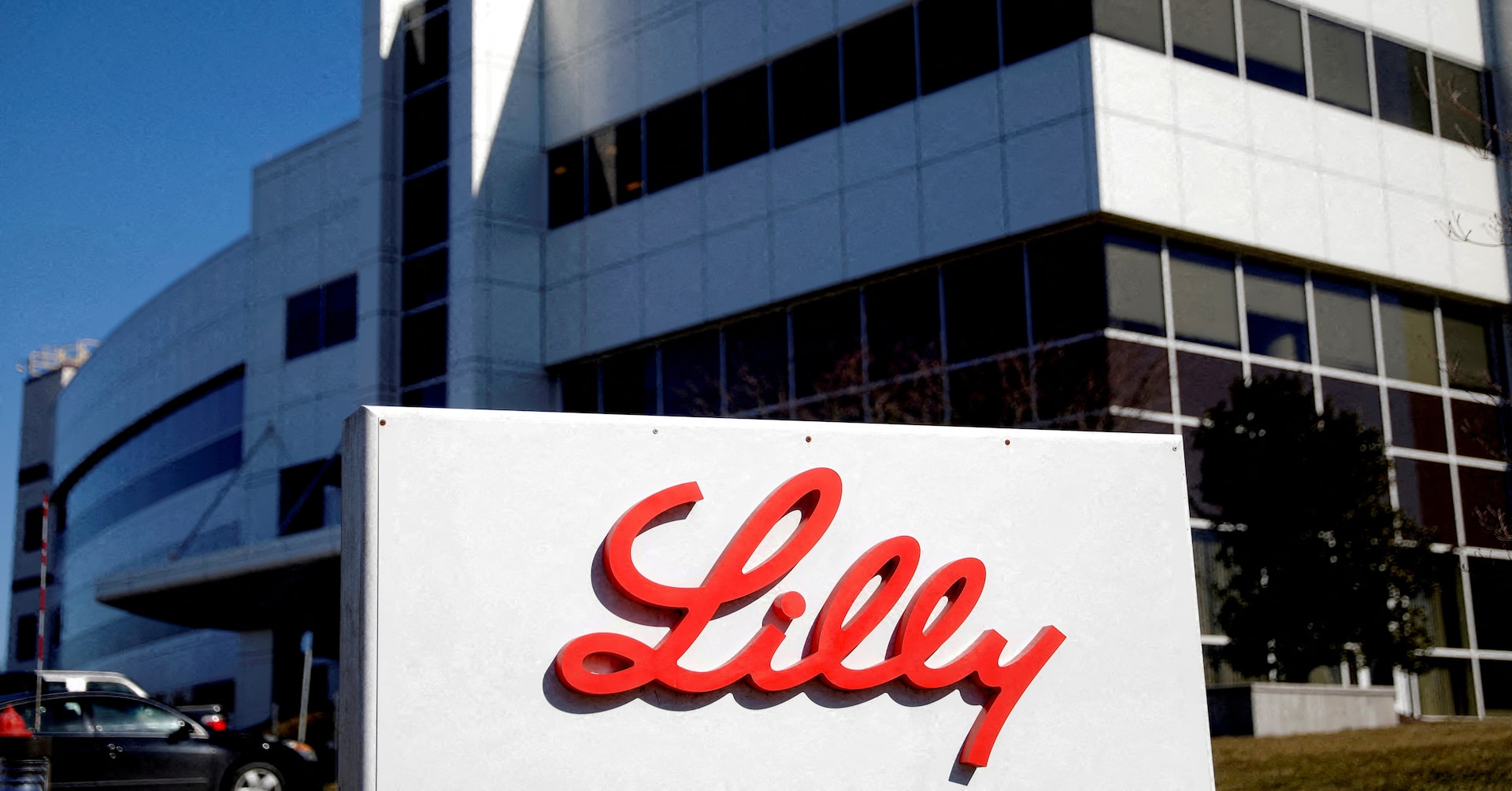
Eli Lilly announced on November 17, 2023, that it will build a $2.5 billion manufacturing plant in Alzey, Germany, to produce more of its injectable diabetes and obesity drugs, including tirzepatide products Mounjaro and Zepbound [1][2]. The investment, worth 2.3 billion euros, marks Lilly's first major manufacturing plant in Germany and is aimed squarely at meeting soaring demand for its incretin medicines [1].
Construction is set to begin in 2024, with the plant expected to start operating in 2027 [2]. The facility will use automation and high-speed manufacturing lines to produce incretin drugs and the injection pens used to deliver them, and it is expected to employ up to 1,000 skilled workers such as engineers, technicians, and scientists [1][2].
The announcement comes amid what Lilly has called an aggressive push to expand manufacturing capacity. The company said it has now committed more than $11 billion to global manufacturing investments over the past three years [1][2]. That includes $1.7 billion for a facility in Research Triangle Park, North Carolina, more than $500 million for an active ingredient plant in Ireland, and a $1.6 billion commitment to two new sites in Indiana's LEAP Innovation Park, which brought Lilly's total investment there to $3.7 billion, its largest at a single location [2].
Lilly's manufacturing head, Edgardo Hernandez, said Germany offers a skilled workforce and existing infrastructure, along with the chance to form a manufacturing cluster with a Lilly site in Fegersheim, France [1]. Lilly plants in France and Italy already produce incretin drugs like Mounjaro [1]. The Alzey announcement followed the November 8, 2023, US approval of Mounjaro's active ingredient, tirzepatide, for weight loss under the brand name Zepbound [1].
Why it matters for patients
Supply has been a persistent problem for people prescribed tirzepatide and semaglutide medicines. Lilly acknowledged in its third-quarter 2023 report that it expects supply constraints to continue for some time as it adds capacity, and the company said it asked doctors outside the US to stop starting new patients on Trulicity, another Lilly diabetes drug, to help manage demand [1]. A new plant coming online in 2027 will not fix near-term shortages, but it signals that Lilly is investing heavily to expand production over the next several years.
Competition for manufacturing capacity is intense across the industry. Novo Nordisk, which makes semaglutide products Ozempic, Wegovy, and Rybelsus, has said the industry as a whole is far from producing enough to meet global demand and announced its own $6 billion investment in Danish facilities around the same time [1]. Both companies are racing to serve what analysts estimate could become a $100 billion global market for anti-obesity treatments [1].
For US patients specifically, the sources do not say whether the Alzey plant's output will be earmarked for American markets or distributed globally, so any direct effect on US supply timelines is not yet known. German health minister Karl Lauterbach said the investment would help secure faster access to new therapies and reduce dependence on fragile global supply chains, a comment aimed at Germany's own healthcare system [1]. Notably, Germany's state health insurance does not cover weight-loss drugs, meaning patients there seeking Mounjaro for obesity would pay out of pocket, a policy Lauterbach said was not currently up for review [1].
What happens next
Construction on the Alzey site is expected to begin in 2024, with the plant slated to start production in 2027 [2]. Until then, Lilly has said supply constraints for its incretin drugs are likely to persist as the company works through its broader $11 billion manufacturing expansion across sites in the United States, Ireland, and now Germany [1][2].
Images from the sources

Sources
Semaglutides.org is for information only and is not medical advice. Always talk to a licensed healthcare provider about your own care. Some links to telehealth services are affiliate links, labeled where they appear.