Novo Nordisk commits 2.1 billion euros to expand its Chartres plant in France
Novo Nordisk said in November 2023 it would spend 2.1 billion euros to expand its Chartres, France, plant as part of a broader push to keep up with demand for its semaglutide medicines Ozempic, Wegovy, and Rybelsus.
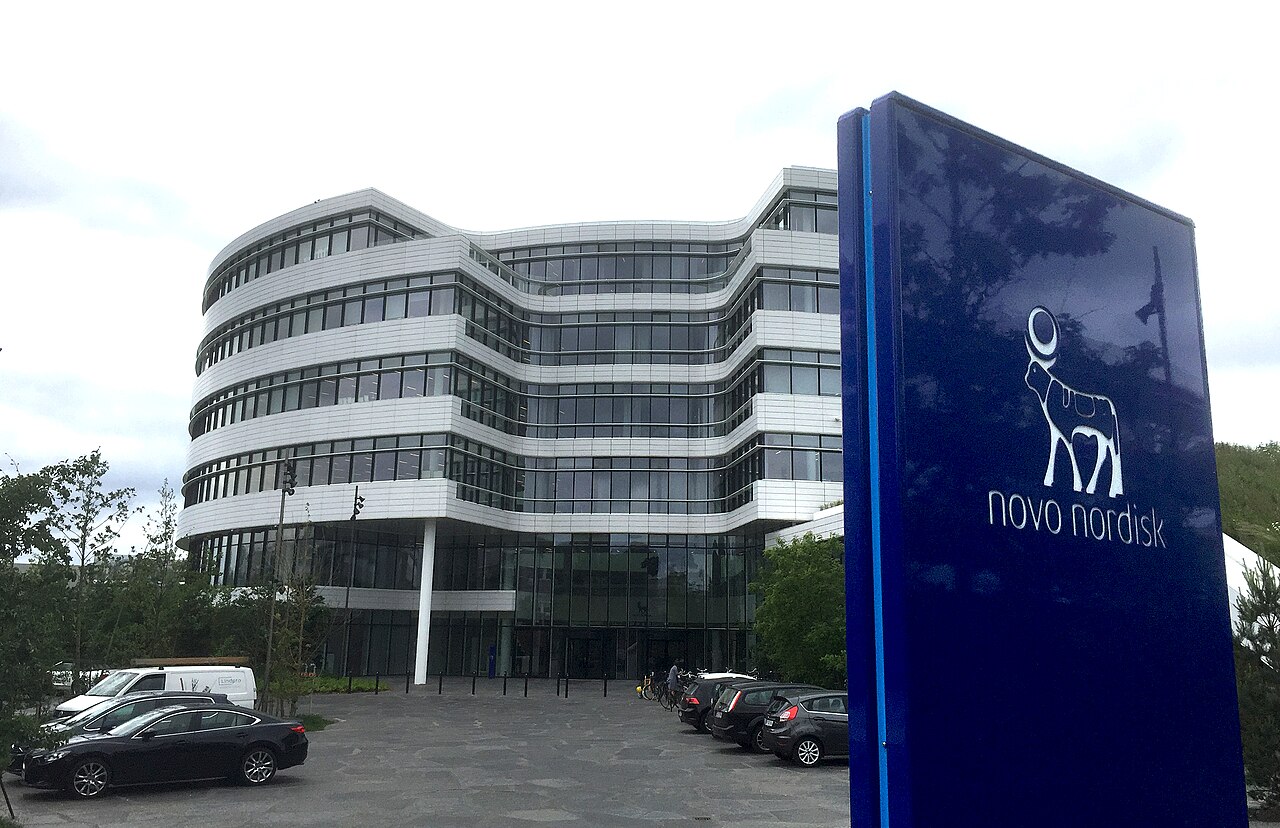
Novo Nordisk announced on November 24, 2023, that it would commit 2.1 billion euros to expand its manufacturing site in Chartres, France. The move was described as one of several capacity announcements the company made that year as it tried to keep pace with soaring demand for semaglutide, the active ingredient in Ozempic, Wegovy, and Rybelsus.
The company profile available for this report does not include the specific details of the Chartres project, such as how many jobs it would add, what kind of manufacturing lines were planned, or when the expanded plant would come online. Those specifics are not yet known from the sources reviewed for this article.
What is documented is the scale of the company behind the investment. Novo Nordisk is a Danish pharmaceutical company headquartered in Bagsværd, and it lists Ozempic and Wegovy among its core products alongside older diabetes drugs like NovoRapid and Levemir [1]. As of 2021, the company said it employed more than 48,000 people and sold products in 168 countries [1]. By 2025, its workforce had grown to 68,794 employees, and its reported revenue for that year reached 309.1 billion Danish kroner, with net income of 102.4 billion kroner [1]. In 2024, net sales were reported at $42.121 billion [1]. The company's market value grew large enough that it exceeded the gross domestic product of Denmark's own economy in 2023, making it the highest-valued company in Europe at the time [1].
That rapid growth lines up with the timing of the Chartres announcement. Novo Nordisk was in the middle of a stretch where demand for its GLP-1 medicines outstripped what its existing factories could produce, a mismatch that has been widely tied to intermittent shortages of Ozempic and Wegovy in the United States and elsewhere. The company profile does not spell out exactly how the Chartres investment fit into that broader supply push, but it confirms the company's overall trajectory of expansion during this period, including its consistent listing of semaglutide products (Ozempic, Wegovy, Rybelsus) as central to its business [1].
Why it matters for patients
For patients in the United States who rely on Ozempic, Wegovy, or Rybelsus, manufacturing capacity is not an abstract corporate detail. When a company cannot make enough of a drug, pharmacies run short, insurers sometimes tighten access, and patients can face delays refilling prescriptions or switching between dose strengths. Capacity announcements like the one in Chartres are one of the main tools a drugmaker has to try to close that gap over time, even when the expansion itself takes months or years to translate into more product on pharmacy shelves.
At the same time, a single investment announcement does not tell patients when supply will actually improve, or whether a specific facility upgrade addresses the particular formulations sold in the US market. The source reviewed here does not detail construction timelines, production targets, or whether the Chartres site manufactures product for the US, so those questions remain open based on what is confirmed.
What happens next
The available source material does not include a timeline for when the Chartres expansion would be completed or when any added capacity might reach patients. Novo Nordisk's broader financial reporting shows continued revenue and headcount growth through 2025 [1], suggesting the company kept expanding output during this period, but specific milestones tied to the Chartres project itself are not established in the sources used for this report.
Sources
Semaglutides.org is for information only and is not medical advice. Always talk to a licensed healthcare provider about your own care. Some links to telehealth services are affiliate links, labeled where they appear.