Real-world analysis finds Mounjaro patients lost more weight than Ozempic patients
A large records analysis found faster, larger weight loss on tirzepatide than on semaglutide, but the data are observational and covered the diabetes versions of both drugs.
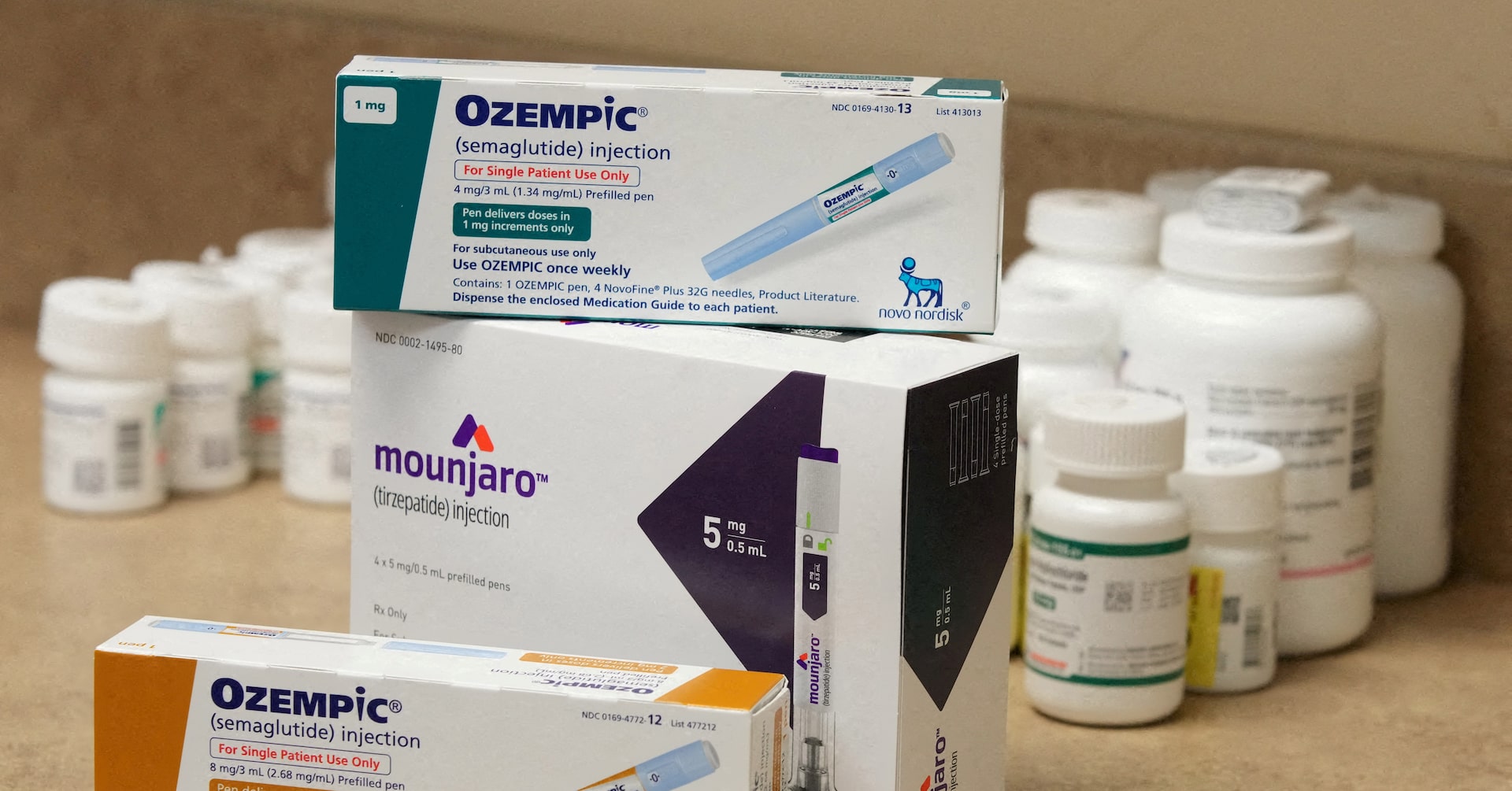
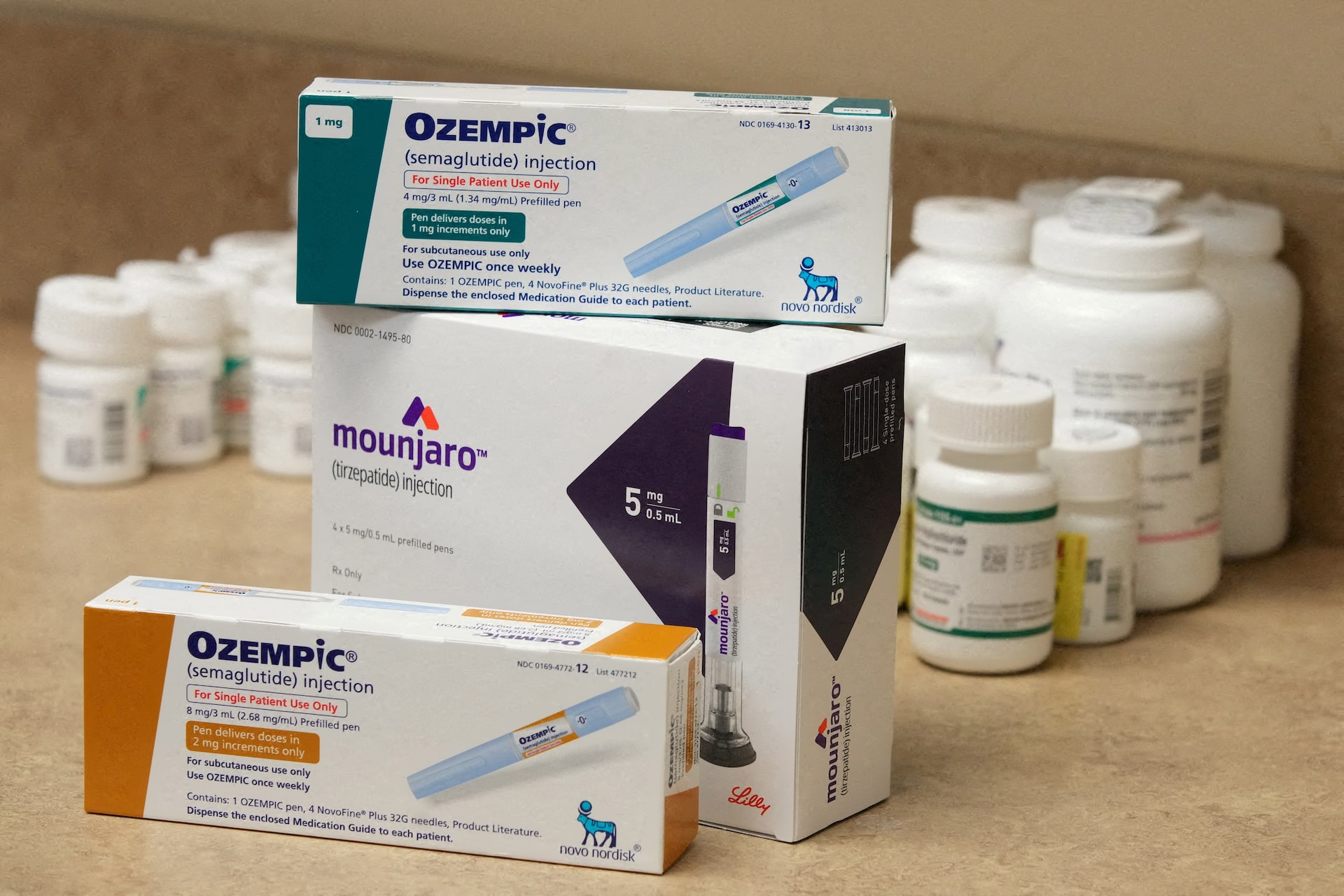
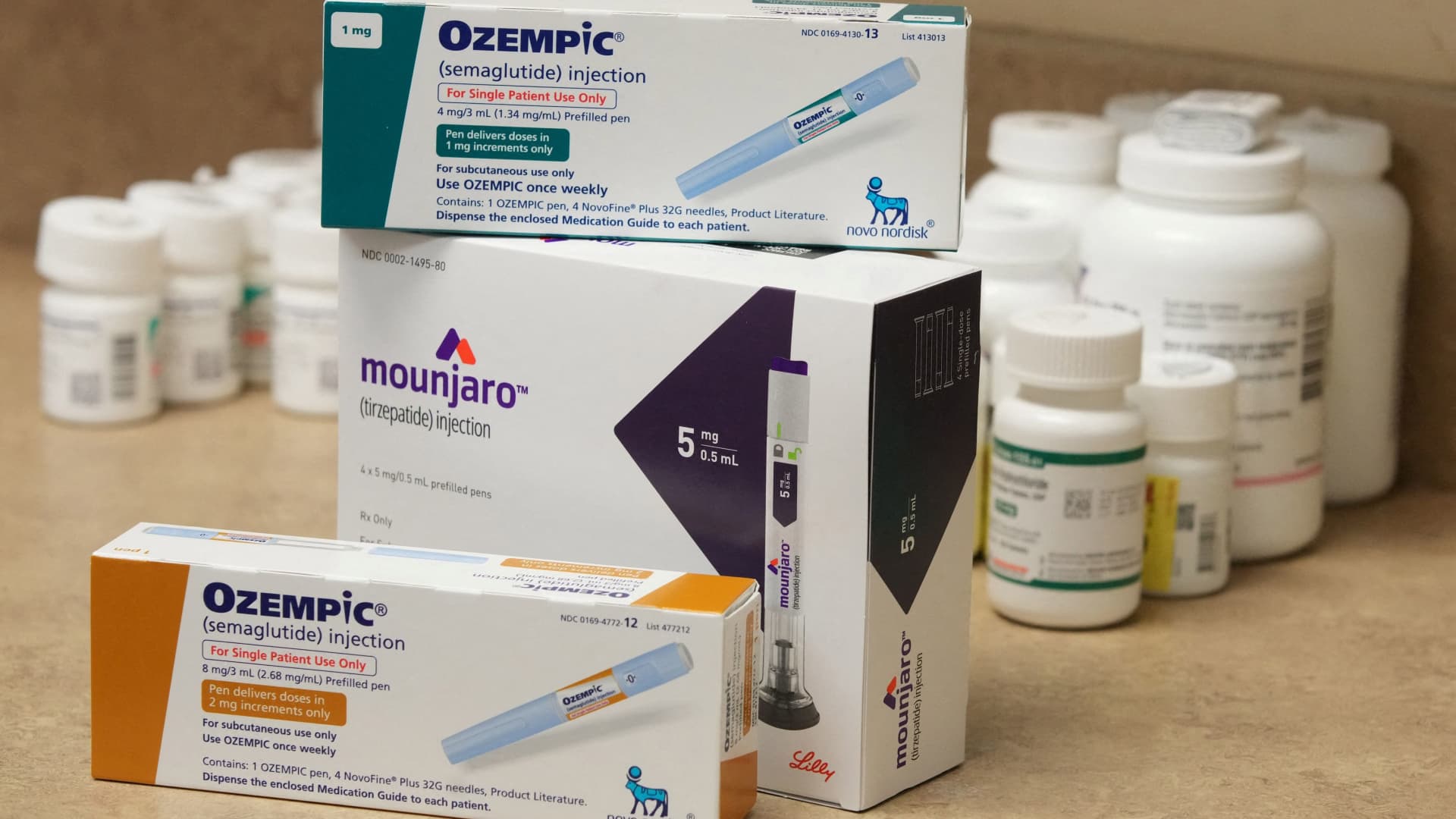
Adults taking tirzepatide, sold as Mounjaro, lost more weight and lost it faster than adults taking semaglutide, sold as Ozempic, in an analysis of routine medical records posted Nov. 27, 2023, on the preprint server medRxiv [1][2]. Among patients who reached one year of treatment, 42.3% of those on tirzepatide had lost at least 15% of their body weight, compared with 19.3% of those on semaglutide [1].
The work came from Truveta Research, which analyzes records from a group of health systems [2]. Researchers compared 9,193 patients on Mounjaro with the same number of closely matched patients on Ozempic — roughly 18,000 adults in all — who started one of the drugs between May 2022 and September 2023 [1][2]. The average participant weighed 242 pounds (110 kilograms), and about half had type 2 diabetes [1]. CNBC reported that nearly 52% of the patients had type 2 diabetes [2].
After accounting for individual risk factors, patients on Mounjaro were 76% more likely to lose at least 5% of their body weight, more than twice as likely to lose at least 10%, and more than three times as likely to lose at least 15%, compared with patients on Ozempic [1]. CNBC described the same comparisons as 1.8 times, 2.6 times and three times more likely [2].
Average weight loss also differed at each checkpoint. At three months, patients on Mounjaro had lost 5.9% of their body weight versus 3.6% on Ozempic; at six months, 10.1% versus 5.9%; at one year, 15.2% versus 7.9% [2]. Reuters reported the gap as 2.3 percentage points at three months, widening to 4.3 points at six months and 7.2 points at one year [1]. Rates of gastrointestinal side effects were similar between the groups [1][2]. Patients without type 2 diabetes lost more weight than those with it, but the difference between the two drugs was similar in both groups [2].
Both drugs were approved for type 2 diabetes at the time; half of the study participants used them for weight loss only, which the researchers said may have affected the results [1].
Novo Nordisk said in an emailed statement that "the doses of semaglutide evaluated in this analysis have not been investigated for chronic weight management, and there are no head-to-head trials that have (been) reported which evaluate Wegovy and tirzepatide" [1]. A Novo spokesperson also told CNBC that the study did not account for Ozempic being given at slightly lower doses than its weight-loss counterpart Wegovy, and that Mounjaro and Zepbound are the same medicine at the same doses [2].
An Eli Lilly spokesperson said the company does not promote or encourage off-label use of its medicines and noted that the study was not sponsored by the drugmaker [1][2]. The report itself carries the standard preprint warning that it "should not be used to guide clinical practice" [1].
Semaglutide mimics one gut hormone, GLP-1. Tirzepatide mimics GLP-1 and a second hormone, GIP, a dual action that some experts say could produce greater weight loss [2]. "We've been able to compare the head-to-head efficacy of these two important medications for weight loss in advance of randomized clinical trials," said Dr. Nick Stucky, an author of the study and vice president of Truveta Research [2].
Why it matters for patients
Observational data from health records cannot settle the question the way a randomized trial can, and the two research teams that published the medRxiv report and the two drugmakers agree that no completed head-to-head trial exists for the weight-loss versions of these medicines [1][2]. The comparison here used the diabetes-branded products, and Novo Nordisk says the semaglutide doses in the analysis were never studied for chronic weight management [1]. That means the numbers may not carry over exactly to Wegovy or Zepbound. What the analysis does not show is anything about other health outcomes, costs or insurance coverage, and no such findings were reported in these accounts. Weight loss itself varied widely: even in the higher-performing group, most patients did not reach 15% loss at one year [1].
What happens next
A head-to-head trial comparing the weight-loss formulations of the two injected medicines in people who are overweight or obese but do not have type 2 diabetes is already underway. Results are not expected until 2025 [1][2].
Images from the sources
Sources
Semaglutides.org provides information only, not medical advice. Talk to a licensed provider about your own care before making changes. Some telehealth links are affiliate links and are labeled where they appear.