Eli Lilly opens LillyDirect to route patients to telehealth and home delivery
A drugmaker is now part of the route from patient to prescriber, raising conflict-of-interest questions while leaving the price of Zepbound unchanged.
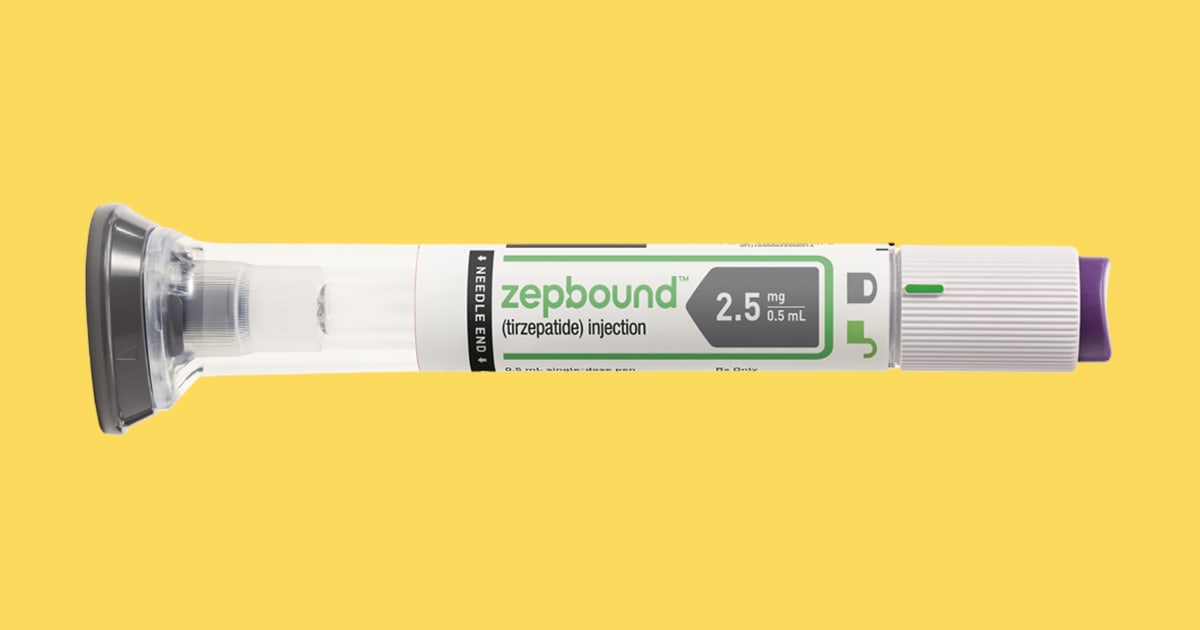
Eli Lilly launched LillyDirect on Jan. 4, 2024, a U.S. website that lets patients with obesity, diabetes or migraine reach independent telehealth providers and have select Lilly medicines shipped to their homes [1][2]. NBC News described it as the first platform of its kind from a drug manufacturer [2].
The service has several parts. LillyDirect Pharmacy Solutions is a digital pharmacy run through third-party online pharmacy fulfillment services; shipping is free, and Lilly savings cards are applied automatically for patients who qualify [1]. The site also carries education about each condition, a list of independent telehealth providers and a search tool for finding clinicians who see patients in person [1]. Zepbound, the weight-loss drug the FDA approved less than two months before the launch, is among the medicines eligible for home delivery [2].
Prices do not change. Lilly offers no discounts through the site, Zepbound's list price is over $1,000 for a month's supply, and insurance often does not cover the drugs, NBC News reported [2]. Patients still have to meet the criteria for the medicines, which are meant for long-term use rather than quick weight loss [2]. Mounjaro is not part of LillyDirect, though CEO David Ricks told The Wall Street Journal it may be added later [3].
For obesity, Lilly directs patients to Form Health, a telehealth practice specializing in obesity medicine. Form also prescribes other weight-loss drugs, including Novo Nordisk's Wegovy, and its physicians are not paid by Lilly to prescribe Zepbound, Ricks said [2][3]. Ricks also said doctors at Form and at 9amHealth, which Lilly works with on diabetes drugs, will not be told whether a patient came through LillyDirect [3]. Form founder and CEO Evan Richardson said the company gathers medical records, confirms patients qualify for the drugs and coordinates with their primary care doctors; patients on a weight-loss drug typically meet a physician by video about once a month [2][3].
Skeptics focused on the link between the company selling the drugs and the clinicians prescribing them. "What fuels my skepticism is that the stakes are so high," said Arthur Caplan, who leads the division of medical ethics at NYU Langone Medical Center. "There's so much money that's going to move with these injectables. That creates at least the appearance of conflict of interest" [2]. Zeev Neuwirth, a former health system executive, told Becker's he wanted the arrangement explained more clearly and asked what firewalls separate Lilly from the telehealth companies [3]. Andrew Kraftson, an obesity medicine specialist at Michigan Medicine, told The New York Times that expecting fully neutral, balanced care through the site seemed unrealistic [3].
The American College of Physicians said in a Jan. 5 statement that it is "concerned by the development of websites that enable patients to order prescription medications directly from the drugmaker," and that responsible telemedicine requires an established patient-physician relationship or consultation with a doctor who has one [3]. A Lilly spokesperson told Becker's the company receives no referral payments from third-party providers and that those providers "are not incentivized by Lilly to promote Lilly products" [3]. Other experts quoted by Becker's said the platform should make care easier to reach for people who struggle to see a specialist in person, and can steer patients away from counterfeit or compounded copies that the FDA has warned about [3]. Lilly published an open letter the same day warning against "cosmetic use" of its weight-loss medicines [3].
Why it matters for patients
LillyDirect puts a drug manufacturer at the front of the path to a prescription, which is the heart of the objection from the American College of Physicians and the ethicists quoted by NBC News and Becker's [2][3]. Lilly says it pays nothing for referrals and does not reward prescribing [3], but the safeguards Neuwirth asked about have not been described publicly [3].
Cost is the other practical issue. Patients who sign up get free shipping and automatic savings-card application if they qualify [1], yet list prices are unchanged and insurance coverage for weight-loss drugs is often unavailable [2]. Paying cash costs the same as it would elsewhere [2].
Where the prescription is written, and who holds the record, also shapes care. Lilly describes telehealth through the site as something that may complement a patient's existing primary care team [1], and Form says it obtains records, checks eligibility and works with a patient's primary care physician [3].
What happens next
Lilly said the platform will keep being updated and expanded, with possible additions including new products, partners and services, such as programs to help patients stay on their medicines. No dates were given [1]. Ricks raised the possibility of adding Mounjaro without saying when [3]. Experts quoted by Becker's expect rival weight-loss drug makers to build similar sites [3]. No regulatory action against the platform has been reported [3].
Sources
- https://investor.lilly.com/news-releases/news-release-details/lilly-launches-end-end-digital-healthcare-experience-through
- https://www.nbcnews.com/health/health-news/weight-loss-drug-online-website-eli-lilly-rcna131597
- https://www.beckershospitalreview.com/pharmacy/eli-lilly-weight-loss-drug-platform-draws-experts-concern/
Semaglutides.org provides information only, not medical advice. Talk to a licensed provider about your own care before making changes. Some telehealth links are affiliate links and are labeled where they appear.