Novo Holdings agrees to buy Catalent for $16.5 billion
Novo Nordisk's controlling owner agreed to buy manufacturer Catalent for $16.5 billion and hand three injection-filling plants to Novo Nordisk, a move aimed at easing Wegovy shortages — with added capacity expected from 2026.
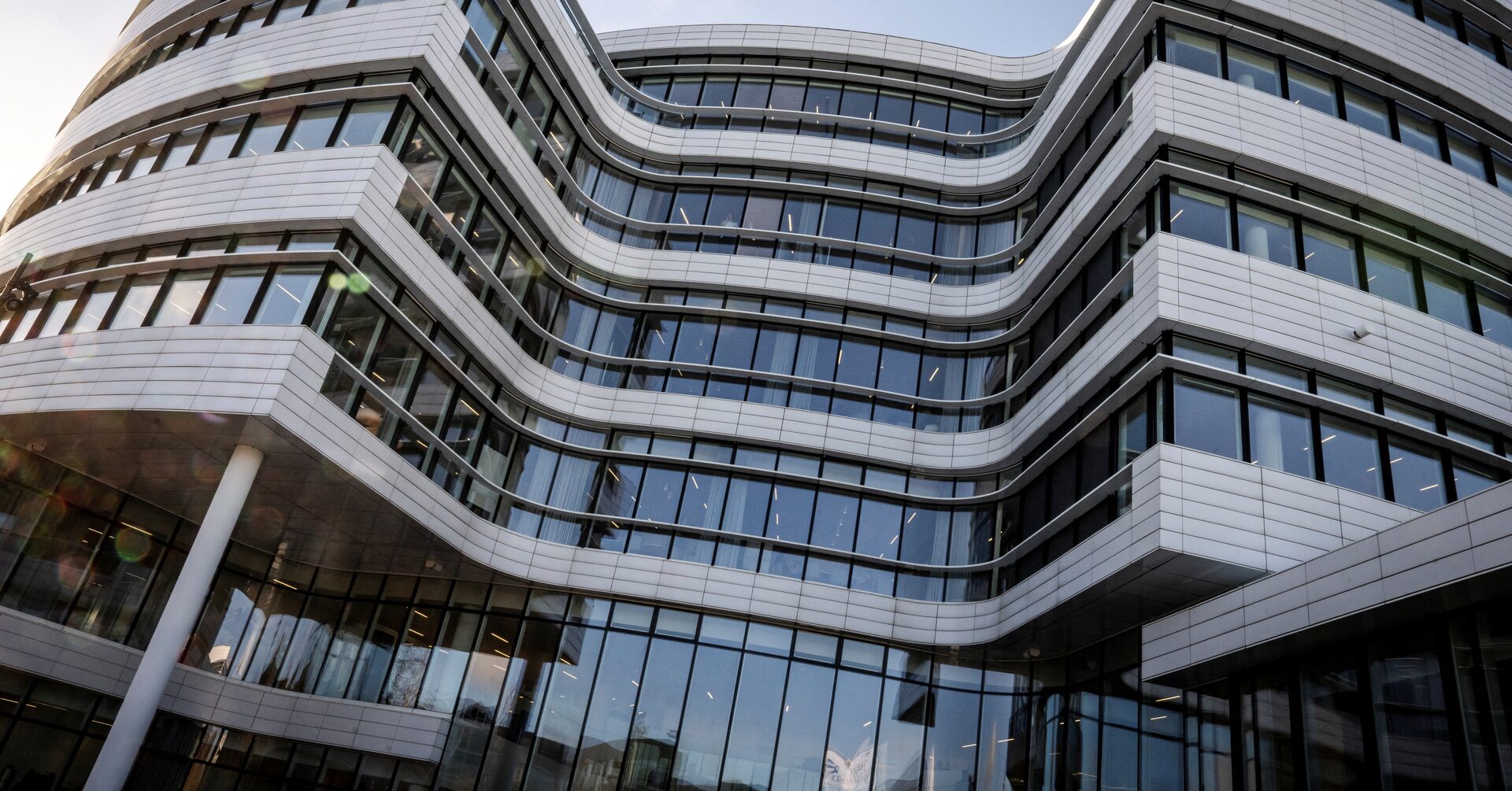
Novo Holdings, the investment arm of the Novo Nordisk Foundation, announced on February 5, 2024 that it had agreed to buy contract manufacturer Catalent in an all-cash deal valuing the company at $16.5 billion, and that it would sell three of Catalent's injection-filling plants to Novo Nordisk [1][2]. The stated goal was to expand the bottlenecked step in making Wegovy: filling injection pens [1].
The numbers
Catalent stockholders were to receive $63.50 per share in cash, a 16.5% premium to the stock's closing price on February 2, 2024, and a 47.5% premium to the 60-day volume-weighted average price as of that date [2]. Measured against the August 28, 2023 close — the last trading day before Catalent said its board had formed a committee to review the business — the premium was 39.1% [2]. Novo Holdings was buying Catalent's shares for $11.5 billion before debt, with the $16.5 billion figure representing enterprise value [1][2].
After closing, Novo Holdings planned to sell three Catalent fill-finish sites — in Anagni, Italy; Brussels, Belgium; and Bloomington, Indiana — to Novo Nordisk for $11 billion [1]. Novo Holdings holds 76.9% of the voting shares in Novo Nordisk, according to Reuters [1]; Wikipedia lists the figure as roughly 77.1% of voting shares and about 28.1% of total shares [4]. The three sites are a small slice of Catalent's business: the company operated more than 50 global sites and generated nearly $4.3 billion in revenue in its 2023 fiscal year, with a workforce of nearly 18,000 [2].
Investors reacted quickly. Novo Nordisk shares rose 3.63% in Copenhagen and Catalent's stock rose as much as 10% in New York, a more than nine-month high [1].
Why the filling step matters
Fill-finish is the sterile process of loading drug into injection pens, and it had been the choke point for Novo Nordisk's supply of Wegovy [1]. The Brussels and Bloomington sites already did fill-finish work for Wegovy and would eventually stop making drugs for other pharmaceutical companies; that shift, plus the Italian plant, would let Novo Nordisk raise Wegovy output faster than expected, JP Morgan analysts said [1].
Quality problems were part of the backdrop. Reuters reported in 2023, citing regulatory documents, that Catalent's Brussels plant repeatedly breached U.S. sterile-safety rules in 2021 and 2022 and that staff failed to perform required quality checks [1]. Greater control over its own supply chain should help Novo Nordisk avoid a repeat of the manufacturing problems Catalent caused it throughout 2022, one portfolio manager told Reuters [1].
Novo Nordisk said buying the sites would have a low single-digit percentage negative effect on operating profit growth in 2024 and 2025 [1]. A person familiar with the matter said the deal should not raise antitrust concerns because only three of roughly 50 Catalent sites were going to the drugmaker, with just one in the United States [1].
Why it matters for patients
The practical issue for people in the U.S. during this period was not whether semaglutide existed but whether filled pens reached pharmacies. This deal targeted that step directly. But the timeline was long: Reuters reported Novo Nordisk anticipated the deal would help increase its filling capacity from 2026 [1] — not immediately after the announcement.
The competitive context also matters. Novo Nordisk faces Eli Lilly's tirzepatide injection Zepbound in the obesity market, which analysts have estimated could be worth as much as $100 billion by the end of the decade [1]. Runaway demand pushed both companies' profits and share prices higher, but ramping up production was a major hurdle for both [1].
One open question was what the change meant for other drugmakers that relied on those three plants. Reuters reported it was not immediately clear which other pharma clients might be affected by the sale to Novo Nordisk, though a source said Novo Nordisk would ensure an orderly transition and continue to take care of all customers [1].
What happens next
The merger was expected to close toward the end of calendar year 2024, subject to Catalent stockholder approval and regulatory clearances, with no financing contingency [2]. Activist investor Elliott Investment Management, a significant Catalent shareholder, signed a support agreement to vote in favor [2].
Novo Holdings announced on December 18, 2024 that it had completed the acquisition, and confirmed it would sell the Anagni, Bloomington and Brussels fill-finish sites to Novo Nordisk [3]. Catalent CEO Alessandro Maselli stayed on to lead the company as a private business [3].
Images from the sources
Sources
Semaglutides.org is for information only and is not medical advice. Always talk to a licensed healthcare provider about your own care. Some links to telehealth services are affiliate links, labeled where they appear.