Market capitalization passes $600 billion on amycretin data
Novo Nordisk's market value hit about $604 billion on March 8, 2024 after early data on amycretin, an experimental obesity drug — but trial details are not in the available sources.
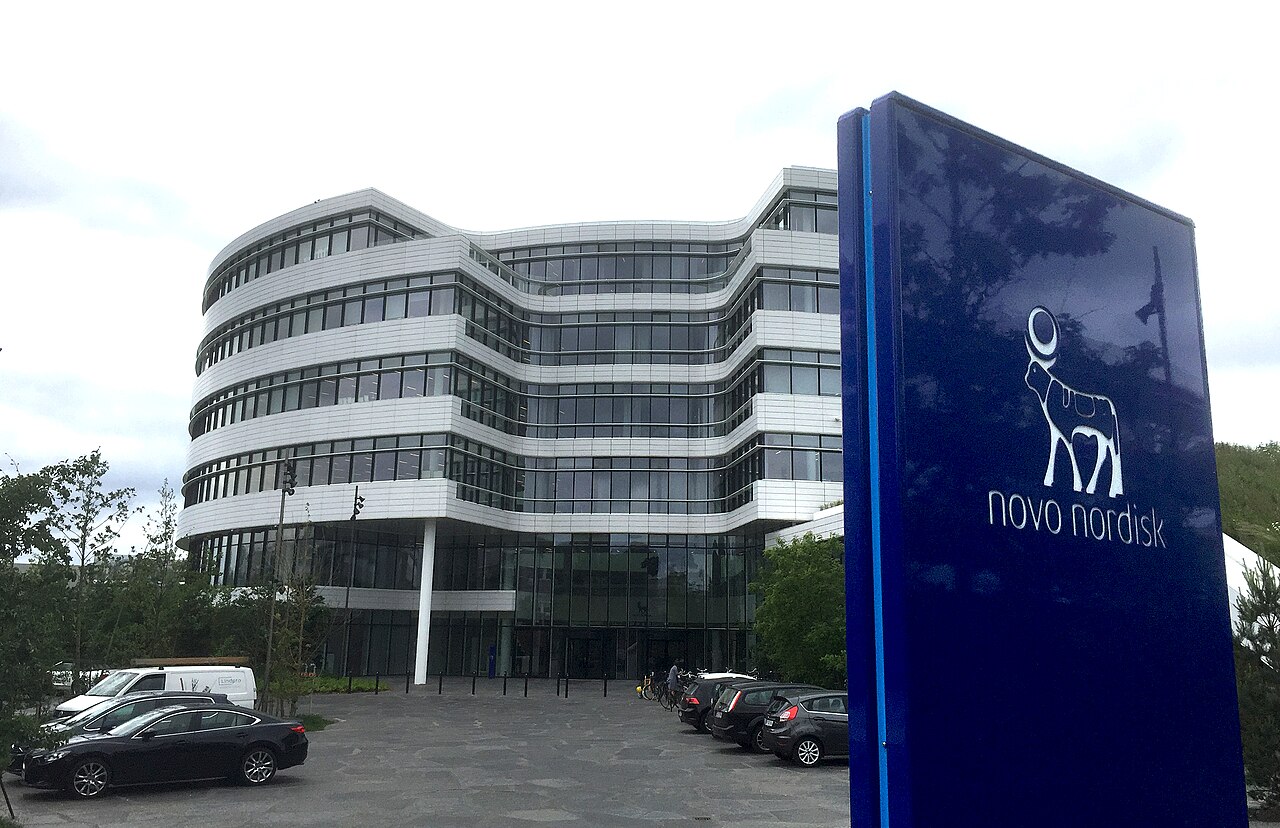
Novo Nordisk's stock market value reached roughly $604 billion on March 8, 2024, making the Danish drugmaker the twelfth most valuable company in the world at the time. The jump followed the release of early clinical trial data for amycretin, an experimental obesity treatment still in development.
The move extended a run that had already reshaped European markets. Novo Nordisk's market capitalization exceeded the gross domestic product of Denmark's domestic economy in 2023, and the company is the highest-valued company in Europe [1].
What the sources do and don't show
The documentation available for this story does not include the amycretin trial results themselves. That means several things patients would reasonably want to know are not yet established here: how many people were in the study, how much weight they lost, how long the trial ran, what side effects were reported, whether the drug was given as an injection or a pill, and what phase of testing it had reached. Those figures are not in the sources provided, so they are not reported here.
What is documented is the company behind it. Novo Nordisk A/S is a Danish multinational pharmaceutical company headquartered in Bagsværd [1]. It makes and sells pharmaceutical products and services, primarily diabetes and obesity medications and devices [1]. Its product list includes Ozempic and Wegovy — both semaglutide — along with older obesity and diabetes drugs such as Saxenda and Victoza, and a range of insulins including Levemir, Tresiba and NovoRapid [1]. The company markets its products in 168 countries [1].
Ownership is unusual for a company of this size. Novo is controlled by majority shareholder Novo Holdings A/S, which is wholly owned by the Novo Nordisk Foundation and holds about 28.1% of its shares and 77.1% of its voting shares [1]. The corporation was created in 1989 through a merger of two Danish companies whose roots date to the 1920s and early insulin production [1].
Company financial figures listed after the March 2024 milestone give a sense of scale: net sales in 2024 were US$42.121 billion, and reported revenue for 2025 was 309.1 billion Danish kroner with net income of 102.4 billion kroner [1]. Employment was listed at 68,794 [1].
Why it matters for patients
A share price moving on early-stage data is a signal about investor expectations, not about whether a medicine works, is safe, or will ever be approved. Amycretin is described as experimental. Nothing in the available sources indicates it has been reviewed or cleared by the US Food and Drug Administration, and early trial results are typically small and preliminary compared with the large late-stage studies regulators require.
Still, the business side has real consequences for people using GLP-1 drugs. Valuations at this level reflect expectations of continued demand for obesity and diabetes treatments, which in turn shapes how much manufacturing capacity companies build, how hard they compete on price, and which follow-up products get funded. Semaglutide products already on the US market — Ozempic and Rybelsus for type 2 diabetes, Wegovy for weight management — are the commercial base for that spending [1].
It also matters that a next-generation candidate exists at all. Patients weighing today's options sometimes ask whether to wait for something better. Based on the sources here, there is no timeline for amycretin, no efficacy number to compare against existing drugs, and no way to judge tolerability. Any comparison to semaglutide or tirzepatide (Mounjaro and Zepbound) would be speculation at this point.
What happens next
The next meaningful checkpoints for an experimental drug like amycretin would normally be publication of the full early-phase results, a decision on whether to start larger trials, and eventually a regulatory filing. None of those dates appear in the available sources, so they are not yet known.
For context on how quickly the picture can change: the March 8, 2024 valuation of about $604 billion was a snapshot. Market values rise and fall on later trial readouts, competitor results, supply news and earnings. The company's own reported results for 2024 and 2025 are documented [1], but share price levels after that date are not covered by the sources used here.
Sources
Semaglutides.org is for information only and is not medical advice. Always talk to a licensed healthcare provider about your own care. Some links to telehealth services are affiliate links, labeled where they appear.