EMA finds no causal link between GLP-1s and suicidal thoughts
Europe's drug safety committee concluded on April 12, 2024 that evidence does not support a causal link between GLP-1 drugs like semaglutide and suicidal thoughts, and said no label change is needed [1].

The European Medicines Agency's safety committee has closed a nine-month review of GLP-1 receptor agonists and concluded that the available evidence does not support a causal association between these medicines and suicidal or self-injurious thoughts and actions [1]. The committee said no update to the product information is warranted [1].
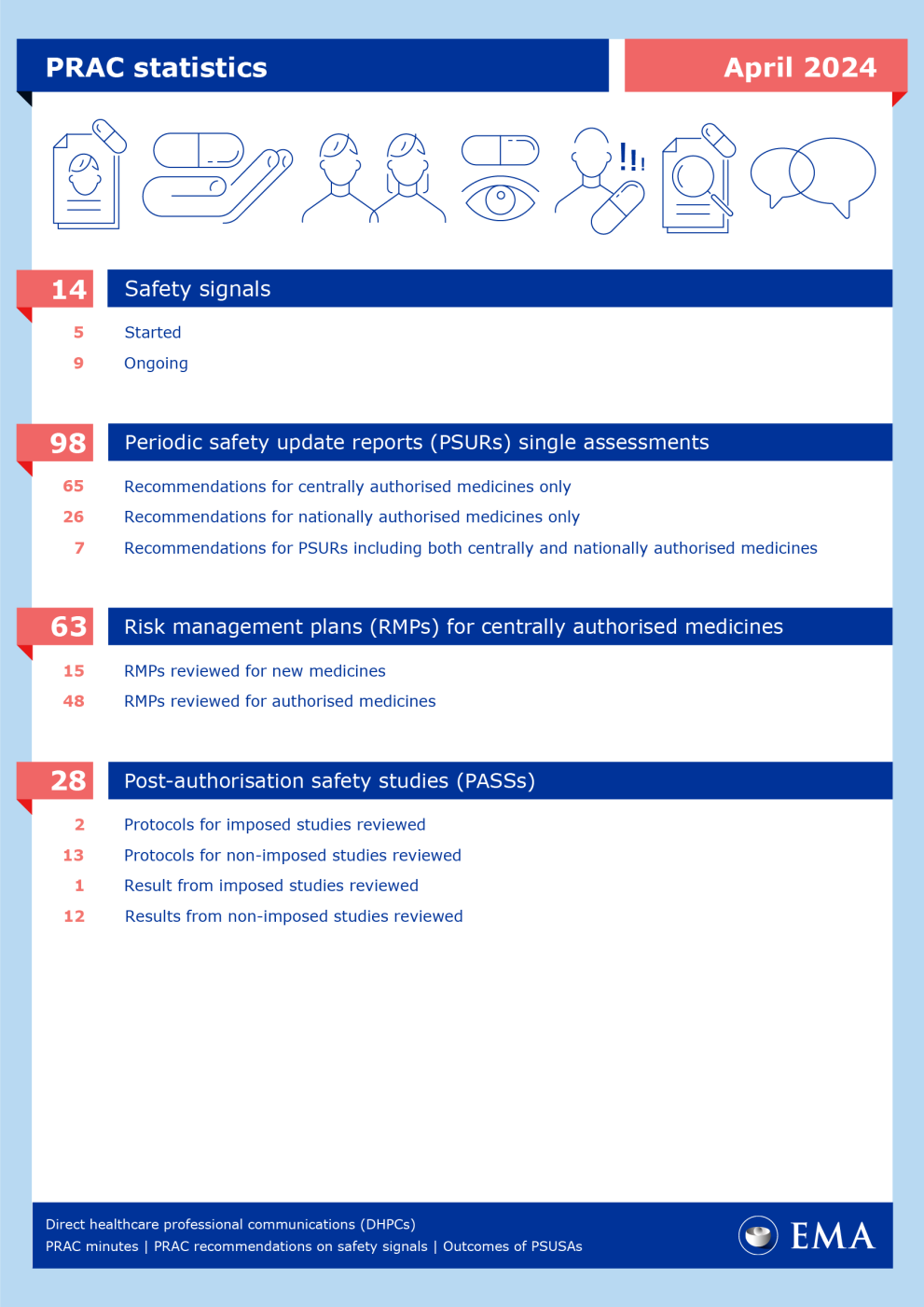
The conclusion, announced on April 12, 2024, came from the EMA's Pharmacovigilance Risk Assessment Committee, known as PRAC, after its April 8–11 meeting [1]. The review covered five molecules: dulaglutide, exenatide, liraglutide, lixisenatide and semaglutide [1]. Those include the brands Ozempic, Rybelsus and Wegovy (semaglutide), Victoza, Saxenda and Xultophy (liraglutide), Byetta and Bydureon (exenatide), Lyxumia and Suliqua (lixisenatide) and Trulicity (dulaglutide) [1].
How the review unfolded
The review began in July 2023 after case reports of suicidal thoughts and thoughts of self-injury from people using liraglutide and semaglutide medicines [1]. According to BioSpace, the Icelandic Medicines Agency flagged several of those reports in people taking Saxenda and Ozempic [2]. In November 2023, PRAC asked the companies that hold the marketing authorizations for these products to supply additional data [1]. In December 2023, after a preliminary review, the committee said it could not yet reach a definitive conclusion and pointed to several issues that still needed clarifying [2].
To finish the job, PRAC looked beyond individual case reports. It reviewed a study published in Nature Medicine in January 2024 that used a large database of electronic health records to compare the incidence of suicidal thoughts in patients with overweight and type 2 diabetes treated with semaglutide versus other, non-GLP-1 medicines for diabetes or overweight [1]. That study found no causal association between semaglutide use and suicidal thoughts [1]. BioSpace reports the analysis drew on records from more than 240,000 overweight or obese patients and actually found GLP-1 drugs were associated with a significantly lower likelihood of suicidal thoughts, with a consistent result in a separate analysis of nearly 1.6 million patients with type 2 diabetes [2].
The EMA also ran its own study using electronic health records, examining the risk of suicide-related and self-injury-related events in people with type 2 diabetes [1]. Those results did not support a causal association with GLP-1 receptor agonist use either [1]. Taken together with non-clinical studies, clinical trials and post-marketing surveillance data, PRAC decided the labels do not need to change [1].
The committee did not declare the question permanently settled. Marketing authorization holders will continue to monitor these events closely, including any new publications, and must report new evidence in their Periodic Safety Update Reports [1].
Why it matters for patients
For people in the United States taking or considering semaglutide or another GLP-1 drug, this is a second major regulator reaching the same conclusion. The FDA opened its own look at suicidal ideation and self-harm risks with GLP-1 drugs in January 2024, and about a week later a preliminary review found no evidence supporting such an association [2].
Practically, the EMA decision means the European product information for these medicines will not carry a new warning about suicidal thoughts based on this review [1]. It does not change US labeling, which the FDA controls. It also does not mean mood changes reported by individual patients were imaginary; regulators concluded the data do not show the drugs cause these events, which is a different statement than saying no patient has ever experienced them. Case reports are what triggered the review in the first place [1].
One important limit: the EMA review covered dulaglutide, exenatide, liraglutide, lixisenatide and semaglutide [1]. The sources do not indicate that tirzepatide (Mounjaro and Zepbound) was part of this particular assessment, so how European regulators view that molecule on this question is not addressed here.
What happens next
There is no scheduled follow-up date for this issue. The next step described in the sources is ongoing routine surveillance: companies will keep tracking reports and publications and will report any new evidence through their Periodic Safety Update Reports [1].
Separately, at the same April 2024 meeting, PRAC agreed on the content of a direct healthcare professional communication about new tablet strengths for Rybelsus (oral semaglutide), meant to explain the differences between the current and newly proposed formulations [1]. That letter goes to the EMA's human medicines committee, CHMP, for adoption, and would be sent to healthcare professionals only after the application is finalized and if CHMP issues a positive opinion [1].
Images from the sources


Sources
Semaglutides.org is for information only and is not medical advice. Always talk to a licensed healthcare provider about your own care. Some links to telehealth services are affiliate links, labeled where they appear.