Lilly buys a Wisconsin injectables plant to add fill-finish capacity
Eli Lilly is buying a Wisconsin injectables plant from Nexus Pharmaceuticals to add pen-filling capacity, aiming to ease Mounjaro and Zepbound shortages that have left many US patients unable to fill prescriptions.
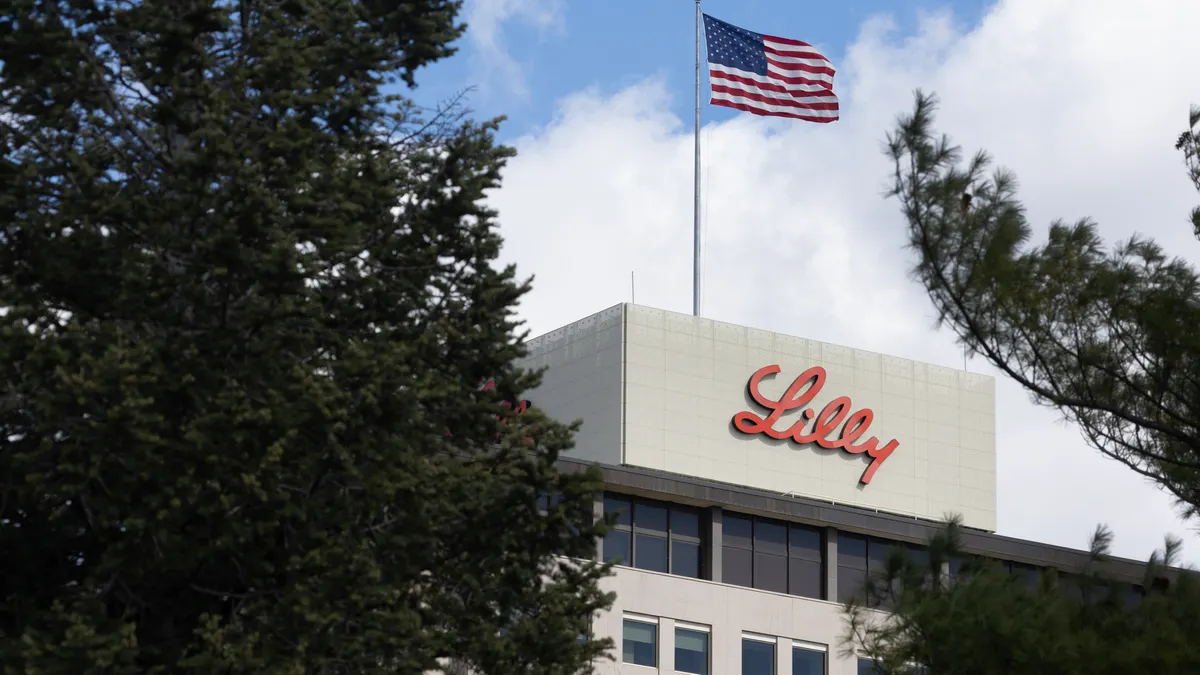
Eli Lilly said on April 22, 2024, that it will acquire an injectable drug manufacturing facility in Pleasant Prairie, Wisconsin, from Nexus Pharmaceuticals for an undisclosed sum [1][2]. The move is meant to expand Lilly's capacity to fill and finish injector pens, a step in production that has become the bottleneck for its diabetes drug Mounjaro and obesity drug Zepbound, both based on the molecule tirzepatide [1].
The 84,000-square-foot plant recently passed an FDA inspection and currently does not offer contract manufacturing services for other companies, so once the deal closes it will be dedicated entirely to making Lilly's medicines [2]. Nexus says it invested $100 million to build the facility, which broke ground in 2019, opened in 2021, and began commercial production in 2023 [1]. Lilly expects production at the site could start by the end of 2025 [1][2]. A Lilly spokesperson declined to say whether Mounjaro or Zepbound specifically would be made there [2].
The purchase comes as shortages of both drugs have dragged on. Just before the deal was announced, the FDA extended its timeline for resolving the Mounjaro shortage and added most doses of Zepbound to its shortage database, listing "demand increase" as the cause for both [1]. As of the announcement, doses of Mounjaro and Zepbound were listed in the FDA's shortage database through the end of June 2024, and Novo Nordisk's competing drug Wegovy has also faced limited availability [2].
This is one piece of a larger buildout. Lilly is also expanding a plant in North Carolina expected to come online by the end of 2024, and in late 2023 it announced a planned $2.5 billion facility in Alzey, Germany, expected to begin operations in 2027 and eventually employ 1,000 people [1][2]. Rival Novo Nordisk has been expanding capacity too, with its parent company Novo Holdings agreeing in February 2024 to take contract manufacturer Catalent private for $16.5 billion, a deal that included Novo Nordisk paying $11 billion for three Catalent plants [2]. One analyst, Evercore ISI's Umer Raffat, said the Catalent deal gives Novo more added capacity than the Nexus purchase gives Lilly, though he wrote Lilly may invest more to expand the Wisconsin site further [2].
Why it matters for patients
For people currently prescribed Mounjaro or Zepbound, the shortage has meant some pharmacies cannot fill certain doses, forcing patients to switch doses, wait, or go without [1]. The Nexus acquisition targets the specific step where these drugs get stuck, filling the injector pens, rather than the earlier chemical manufacturing stage [1]. But the newly acquired plant is not expected to start producing until the end of 2025, so it does not offer a quick fix for shortages happening now [1][2]. Growing demand for GLP-1 drugs could also increase if regulators approve tirzepatide for additional uses; Lilly has said it planned to seek a label expansion for sleep apnea by mid-2024 based on study results showing reduced sleep apnea events in people who are overweight or obese [2]. That means supply pressures may not ease even as manufacturing capacity grows.
What happens next
Lilly expects the Nexus facility acquisition to close and production to potentially begin by the end of 2025 [1][2]. The North Carolina plant Lilly has been building is expected to come online by the end of 2024 [1]. The Germany facility in Alzey is expected to begin operations in 2027 [1][2]. In the meantime, the FDA's shortage listings for tirzepatide products were, as of the announcement, projected through the end of June 2024, though that timeline had already been extended once [1][2].
Sources
Semaglutides.org is for information only and is not medical advice. Always talk to a licensed healthcare provider about your own care. Some links to telehealth services are affiliate links, labeled where they appear.