FDA warns that compounded-label strength expression can cause 5x to 50x dosing errors
FDA says compounded injectable labels that lead with strength-per-mL instead of strength-per-total-volume have caused doses 5 to 50 times too high, a labeling pattern also seen on some compounded semaglutide products.
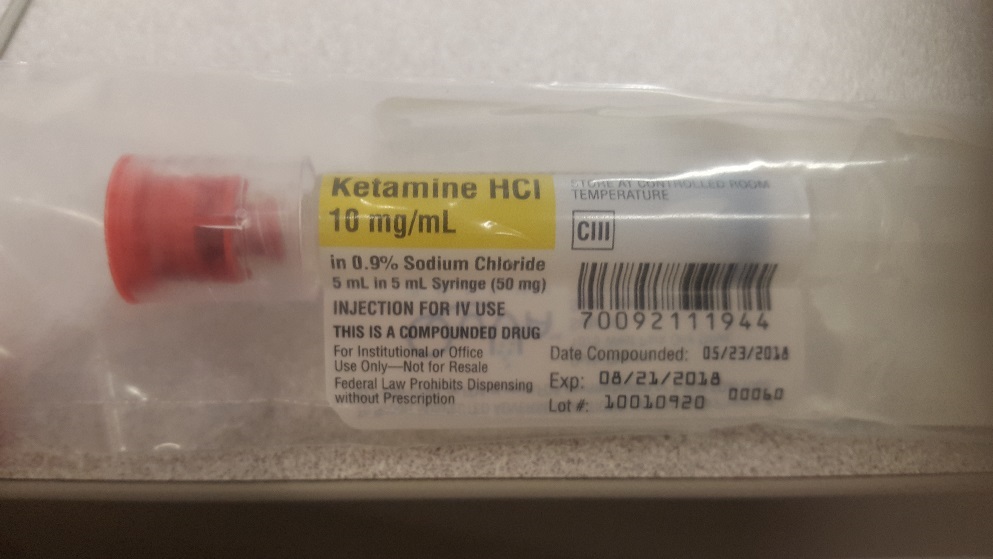
The Food and Drug Administration updated a compounding risk alert on May 21, 2024, warning that the way compounders print strength on small-volume injectable labels can cause dosing errors of 5 to 50 times the intended amount [1]. The alert, first issued in 2018 and updated this year, says compounders often list strength per milliliter as the largest, most visible number, while conventional drug manufacturers put strength per total volume in that prominent spot [1].
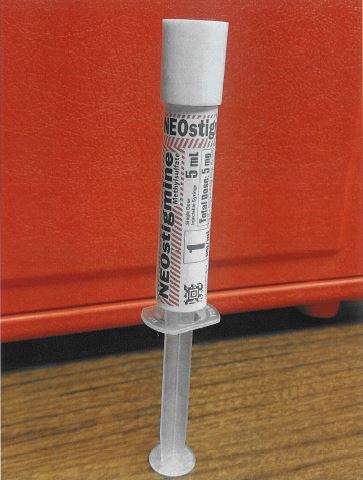
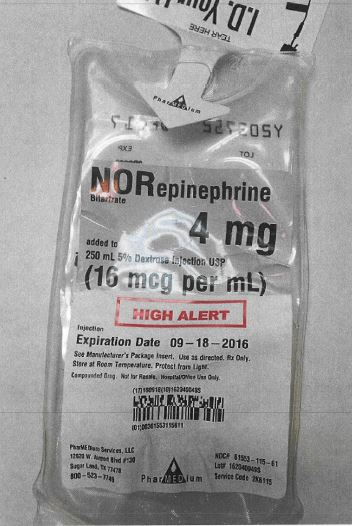
FDA's case reports show what can go wrong. In one, a patient prescribed 50 mcg of fentanyl received 2,500 mcg — 50 times the intended dose — because the IV bag displayed "50 mcg/mL" in large type, with the total amount, 2,500 mcg in 50 mL, printed smaller underneath [1]. A clinician read the per-mL number as the total dose in the bag. In another case, a patient prescribed 5 to 10 mg of ketamine was given 50 mg, 5 to 10 times too much, after a syringe highlighted "Ketamine HCl 10 mg/mL" in yellow with the total-volume strength printed in smaller type below it [1]. The patient became abnormally drowsy [1]. FDA also cited similar labeling confusion involving phenylephrine, neostigmine, succinylcholine, and norepinephrine products from several compounding pharmacies [1].
FDA's recommendation is that small-volume injectable labels show strength per total volume as the primary, prominent figure on the front label, with strength per milliliter placed afterward in parentheses [1]. That matches a 2022 FDA guidance document and a U.S. Pharmacopeia labeling standard, USP General Chapter <7>, which the agency says most conventional manufacturers already follow [1]. The Institute for Safe Medication Practices had separately flagged the same pattern, saying compounders' habit of leading with strength-per-mL created "unsafe conditions" when compared with hospital products that use total-volume labeling [1].
Because compounded drugs are not reviewed by FDA before they reach the market, the agency says their labels do not go through the same premarket check that catches this kind of formatting problem in FDA-approved drugs [1]. FDA's risk alert page lists this strength-expression warning among more than a dozen compounding-related notices, including a separate July 26, 2024 alert about dosing errors tied specifically to compounded injectable semaglutide products [2].
Why it matters for patients
This alert does not target GLP-1 drugs by name, but it explains a labeling habit that has shown up in compounded versions of semaglutide, the active ingredient in Ozempic, Wegovy, and Rybelsus. A vial labeled simply "10 mg" without stating the total volume, or one that puts the per-mL concentration in large type, can be misread by a patient or clinician trying to figure out how many milligrams are in the whole container versus in each milliliter drawn into a syringe [1]. FDA's own case reports show this is not a hypothetical mix-up — it has caused real overdoses with other injectable drugs, at ratios up to 50 times the intended amount [1]. Patients using any compounded injectable, including compounded semaglutide or tirzepatide products, may want to notice whether a label states the total amount of drug in the entire vial as clearly as it states the concentration per milliliter, since FDA does not review these labels before they go on the market [1].
What happens next
FDA's alert recommends that compounders adopt total-volume-first labeling but does not describe a mandatory deadline or enforcement mechanism for compounding pharmacies to change their labels [1]. FDA continues to track compounding-related safety issues through its risk alert list, which as of the sources reviewed here includes a more recent, semaglutide-specific dosing error alert issued July 26, 2024 [2]. No further FDA action date tied specifically to the May 2024 strength-expression alert is described in the available sources.
Images from the sources
Sources
Semaglutides.org is for information only and is not medical advice. Always talk to a licensed healthcare provider about your own care. Some links to telehealth services are affiliate links, labeled where they appear.