FDA and Novo Nordisk warn of counterfeit Ozempic in U.S. supply chain
Counterfeit Ozempic reaching the normal U.S. supply chain raises infection and ingredient questions that the FDA has not fully resolved.
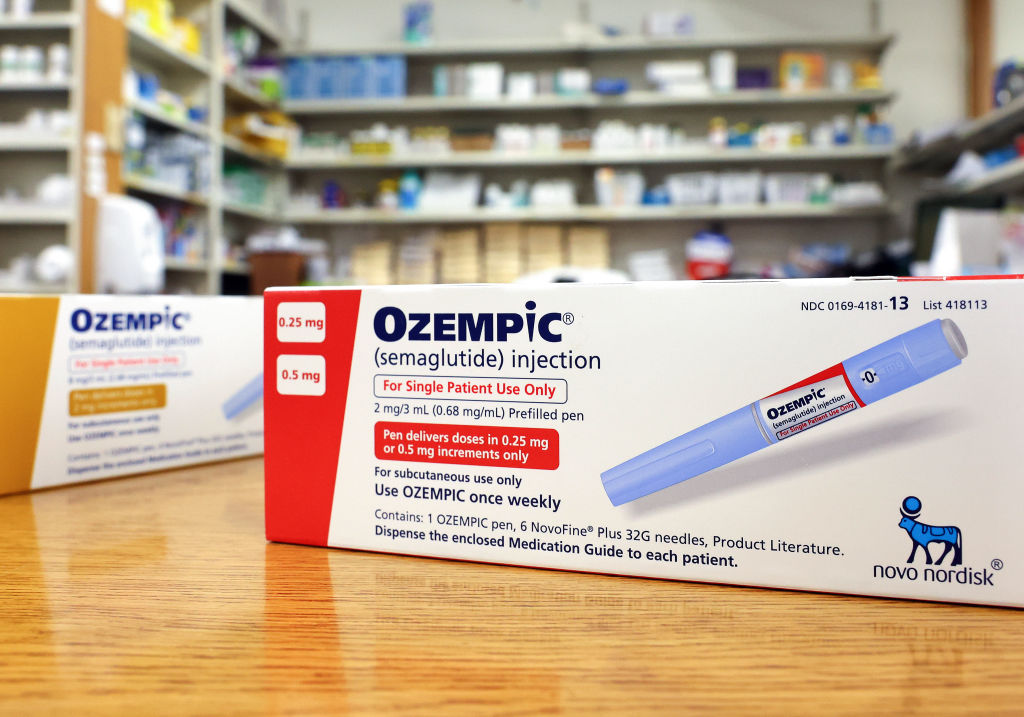
The FDA and Novo Nordisk warned in December 2023 that counterfeit copies of Ozempic, the brand name for semaglutide, had turned up in the "legitimate" U.S. drug supply chain, and that some units may still be in circulation [2]. Novo Nordisk has also warned of a surge in counterfeit versions of Ozempic and Wegovy, its other semaglutide brand [1].
The FDA told distributors, pharmacies, health care professionals and patients not to use products labeled with lot number NAR0074 or serial number 430834149057 [2]. The counterfeit comes in a 1 milligram injected dose. Thousands of units were seized, the agency said, but some may still be in circulation [2].
Five people who used products from that lot reported adverse effects, none of them different from Ozempic's widely known side effects, which include nausea, diarrhea and vomiting [2]. Novo Nordisk said it is uncertain whether every unit from the lot is counterfeit. "Novo Nordisk cannot guarantee the quality or safety of the counterfeit Ozempic product," the company said. "Visual analysis shows that needles and cartons appear to be counterfeit. Product composition has not been conclusively determined." The FDA and the company said counterfeit needles could increase the risk of infection [2].
The fake pens followed earlier alerts in other markets. In October 2023, health officials in the United Kingdom and Europe warned about falsified Ozempic pens. In November, Novo Nordisk sued two compounding pharmacies in Florida, and in September, Eli Lilly sued 10 medical spas, wellness centers and compounding pharmacies over products they claimed were the diabetes drug Mounjaro, which is tirzepatide [2]. The warnings have arrived as demand outruns supply. In the third quarter, Ozempic and Wegovy combined for $4.7 billion in sales, or 57% of Novo Nordisk's revenue, while Mounjaro sales reached $1.4 billion [2].
Why it matters for patients
The December notice stood out because the counterfeit pens were found in the ordinary U.S. supply chain, not only in products bought from unfamiliar websites or other informal sellers. The risk the FDA described was therefore not limited to drugs obtained outside licensed pharmacies [2]. A person filling a standard prescription has no way to tell a counterfeit pen from a genuine one by appearance alone, according to Novo Nordisk's statement that the cartons and needles looked fake but the contents were not confirmed [2].
Much about the case is still not known. It has not been disclosed how many counterfeit pens reached patients, how they entered the supply chain, or whether other lots or doses are affected [2]. Because Novo Nordisk said the composition of the product has not been conclusively determined, what those pens actually contained remains unclear [2]. Counterfeit needles raise a separate concern, since the FDA and the company said they could increase the risk of infection [2].
The FDA notice covers only products carrying lot number NAR0074 and serial number 430834149057 in a 1 mg dose [2]. The agency has not reported a broader recall tied to those identifiers, and no public way for patients to check a pen's serial number has been announced [2]. For people taking semaglutide as prescribed, the practical question is narrow: whether their pen matches the identifiers the FDA flagged [2].
Sources
Semaglutides.org provides information only, not medical advice. Talk to a licensed provider about your own care before making changes. Some telehealth links are affiliate links and are labeled where they appear.