Lilly adds $1.8 billion to Irish plants making tirzepatide and Alzheimer's ingredients
Lilly's Irish expansion adds production capacity for tirzepatide and Alzheimer's ingredients, but the company has not said when or whether U.S. supply will change.
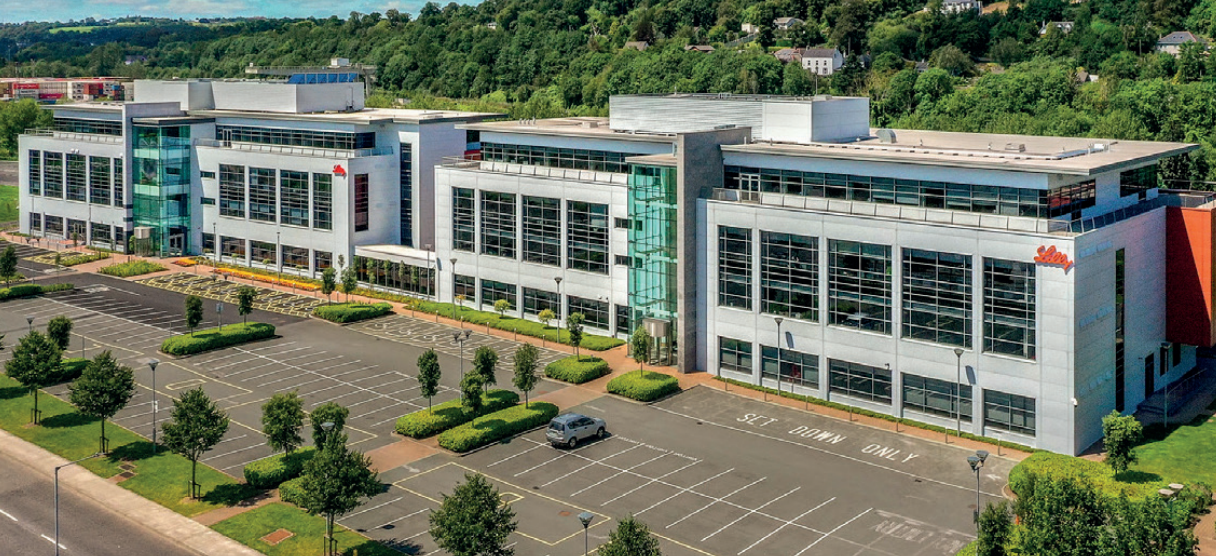
Eli Lilly will spend $1.8 billion across two manufacturing sites in Ireland, the company said on Sept. 12, 2024. The plan adds $1 billion to its Limerick plant, which is still under construction, and unveils an $800 million expansion at Kinsale, about two hours to the south, where Lilly makes its tirzepatide medicines [1][2].
What the money buys
Limerick will produce biologic active ingredients, the substances finished medicines are made from. Lilly said the site will make ingredients for its Alzheimer's disease portfolio and other biologic medicines [1]. The press release describes the Alzheimer's product as a "recently approved treatment for early symptomatic Alzheimer's disease" [1]; FiercePharma identifies it as Kisunla, which the FDA endorsed two months before the announcement [2].
The $1 billion addition brings Lilly's total announced investment in Limerick to $2 billion, doubling the $1 billion the company set out in March 2023, when it broke ground [1][2]. The expansion will add 150 jobs, including engineers, scientists, quality assurance professionals and operations personnel, for a total of 450 employees [1]. Lilly says production of biologic active ingredients there is on track to start in 2026 [1].
The project still needs planning approval. Lilly said it will submit an application to the Limerick City and County Council "in due course" [1].
In Kinsale, Lilly unveiled the completed $800 million expansion, which began making medicines last year to meet demand for its diabetes and obesity treatments [1]. FiercePharma reported the facility produces tirzepatide, sold as Mounjaro for diabetes and Zepbound for obesity, and said this was the first time Lilly had discussed the expansion [2]. The site uses a "digital-first" process that integrates continuous manufacturing to make complex peptides [1][2], and it won the innovation category in the International Society of Pharmaceutical Engineers' Facility of the Year awards [1].
"These investments will boost the production of some of our medicines, helping millions of people with diabetes, obesity and Alzheimer's disease live the healthiest lives possible," said Edgardo Hernandez, Lilly's executive vice president and president of manufacturing operations [1].
A wider build-out
Since 2020, Lilly has committed more than $20 billion to build, expand and acquire manufacturing facilities in the U.S. and Europe [1][2]. That includes an additional $5.3 billion announced four months earlier for a complex in Lebanon, Indiana, about 30 miles from its Indianapolis headquarters, bringing total spending on the 600-acre campus to $9 billion [2]. Lilly also has a $2.5 billion plant under construction in Alzey, Germany, expected to begin production in 2027, and projects that its Research Triangle Park site in North Carolina will be fully operational in 2027 [2]. In Cork, Ireland, Lilly's Global Business Solutions center has quadrupled employment since 2019, with more than 2,000 employees expected by the end of 2024, over half of them working in clinical research and development [1][2].
Why it matters for patients
The Kinsale site feeds Lilly's tirzepatide franchise, and FiercePharma reported that much of the company's recent investment wave is an effort to meet "overwhelming demand" for Mounjaro and Zepbound [2]. Lilly competes in the diabetes and obesity market with Novo Nordisk [2]. It has not been reported how much of the Irish capacity is meant for the U.S. market, or when patients might notice any change in availability.
Limerick's output is different. Its ingredients are for biologic medicines, including Alzheimer's treatments, not tirzepatide [1].
The start dates are targets rather than guarantees. Lilly notes in the announcement that manufacturing, development and commercialization carry substantial risks and uncertainties that could affect commercial success [1]. No information about pricing of any Lilly medicine was disclosed in the announcement [1][2].
What happens next
- Lilly will file a planning application with the Limerick City and County Council; no date was given [1].
- Production of biologic active ingredients in Limerick is targeted to begin in 2026 [1].
- The Alzey, Germany plant is expected to start production in 2027, and the North Carolina site is projected to be fully operational the same year [2].
- Lilly expects more than 2,000 employees at its Cork center by the end of 2024 [1][2].
Sources
Semaglutides.org provides information only, not medical advice. Talk to a licensed provider about your own care before making changes. Some telehealth links are affiliate links and are labeled where they appear.