Novo Nordisk takes over three Catalent plants as $16.5 billion deal closes
The three plants now belong to Novo Nordisk and handle the final step in making injectable medicines, capacity the company is adding while demand for Wegovy strains supply.
Novo Holdings, the controlling shareholder of Novo Nordisk, closed its acquisition of contract manufacturer Catalent on Dec. 18, 2024, in an all-cash deal with a total enterprise value of about $16.5 billion [1][3]. As part of the transaction, Novo Nordisk took over three Catalent fill-finish sites: Anagni, Italy; Bloomington, Indiana; and Brussels, Belgium [1]. Reuters reported that the sites will be fully used by Novo Nordisk to fill its injection pens [3].
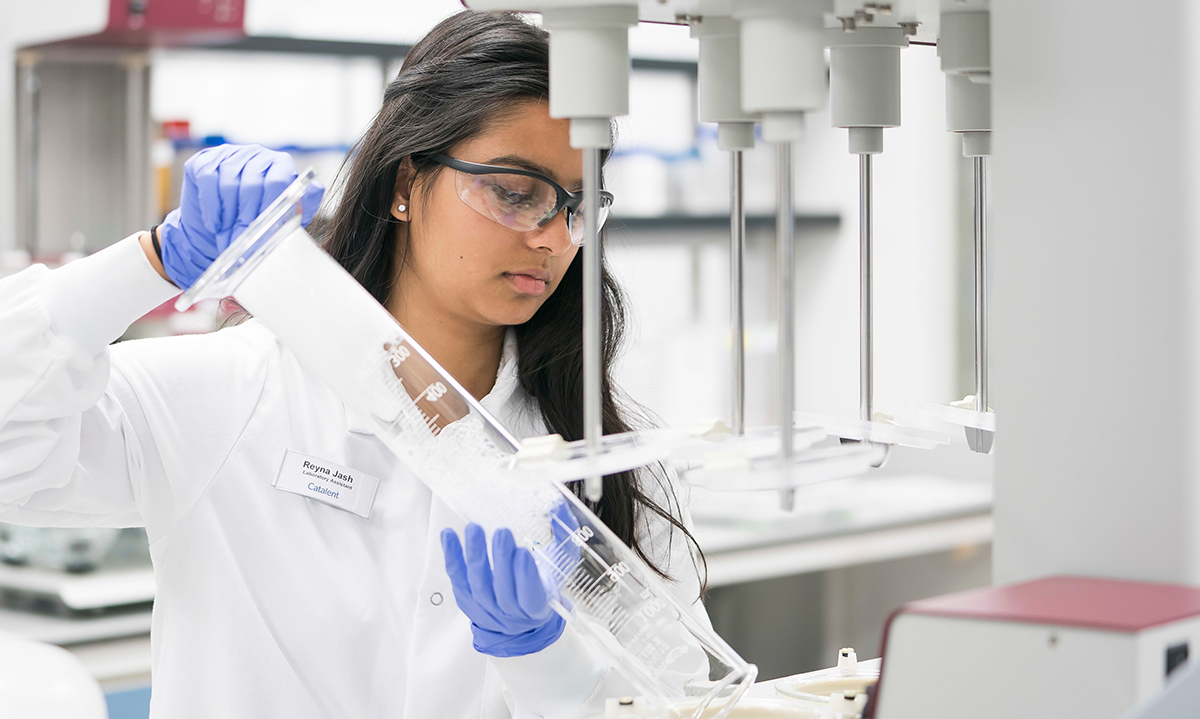
Fill-finish is the last stage of making an injectable medicine, when the drug is placed into its container and sealed. Novo Holdings said Catalent operates nearly 50 sites worldwide and that these three would go to Novo Nordisk, with Catalent keeping the rest [1]. Novo Holdings described Catalent as a leading partner to biopharma companies and said it has assisted in 50% of all FDA approvals over the past 10 years and helps partners launch more than 150 new products each year [1]. Catalent's own description in the same announcement says it supports the launch of more than 100 new products annually across more than 40 global sites [1].
The deal was first agreed in February 2024 [3]. Novo Holdings and Catalent said on Saturday, Dec. 14, that all regulatory conditions to close had been fulfilled [3]. The Federal Trade Commission did not challenge the deal, and European antitrust regulators cleared it earlier in December after finding sufficient competing alternatives in the market [3]. In October, several US consumer groups and two large labor unions had urged the FTC to block it [3]. Alessandro Maselli remains Catalent's president and chief executive [1].
The purchase weighed on Novo Nordisk's cash flow. Cash used for acquisitions of businesses was DKK 82.2 billion in 2024, and free cash flow for that year was negative DKK 14.7 billion, according to the company's five-year financial overview [2]. The same overview shows free cash flow of DKK 28.3 billion in 2025 [2].
Why it matters for patients
Wegovy (semaglutide) launched in the US in 2021 and has since launched in 15 other countries [3]. Demand for GLP-1 drugs has led to tight supply, and manufacturers including Eli Lilly, which makes the rival drug Zepbound, have been working to increase production [3]. Analysts estimate the obesity drug market could be worth as much as $150 billion globally per year in the next decade [3].
Owning the fill-finish plants gives Novo Nordisk direct control over a step that has been a bottleneck for injectable GLP-1 products, rather than relying on a contract manufacturer for that work. For patients, added filling capacity could eventually affect how reliably pharmacies and prescribers can obtain the drug, though the effect on any individual's access depends on decisions the company has not described publicly.
Several key details have not been reported. The sources do not say which Novo Nordisk products the three plants will make, how many additional doses or pens they can produce, what the sites cost individually, or when they will begin supplying Novo Nordisk's own medicines. The number of employees at the three sites was not disclosed in these sources. Whether Catalent's other customers will see any change in their supply arrangements was also not addressed.
What happens next
The main regulatory hurdles are behind the deal: European clearance came earlier in December, and the FTC did not challenge it [3]. Novo Nordisk has not disclosed a timeline for converting or expanding the three sites for its own production, and no start date for that work has been reported. Novo Holdings said Catalent will continue operating as a private company under its ownership, with Maselli as chief executive [1].
Images from the sources
Sources
Semaglutides.org provides information only, not medical advice. Talk to a licensed provider about your own care before making changes. Some telehealth links are affiliate links and are labeled where they appear.