FDA declares the tirzepatide shortage resolved for the second time
FDA reaffirmed on December 19, 2024 that the tirzepatide shortage is over and set deadlines — February 18 and March 19, 2025 — after which compounded copies of Mounjaro and Zepbound lose their legal footing.
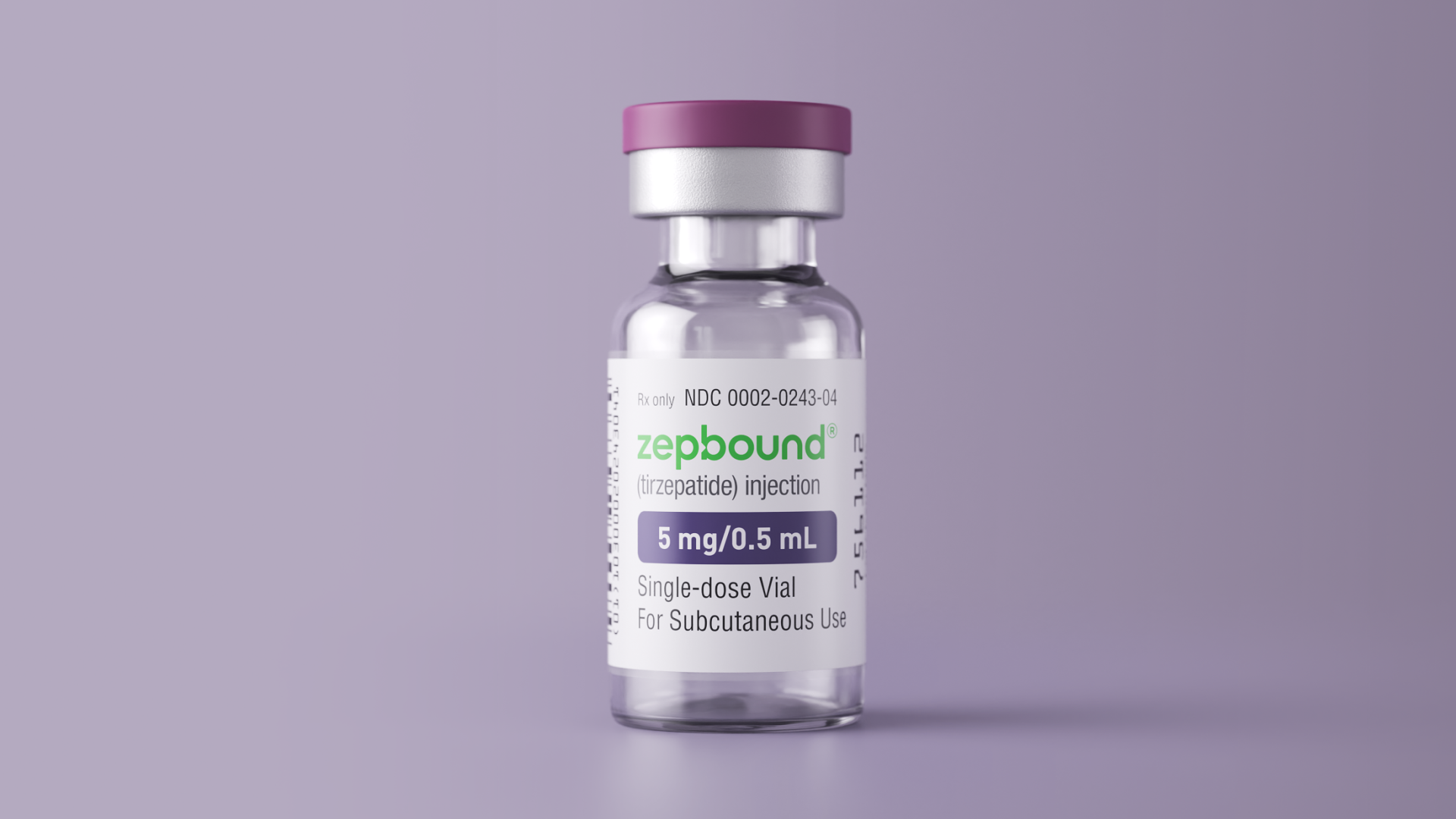
The FDA issued a declaratory order on December 19, 2024 confirming that the shortage of tirzepatide injection — sold by Eli Lilly as Mounjaro for type 2 diabetes and Zepbound for obesity — is resolved. The order revoked and replaced the agency's earlier October 2, 2024 decision on the same question, and it set specific dates after which the agency would no longer hold off on enforcement against compounders making copies [1].
Tirzepatide injection products were first added to FDA's drug shortage list on December 15, 2022 [1]. The agency declared the shortage over on October 2, 2024 [1]. Five days later, on October 7, the Outsourcing Facilities Association and North American Custom Laboratories (doing business as Farmakeio Custom Compounding) sued FDA in the U.S. District Court for the Northern District of Texas. On October 11, at FDA's own request, the court sent the decision back to the agency for reevaluation [1].
The December order is the result of that second look. FDA said Lilly gave it stock reports, 2024 supply and demand totals, projected future demand and wholesaler inventory data, and concluded that Lilly's "supply is currently meeting or exceeding demand," with finished-product reserves, semi-finished units and additional production scheduled [1]. "Our determination is based on our conclusions that supply meets or exceeds current demand, and that, based on our best judgment looking at the available information with its limitations, supply will also meet or exceed projected demand," wrote Patrizia Cavazzoni, M.D., then director of FDA's Center for Drug Evaluation and Research [4].
FDA acknowledged it heard from patients and pharmacists who still could not get the approved drugs, and that "significant compounding of tirzepatide injection products is occurring" [1]. It attributed those gaps to distribution dynamics between Lilly, wholesalers and retail pharmacies rather than a national shortage, and warned that "intermittent localized supply disruptions" could continue [1]. The compounding industry disagreed. Alliance for Pharmacy Compounding CEO Scott Brunner said he was not "persuaded" FDA had the data to know whether the "shortage is really over," and said pharmacies were still reporting that approved tirzepatide was not attainable from wholesalers in the quantities needed [4].
The two deadlines
FDA said it did not intend to act against compounders for violations tied to tirzepatide's shortage-list status for 60 calendar days for state-licensed pharmacists and physicians compounding under section 503A — until February 18, 2025 — and 90 calendar days for registered outsourcing facilities under section 503B, until March 19, 2025 [1][3]. Kaiser Family Foundation estimated about 2 million Americans were taking compounded versions of these drugs at the time [4].
As of December 19, 2024, semaglutide injection was still listed as in shortage, as were dulaglutide and liraglutide [3]. FDA declared the semaglutide shortage resolved on February 21, 2025, with parallel grace periods running to April 22 and May 22, 2025 [3].
Why it matters for patients
Under U.S. law, compounders can make copies of an approved drug mainly when that drug is on FDA's shortage list. Once tirzepatide came off the list, that legal basis began to close, and the grace periods set the clock. Fierce Pharma reported the practical effect: state-licensed pharmacies had to stop making these products by February 18, and 503B outsourcing facilities by March 19 [4].
For people who were using compounded tirzepatide, the change meant a transition back to Mounjaro or Zepbound, or to another option, on a timeline set by regulators rather than by their prescriber. FDA itself anticipated that "some number of patients currently receiving those products can be expected to seek Lilly's approved products at a future point when compounding is curtailed" [1]. It also conceded that some individuals might still hit pharmacy-level supply problems even with the national shortage resolved [1].
One detail worth knowing: not every tirzepatide presentation was ever in shortage. Zepbound single-dose vials, approved in March 2024, have never been on the shortage list, and only the 2.5 mg and 5 mg strengths were marketed at the time of the order [1].
What happened next
On March 5, 2025, the district court denied the plaintiffs' preliminary injunction motion in Outsourcing Facilities Association v. FDA, so the 503A enforcement window closed and the 503B window ran to March 19, 2025 as planned [3]. A similar semaglutide motion was denied April 24, 2025 [3].
As of an FDA update dated April 1, 2026, neither tirzepatide nor semaglutide appears on the 503B bulks list or the drug shortage list [3]. FDA also said it does not currently intend to act against a compounder making an essentially-a-copy product if it fills four or fewer prescriptions of that product in a calendar month [3]. Rules in this area have shifted repeatedly; current status is best checked against FDA's own postings.
Sources
- https://www.fda.gov/media/184606/download
- https://www.lilly.com/medicines/safety/counterfeit
- https://www.fda.gov/drugs/drug-alerts-and-statements/fda-clarifies-policies-compounders-national-glp-1-supply-begins-stabilize
- https://www.fiercepharma.com/pharma/fda-reaffirms-decision-erase-eli-lillys-tirzepatide-shortage-list
- https://www.statnews.com/2024/12/19/fda-confirms-tirzepatide-shortage-compounders/
Semaglutides.org is for information only and is not medical advice. Always talk to a licensed healthcare provider about your own care. Some links to telehealth services are affiliate links, labeled where they appear.