Lilly to spend another $3 billion expanding its Wisconsin injectable-drug plant
The money is meant to expand injectable-medicine production for drugs including Zepbound, though the plant is not expected to start production until the end of 2025.
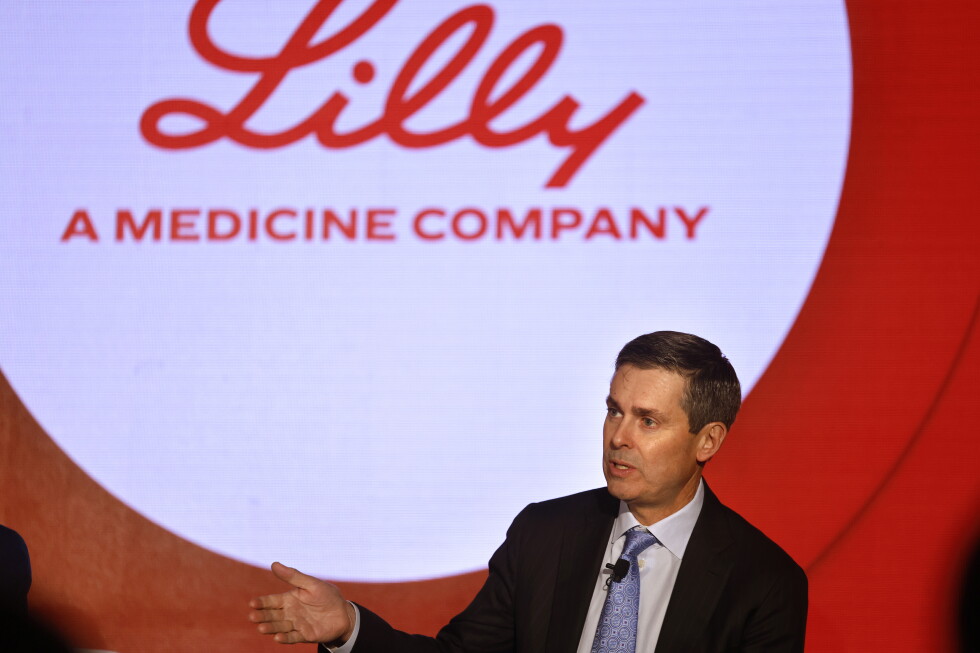
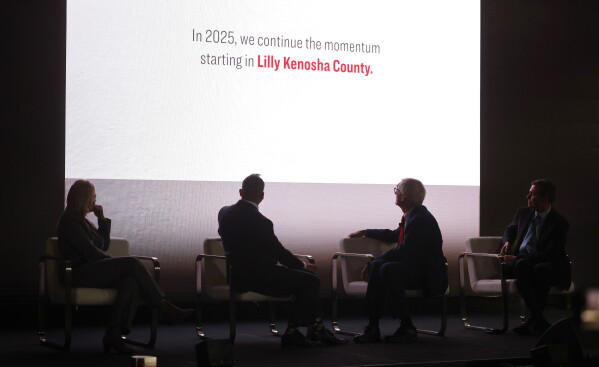
Eli Lilly said on Dec. 5, 2024, that it will spend another $3 billion to expand the injectable-medicine plant it bought in Wisconsin earlier this year, a move the company says will help it make more of its diabetes and obesity medicines, including the weight-loss drug Zepbound [1][2][3]. Lilly said the acquisition, the expansion, and additional purchases of land and an adjacent warehouse bring its total planned investment in Wisconsin to $4 billion [2][3].
The facility is in Pleasant Prairie, in Kenosha County, Wisconsin, and Lilly acquired it from Nexus Pharmaceuticals [2][3].
The company said the expansion will add 750 jobs to a site that currently has more than 100 workers, with roles including operators, technicians, engineers and scientists [2][3]. Lilly also said the construction project is expected to support more than 2,000 construction jobs [3].
"Today's announcement represents our single largest U.S. manufacturing investment outside our home state of Indiana and will add to our ability to expand capacity to make both our existing and future pipeline of medicines right here in the Midwest," said Edgardo Hernandez, Lilly's president of manufacturing operations [3].
Lilly said it plans to start construction on the expansion in 2025 [2][3]. The company has previously said it expects production at the facility to begin at the end of 2025 [2].
The expanded site will focus on injectable medicines, device assembly and packaging for products across multiple therapeutic areas, according to the company [3]. Reuters reported that the new investment will help boost production of Zepbound as well as Lilly's diabetes treatments and other medicines [2].
Supply pressure behind the spending
Zepbound and Lilly's diabetes drug Mounjaro, both known chemically as tirzepatide, were in shortage in the U.S. for much of 2024 [2]. The U.S. Food and Drug Administration removed tirzepatide from its shortage list earlier this year but is reconsidering that decision after a lawsuit from an industry group representing compounding pharmacies that make and sell versions of the drug not approved by the FDA [2]. The sources do not say when the FDA will decide.
Zepbound was introduced in the U.S. in late 2023, and more than 5.2 million prescriptions have been written for the drug since then, according to IQVIA data shared by an analyst [2].
Lilly, which Reuters describes as the world's most valuable healthcare company, worth over $790 billion, said it has committed more than $23 billion since 2020 to build, expand and buy manufacturing sites [2][3]. Rival Novo Nordisk, which makes Wegovy, has also invested billions in manufacturing and announced it would take over three sites from contract manufacturer Catalent for $11 billion earlier this year [2].
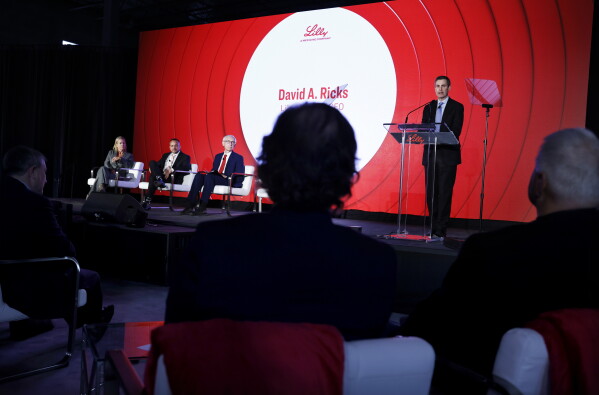
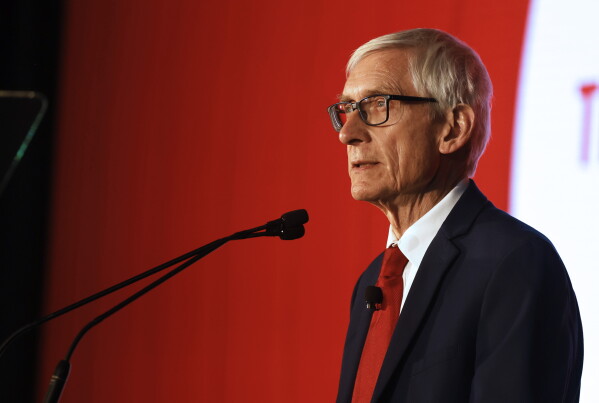
Wisconsin Gov. Tony Evers welcomed the project, saying the state "is a national leader in personalized medicine and biohealth" and that the expansion would add "750 highly skilled, family-supporting jobs to Kenosha County" [3].
Why it matters for patients
This announcement adds manufacturing capacity on paper, but it does not add supply in the near term. Lilly has said production at the site is expected to begin at the end of 2025, and construction on the expansion starts the same year [2][3]. Anyone filling a tirzepatide prescription today is relying on capacity that already exists.
Where the drug is made matters to patients mainly when supply runs short. Zepbound and Mounjaro spent much of 2024 on the FDA's shortage list, and the agency is now re-examining whether to put tirzepatide back on that list after a challenge from compounding pharmacies [2]. That decision affects whether compounded, non-FDA-approved versions can continue to be sold under current rules. No outcome has been reported.
It also is not known whether this expansion will change what patients pay. Neither the company announcement nor the news reports say anything about list prices, insurance coverage or copays for Zepbound, Mounjaro or other Lilly medicines [1][2][3]. Whether the added capacity speeds up availability for any specific dose or presentation has not been disclosed.
What happens next
Construction on the expansion is scheduled to start in 2025 [2][3]. Lilly has said it expects production at the Wisconsin facility to begin at the end of 2025 [2]. The FDA's reconsideration of tirzepatide's shortage status is pending, with no date reported [2].
Images from the sources
Sources
- https://apnews.com/article/useli-lilly-zepbound-mounjaro-fc831186f318ceb126a9425bed5fda60
- https://www.reuters.com/business/healthcare-pharmaceuticals/lilly-invests-3-billion-expand-wisconsin-plant-obesity-drug-demand-soars-2024-12-05/
- https://www.prnewswire.com/news-releases/lilly-announces-3-billion-expansion-of-its-recently-acquired-manufacturing-facility-in-wisconsin-302324087.html
Semaglutides.org provides information only, not medical advice. Talk to a licensed provider about your own care before making changes. Some telehealth links are affiliate links and are labeled where they appear.