FDA approves the reformulated R2 oral semaglutide tablets
FDA approved a second oral semaglutide formulation of Rybelsus in 1.5, 4 and 9 mg tablets, with new switching instructions and two added side effects in the label.
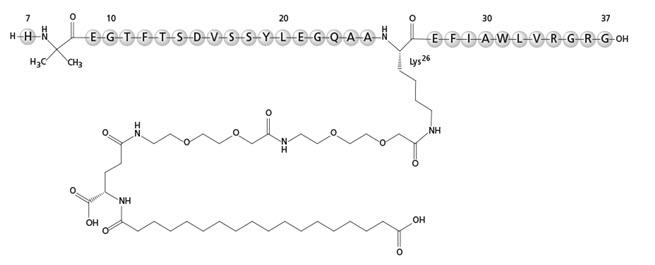
On December 9, 2024, the FDA approved two supplemental new drug applications for Rybelsus (semaglutide) tablets, clearing a second oral formulation known as R2 in 1.5 mg, 4 mg and 9 mg strengths [1][3]. The original Rybelsus formulation, called R1, comes in 3 mg, 7 mg and 14 mg tablets [3].
The approval letter, signed by Patrick Archdeacon, M.D., Deputy Director of the FDA's Division of Diabetes, Lipid Disorders, and Obesity, covers applications Novo Nordisk submitted on February 9 and June 6, 2024 [1]. Supplement S-020 added the R2 formulation, a new recommended dosage for it, and recommendations for switching between the R1 and R2 formulations [1]. It also added a new drug product manufacturing site — Novo Nordisk Pharmaceutical Industries in Durham, North Carolina (FEI 3016799712) — along with a change in the manufacturing process [1].
What changed in the label
During the review, the FDA made several labeling changes beyond the new tablets. A "Severe Gastrointestinal Adverse Reactions" warning was added to Section 5 of the prescribing information to align Rybelsus with labeling for other GLP-1 receptor agonists [1]. The agency also made editorial revisions to the Acute Pancreatitis subsection (5.2) for clarity [1]. Two new terms — dysesthesia, meaning an abnormal and often unpleasant sensation such as burning or tingling, and alopecia, meaning hair loss — were added to subsection 6.1, Clinical Trials Experience [1]. The Medication Guide given to patients was revised to match [1]. The approval letter does not state how often these reactions occurred in trials, so those rates are not known from this document.
The second supplement, S-021, revised the Lactation subsection (8.2) with results from trial NN9924-4669, which measured semaglutide and SNAC concentrations in breast milk after multiple doses of oral semaglutide in healthy, lactating women [1]. That study fulfilled a postmarketing requirement the FDA set when it first approved Rybelsus on September 20, 2019 [1].
Doses are not interchangeable milligram for milligram
The two oral formulations use different numbers for similar steps. Under current labeling, the R1 product starts at 3 mg once daily for 30 days — a dose the label says is not effective for glycemic control — then moves to 7 mg for days 31 to 60, then stays at 7 mg or goes to 14 mg [5]. The R2 product starts at 1.5 mg for 30 days, moves to 4 mg for days 31 to 60, then stays at 4 mg or goes to 9 mg [5]. The label states plainly that the two tablet products "are not substitutable on a mg-to-mg basis" and directs prescribers to specific sections for switching instructions [5].
Taking instructions are unchanged: once daily in the morning on an empty stomach with no more than 4 ounces of water, swallowed whole without splitting, crushing or chewing, and at least 30 minutes before food, other drinks or other oral medicines [5].
Why it matters for patients
For someone filling an oral semaglutide prescription, the milligram number on the bottle no longer tells the whole story. A 4 mg R2 tablet is not the same as a 7 mg R1 tablet even though both sit at a similar point in the escalation schedule, and the label warns against mg-to-mg swapping [5]. That makes the exact product name and strength on the prescription and the pharmacy label meaningful when refilling or switching pharmacies.
The added label terms also matter for people tracking their own symptoms. Hair loss and unusual skin sensations now appear in the clinical trials section of the prescribing information, which means they were reported in studies rather than only in post-marketing reports [1]. Questions about frequency and reversibility are not answered in these documents.
What happens next
The FDA waived pediatric studies in children ages 0 through 9 because too few have type 2 diabetes to study, and deferred the study in ages 10 through 17 [1]. That 52-week placebo-controlled trial has a study completion date of December 2026 and a final report due June 2027 [1].
Since this approval, the FDA added a cardiovascular risk-reduction indication for Rybelsus on October 17, 2025, and on January 30, 2026 approved a labeling change renaming the R2 product from Rybelsus to Ozempic (semaglutide) tablets [2][3].
Sources
- https://www.accessdata.fda.gov/drugsatfda_docs/appletter/2024/213051Orig1s020,213051Orig1s021ltr.pdf
- https://www.drugs.com/history/ozempic.html
- https://drugs.com/history/rybelsus.html
- https://www.drugs.com/history/rybelsus.html
- https://dailymed.nlm.nih.gov/dailymed/drugInfo.cfm?setid=27f15fac-7d98-4114-a2ec-92494a91da98
Semaglutides.org is for information only and is not medical advice. Always talk to a licensed healthcare provider about your own care. Some links to telehealth services are affiliate links, labeled where they appear.