Eli Lilly sues four telehealth platforms over compounded tirzepatide
Eli Lilly sued Mochi Health, Fella Health and Delilah, Willow Health and Henry Meds on April 23, claiming their compounded tirzepatide products, including oral versions and shots with added ingredients, were never tested in clinical trials. [1][3][4]
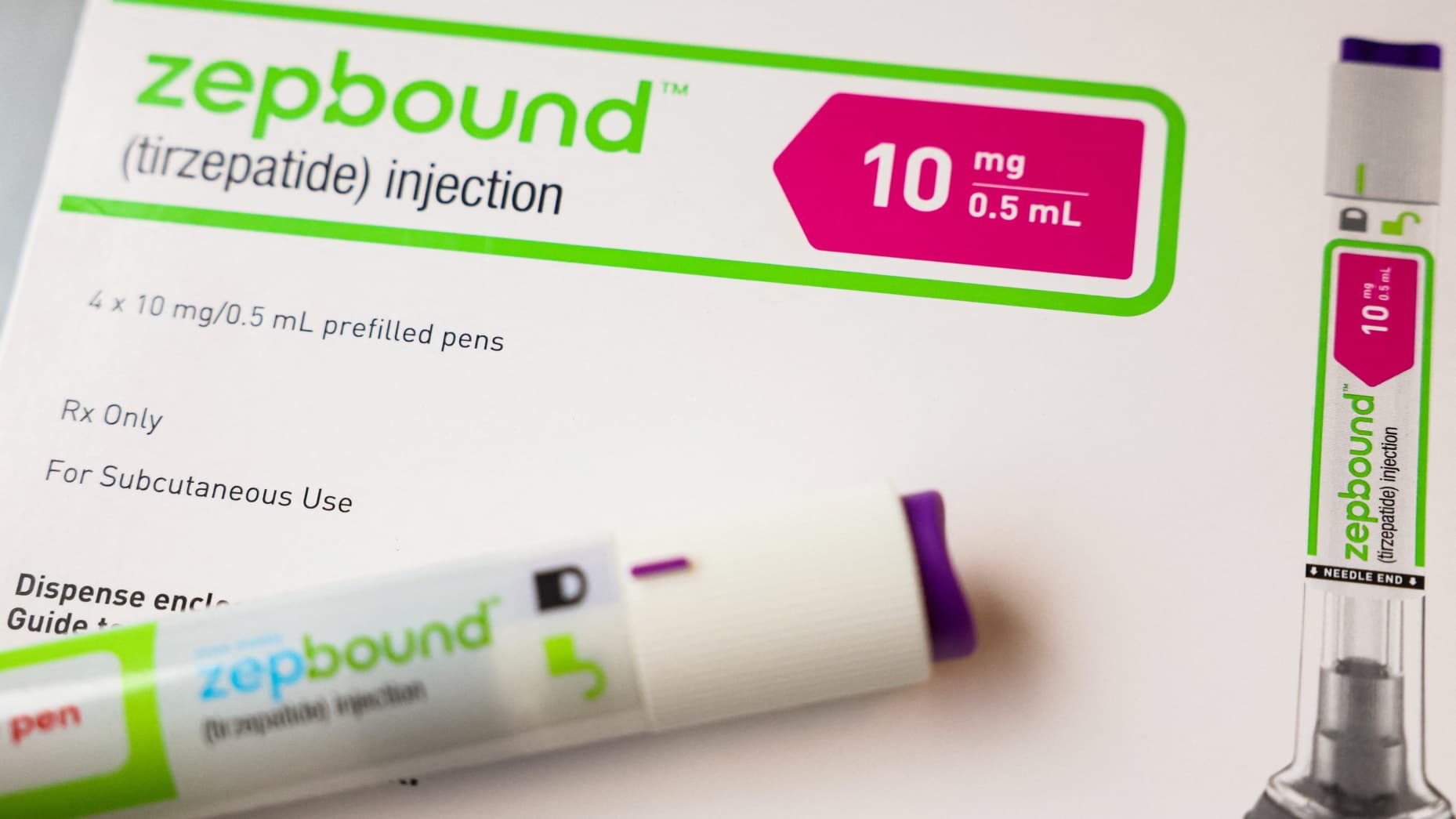
Eli Lilly filed lawsuits on Wednesday, April 23, against four telehealth companies that sell compounded versions of tirzepatide, the active ingredient in its diabetes drug Mounjaro and its weight-loss drug Zepbound [1][3]. The suits target Mochi Health, Fella Health and its women's brand Delilah, Willow Health Services and Henry Meds, and accuse them of deceiving consumers about "untested, unapproved drugs" and steering patients away from Lilly's FDA-approved medicines [1][3][4].
The cases against Mochi, Fella and Delilah, and Henry Meds were filed in the U.S. District Court for the Northern District of California, San Francisco Division; the case against Willow Health Services was filed in the Central District of California [4]. In all four, Lilly is asking the courts to stop the companies from marketing or selling tirzepatide [1]. CNBC noted the cases could take months or longer to move through the courts [1].
What Lilly alleges about the products
The most safety-specific claims involve how the drugs are formulated and delivered. Lilly says Henry Meds sells what it calls an oral version of tirzepatide, and argued in its complaint that the oral version "is an untested knockoff that exposes patients to safety risks" because no clinical study has found tirzepatide taken by mouth to be safe and effective [3]. "Lilly's tirzepatide medicines are only tested and approved for under-the-skin injections— not for administration in any oral form," the company wrote [3].
In the Fella Health and Delilah complaint, Lilly states that its medicines "have undergone 37 clinical trials," that Mounjaro and Zepbound are "the only FDA-approved tirzepatide medicines," and that they are approved "only for under-the-skin injection and without additives like glycine or l-arginine" [4]. Lilly further alleges Fella "unfairly and deceptively markets and sells its oral and injectable tirzepatide as drugs that are safe, effective and backed by science when none of that is true," citing Lilly's own trial results even though those trials "did not evaluate oral tirzepatide or tirzepatide combined with glycine or l-arginine and Lilly is not aware of any clinical trials that have" [4].
Lilly also raised a newer legal argument: that Mochi and Fella are engaging in the corporate practice of medicine [3]. The complaints say neither company is physician-owned and that each exerts control over affiliated medical groups [3]. Lilly claimed Mochi CEO Myra Ahmad is not a licensed physician and that Mochi and its "unlicensed owners exercise undue influence and control over, among other things, the prescribing decisions of physicians" [1][3]. Ahmad said she holds a doctor of medicine degree but is not practicing as CEO [1]. Against Fella, Lilly alleged the company made "sweeping corporate decisions that dictate patient care, such as when Fella changed patients en masse from one tirzepatide formulation to another with additives" [1][3]. Lilly also says Mochi switched patients to lower doses "that have never been studied" [3].
Mochi Health disputed the claims. A spokesperson said compounded medications are "appropriate and legal when tailored to individual patient needs and prescribed by a licensed medical provider, not as mass-market substitutes for branded medications," and that Mochi's care model "remains compliant with FDA guidance and pharmacy regulations" [1][4]. Fella, Willow and Henry Meds did not immediately respond to CNBC's requests for comment [1].
Why it matters for patients
Compounded tirzepatide grew into a large online business after Mounjaro went into short supply in late 2022, when shortage rules allowed pharmacies and outsourcing facilities to make copies [1]. Many people used these products because they could not find or afford the brand-name drugs [1]. The FDA has since declared the tirzepatide shortage over, and mass compounding was supposed to stop last month [1].
Some sellers kept going by offering versions that differ slightly from the brand — different doses, added ingredients, or oral forms — arguing those are personalized and prescribed to meet a clinical need [1][3]. That is the practice Lilly is challenging. The FDA says compounded drugs are not FDA approved, meaning the agency "does not verify their safety, effectiveness or quality" before they are marketed, and that while compounded drugs can serve an important medical need, "they also may pose a risk to patients" [4].
For people currently using one of these platforms, the immediate practical issue is uncertainty: the suits seek to halt sales, and access could change depending on court rulings or company decisions [1]. The sources do not say whether any patient harm has been reported from these specific formulations, and no court has ruled on Lilly's allegations.
What happens next
The four complaints were filed April 23, 2025 [3][4]. Earlier in April, Lilly sued two compounding pharmacies over similar claims and, according to Reuters, took legal action against more than two dozen medical spas, wellness centers and compounding pharmacies [1][4]. Resolution timelines for the telehealth cases are not yet known [1].
Images from the sources

Sources
- https://www.cnbc.com/2025/04/23/eli-lilly-sues-compounded-mounjaro-zepbound-providers-.html
- https://endpoints.news/eli-lilly-sues-four-telehealth-companies-selling-compounded-tirzepatide/
- https://thehill.com/policy/healthcare/5263827-eli-lilly-lawsuits-telemedicine/
- https://www.mobihealthnews.com/news/eli-lilly-sues-four-telehealth-companies-selling-copycat-drugs
Semaglutides.org is for information only and is not medical advice. Always talk to a licensed healthcare provider about your own care. Some links to telehealth services are affiliate links, labeled where they appear.