Obesity Medicine Association and ACOFP publish a primary care roadmap
A joint report from two primary care physician groups spells out why family doctors often can't offer obesity treatment, from short visit times to weak insurance reimbursement.
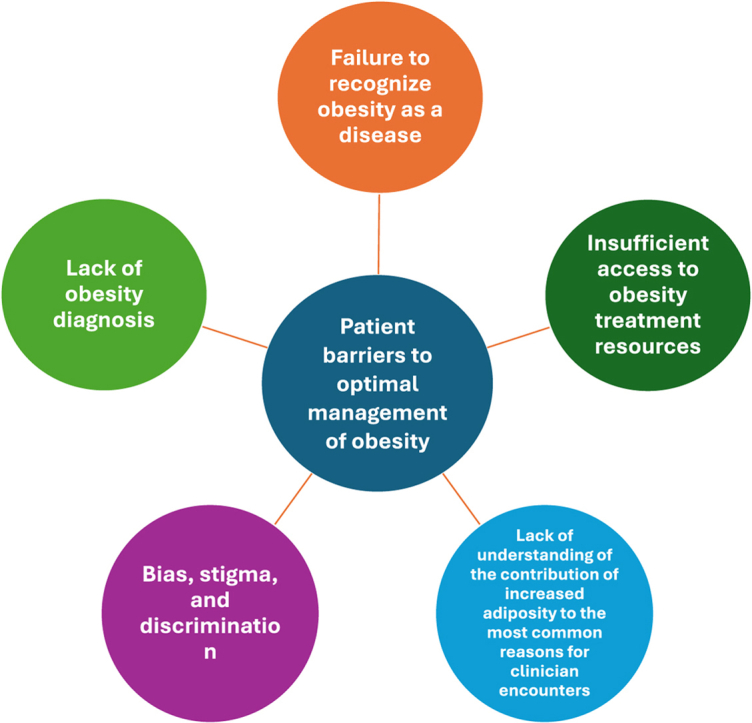
A clinical perspective published in the journal Obesity Pillars in March 2025 lays out a roadmap for family physicians to diagnose and treat obesity, built around four pillars: nutrition therapy, physical activity, behavior modification, and medical intervention, which includes anti-obesity medications and bariatric surgery [1]. The report comes from the Obesity Medicine Association (OMA), which says it represents more than 5,000 clinicians who treat obesity, and the American College of Osteopathic Family Physicians (ACOFP), which represents more than 26,000 osteopathic family physicians, residents, students, and allied health professionals [1].
The authors define obesity as a "serious, chronic, progressive, relapsing, and treatable" disease that causes adipose tissue dysfunction and leads to metabolic, biomechanical, and psychosocial harm [1]. They tie obesity to some of the most common conditions primary care doctors see, including type 2 diabetes, hypertension, high cholesterol, cardiovascular disease, blood clotting problems, and cancer [1].
The report identifies several barriers that keep primary care practices from offering obesity treatment, including failure to recognize obesity as a disease, lack of accurate diagnosis, insufficient access to treatment resources, inadequate clinician training, insufficient visit time, lack of adequate insurance reimbursement, and the effects of weight bias, stigma, and discrimination [1]. It also flags the administrative burden that comes with prescribing anti-obesity medications, including the staff time needed to handle prior authorization paperwork [1].
Why it matters for patients
For patients, this report helps explain a common frustration: many people bring up weight or ask about GLP-1 medications during a regular checkup and leave without a treatment plan. The authors argue that family doctors are often the first point of contact in the health system, which gives them a chance to catch and treat obesity early [1]. But the same report acknowledges that short visit times, weak reimbursement, and clinicians' own training gaps and biases can get in the way of that opportunity [1].
The prior authorization issue matters directly to anyone trying to get insurance to cover semaglutide (Ozempic, Wegovy, Rybelsus) or tirzepatide (Mounjaro, Zepbound). The report notes that handling this paperwork requires trained staff, which many primary care offices may not have readily available [1]. That can translate into delays or denials for patients seeking coverage, separate from any decision a doctor makes about whether a medication is appropriate.
The report also reframes obesity itself. By listing it alongside other diseases with recognized signs, causes, and treatments — including genetic factors, inflammation, medication side effects, and environmental influences — the authors push back against the idea that obesity results simply from a lack of willpower [1]. This framing is meant to support the case for medical treatment, including medication, as a legitimate first-line option rather than a last resort after diet and exercise alone.
The practical tools the report offers are aimed at clinicians, not patients directly. They cover how to have conversations about the four pillars, how to think about long-term follow-up after starting a medication or after bariatric surgery, and how to weigh the risks and benefits of anti-obesity medications [1]. The source material does not include specific dosing or drug-selection guidance for patients, and it does not specify how quickly any of the identified barriers, such as reimbursement policy or staff training, might change.
What happens next
The sources reviewed do not describe a follow-up timeline, funding for training programs, or policy actions tied to this report. It is not yet known whether insurers, medical boards, or residency programs will adopt specific recommendations from the OMA-ACOFP perspective, or on what schedule any such changes might occur.
Sources
Semaglutides.org is for information only and is not medical advice. Always talk to a licensed healthcare provider about your own care. Some links to telehealth services are affiliate links, labeled where they appear.