District court grants summary judgment for FDA in the tirzepatide case
A federal judge in Texas upheld FDA's decision that the tirzepatide shortage is over, closing the legal door on compounded copies of Mounjaro and Zepbound.
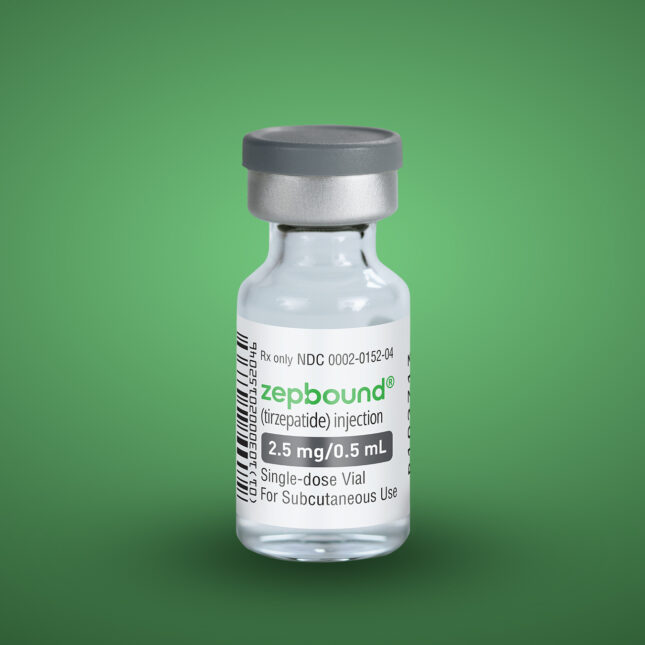
On May 7, 2025, the U.S. District Court for the Northern District of Texas ruled in favor of the FDA in Outsourcing Facilities Association v. FDA, upholding the agency's decision to take tirzepatide injection products off its drug shortage list [4]. Tirzepatide is the active ingredient in Eli Lilly's Mounjaro, for type 2 diabetes, and Zepbound, for obesity and related conditions [1]. The ruling means compounding pharmacies and outsourcing facilities generally can no longer rely on the shortage exception to make copies of those drugs [4].
How the case got here
FDA approved Mounjaro in May 2022 and Zepbound in November 2023, and added them to its shortage list in December 2022 and April 2024 [1]. While a drug is listed as in shortage, federal restrictions on compounding "essentially copies" of approved drugs are temporarily lifted, which is what allowed compounded tirzepatide to flood the market [1].
FDA first announced the shortage was resolved on October 2, 2024 [1][2]. After the Outsourcing Facilities Association sued, the agency asked for a voluntary remand to take another look, then reaffirmed on December 19, 2024 that the shortage was over, saying Lilly's supply would "meet or exceed projected demand" [1][2]. To ease the transition, FDA said it would not act against state-licensed pharmacies compounding under section 503A after February 18, 2025, or against outsourcing facilities under section 503B after March 19, 2025 [2][4].
The compounders argued FDA should have used formal notice-and-comment rulemaking and that its shortage call was arbitrary and capricious [1][5]. The district court rejected both arguments at the preliminary injunction stage in March 2025, then rejected them again on summary judgment based on the full administrative record [1]. (One law firm summary describes the May 7 decision as upholding the denial of the preliminary injunction; the appellate opinion describes it as a grant of summary judgment for FDA and Lilly [1][4].)
The underlying supply numbers mattered. While the drugs were listed as short, Lilly spent roughly $23 billion expanding manufacturing in the United States and Europe and won approval to sell single-dose vials in addition to pens [1]. Court documents cite an 11.6 million-dose surplus by November 2024, which the agency weighed against less reliable evidence such as wholesaler screenshots and patient surveys [5]. Lilly holds exclusivity on tirzepatide through 2027, meaning no other manufacturer can win approval for a tirzepatide product before then [1].
Why it matters for patients
Many people had been buying compounded tirzepatide because it cost substantially less than the brand versions [3]. With the shortage exception gone, that route narrowed sharply. STAT reported the decision means patients "will no longer have access to cheaper versions from compounding pharmacies" [3], and a law firm analysis said compounders lost the general protection from FDA enforcement they had during the discretionary periods [4].
Compounded drugs are not FDA-approved, and the agency does not review them for safety, effectiveness or quality before they reach patients [1]. That is a core reason the law limits compounded copies when an approved product is available.
The same pattern played out for semaglutide, the ingredient in Ozempic, Wegovy and Rybelsus. FDA declared that shortage resolved on February 21, 2025, with enforcement deadlines of April 22, 2025 for 503A pharmacies and May 22, 2025 for 503B outsourcing facilities [2]. A separate lawsuit over semaglutide was filed in February 2025, and the district court denied a preliminary injunction there on April 24, 2025 [2][5].
What the sources do not address is pricing, insurance coverage, or what individual patients on compounded products did next. Those questions are not answered here.
What happens next
The compounders appealed. On August 27, 2026, a panel of the Fifth Circuit affirmed the district court in an unpublished opinion, assuming without deciding that FDA may have erred on procedure but finding the compounders had not shown prejudice, and holding the shortage determination was not arbitrary or capricious [1]. The panel noted the reevaluation period ran nearly 60 days, double the standard Administrative Procedure Act comment window [5]. A parallel semaglutide appeal was pending before the same panel, with a separate opinion to be issued [1][5].
Separately, in an April 1, 2026 update, FDA restated that tirzepatide and semaglutide do not appear on its shortage list or the 503B bulks list, and said it does not currently intend to act against a compounder filling four or fewer prescriptions of an essentially-copy product in a calendar month [2].
Sources
- https://www.ca5.uscourts.gov/opinions/unpub/25/25-10600.0.pdf
- https://www.fda.gov/drugs/drug-alerts-and-statements/fda-clarifies-policies-compounders-national-glp-1-supply-begins-stabilize
- https://www.statnews.com/pharmalot/2025/05/07/novo-lilly-wegovy-ozempic-zepbound-mounjaro-compounding-pharmacy-fda-shortage/
- https://www.mcdermottlaw.com/insights/court-backs-fda-in-tirzepatide-compounding-case/
- https://www.beckershospitalreview.com/pharmacy/court-sides-with-fda-in-tirzepatide-shortage-fight-5-notes/
Semaglutides.org is for information only and is not medical advice. Always talk to a licensed healthcare provider about your own care. Some links to telehealth services are affiliate links, labeled where they appear.