NHS England lets family doctors prescribe Mounjaro to about 220,000 patients
The rollout covers only England's NHS and does not change US prescriptions, but it explains why British coverage calls tirzepatide "Mounjaro" for weight loss.
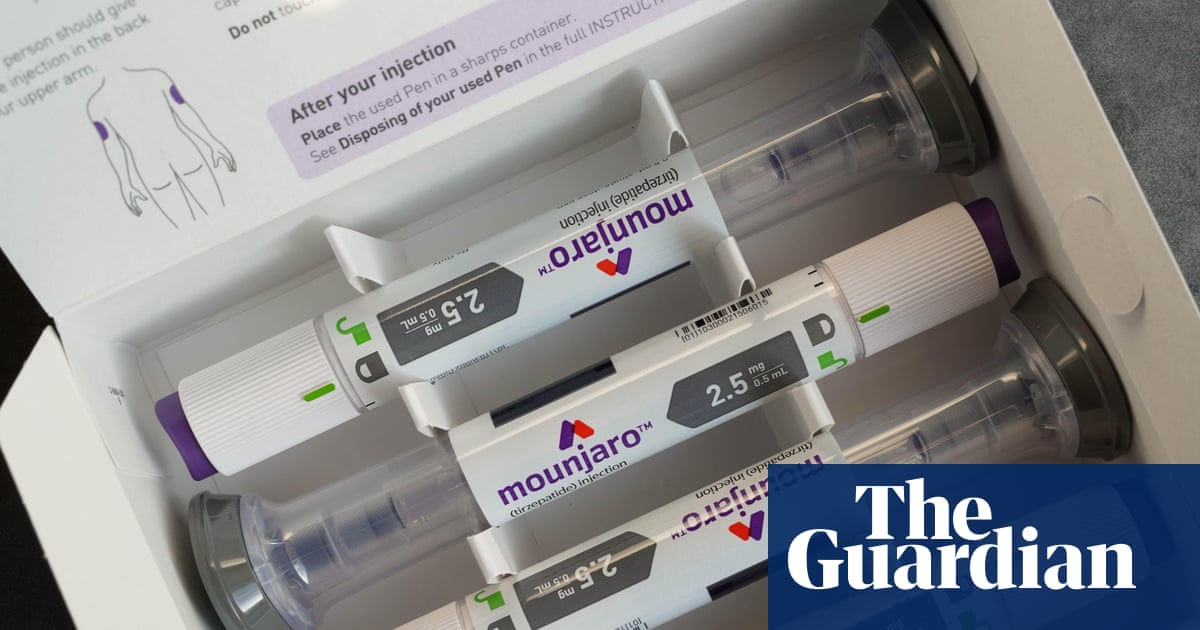
Family doctors in England can prescribe Mounjaro, the brand name for tirzepatide, to patients with severe obesity starting Monday, June 23, 2025, under an NHS rollout expected to reach about 220,000 people over three years [1].
The change marks the first time GPs in England are allowed to prescribe the drug; until now, patients had to get it through a special weight-loss service [1]. In the first year, the NHS will offer it to people with a body mass index above 40 who also have at least four other health problems linked to obesity, including type 2 diabetes, high blood pressure, heart disease and obstructive sleep apnoea [1]. The rollout is aimed at people with the "greatest need" [1].
Tirzepatide, made by Eli Lilly, lowers blood sugar levels and slows how quickly food is digested [1]. Estimates cited in the coverage suggest about 1.5 million people in the UK already take weight-loss drugs, obtained either through specialist weight-loss services or private prescriptions [1].
British coverage of the rollout uses the brand name Mounjaro for weight loss and describes the drug as "also known as tirzepatide" [1]. Tirzepatide is the molecule's name. In the United States the same molecule is sold as Mounjaro and as Zepbound, so American readers who know the weight-management brand may not immediately recognize a UK headline about Mounjaro.
GP leaders said some family doctors are worried about the extra work. Prof Kamila Hawthorne, chair of the Royal College of GPs, said: "While we recognise the potential benefits of weight-loss drugs, we know many GPs are concerned about the implications of the rollout of weight-loss drugs into general practice, both in terms of workload and training to appropriately initiate and manage these treatments" [1]. She added that the medications "mustn't be seen as a 'silver bullet' to aid weight loss" [1].
Olivier Picard, chair of the National Pharmacy Association, said demand for weight-loss jabs continues to rise sharply. "As the NHS is now moving to implement National Institute for Health and Care Excellence guidance, and tirzepatide becomes prescribable to more patients, we expect to see prescription volumes increase rapidly," he said. "However, NHS provision won't meet demand straight away, so we fully expect that many people will continue seeking it privately from a pharmacy" [1].
Why it matters for patients
This is a change to how one country's public health system pays for and delivers tirzepatide. It does not change US approvals, insurance coverage or pharmacy access, and whether the NHS program affects the supply or price of tirzepatide in the United States has not been reported.
The first year's criteria are narrow: a BMI above 40 plus four or more related conditions [1]. That means many people in England who want the drug will not qualify through their GP yet, and the pharmacy group expects many to keep buying it privately [1].
For readers confused by British headlines, the drug being rolled out is tirzepatide, the same molecule sold in the US as Zepbound for weight management and as Mounjaro for type 2 diabetes. UK articles about this program call it Mounjaro because that is the brand name used there [1].
The workload and training concerns raised by GP leaders [1] are about how appointments and follow-up will work in ordinary family practices, not about whether the drug is effective. How the NHS will manage those pressures has not been reported.
What happens next
The program is planned to run for three years, with about 220,000 patients expected to receive Mounjaro over that period [1]. How many will be treated in the first year has not been disclosed [1].
The criteria for later years of the rollout have not been reported; the BMI 40-plus and four-condition rule described so far applies to the first year [1].
Pharmacy experts said there could be pressure on supplies of the drug as prescribing expands [1]. Whether shortages materialize has not been reported.
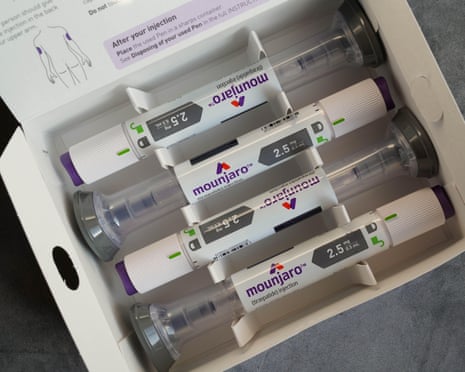
Images from the sources
Sources
Semaglutides.org provides information only, not medical advice. Talk to a licensed provider about your own care before making changes. Some telehealth links are affiliate links and are labeled where they appear.