Lizzo says she tried Ozempic and other GLP-1 drugs before choosing diet changes
Lizzo says she tried Ozempic and other GLP-1 drugs but stopped early, adding a well-known voice to the public debate over how these medications are described.
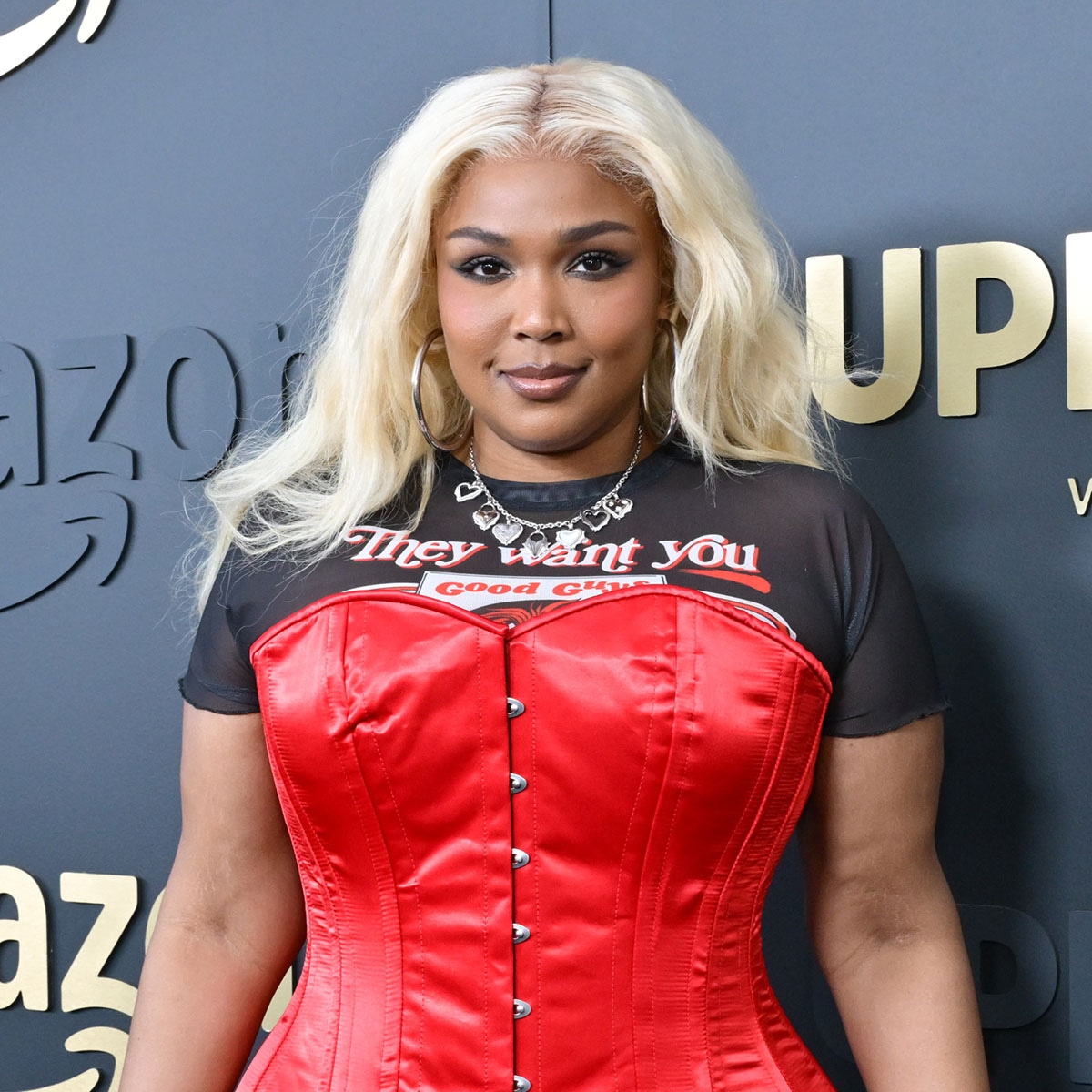
Lizzo said she tried Ozempic and other GLP-1 medications before deciding they were not the most effective way for her to reach her weight loss goals, and that a change in what she ate is what produced results [2]. The singer, 37, made the remarks on the June 19 episode of the Just Trish podcast, hosted by Trisha Paytas [2].
She said she dropped the drugs early on in her effort [2]. Ozempic is a brand of semaglutide, the same molecule sold as Wegovy and Rybelsus, and drugs in this class are primarily used to manage type 2 diabetes and obesity [2].
Lizzo described the medication's effect as she understands it. "Ozempic works because you eat less food, yeah? So if you eat right, it makes you feel full. But if you can just do that on your own and get mind over matter, it's the same thing" [2]. That is her account of her own experience. It is not a finding from a study, and it does not describe how the drugs affect appetite signals, blood sugar or weight over time.
She credited a food change instead. "What did it for me is, it was not being vegan," she said [2]. While vegan, she said, she ate a lot of fake meats, bread and rice and needed large portions to stay full [2]. Once she added beef, chicken and fish, she said, she felt full rather than stretching her stomach with foods that were not filling her [2].
Lizzo also defended people who stay on the drugs. "It's not easy," she said. "It's a drug to help somebody with something they're struggling with" [2]. Calling that cheating, she added, is "their way of being fat phobic" [2].
Several details did not come up. The interview did not say which GLP-1 medications she tried beyond Ozempic, how long she used them, what dose she took, or whether a clinician supervised her [2]. It also did not cover whether she had discussed the drugs publicly before, or whether she would consider one again [2].
Other celebrities have described similar stops and starts. Model Brooks Nader said in December 2024 that she took Ozempic briefly when it first became popular, that it made her "really nauseous," and that she "put the shot away" while competing on Dancing With the Stars [2]. Kendra Wilkinson wrote on Instagram in April 2025 that she stopped after a single shot, adding, "Only did one. Nevermind. Throwing away!!" [2] Nikki Glaser said on The Tonight Show in March 2025 that she wants people "to feel more comfortable talking about doing it, because I feel like there's this shame" [2]. Oprah Winfrey said in December 2023 that she was taking a weight loss medication [2].
Why it matters for patients
Accounts from famous people reach many adults who are deciding whether to start or stay on a GLP-1, often before those adults talk with a clinician. A celebrity stopping the drug is not the same as the drug failing. In this case the interview describes one person's preference for a different approach, not a treatment outcome [2].
Reports like this one rarely include the details that would answer clinical questions, such as dose, length of use, lab work or whether a prescriber was involved. Nader's stated reason for stopping was nausea, a commonly reported side effect [2]. Without those details, a public account of quitting cannot show whether the medication was working as prescribed for that person.
The word "cheating" recurs around these drugs. Lizzo rejects it, and Glaser has said the shame around the medication comes from outside the person taking it [2]. Several celebrities have said that shame is a reason people stay quiet about their prescriptions [2].
What happens next
No follow-up interview or statement from Lizzo on the topic has been announced [2]. Whether she would try a GLP-1 medication again has not been reported [2]. She has continued to post about her weight loss publicly, a record she has kept up since 2023 [2].
Sources
Semaglutides.org provides information only, not medical advice. Talk to a licensed provider about your own care before making changes. Some telehealth links are affiliate links and are labeled where they appear.