UK regulator issues its first contraception alert covering Mounjaro
The UK's medicines regulator issued its first public alert linking weight-loss drugs like Mounjaro to reduced birth control effectiveness after 40 reports of pregnancies among users, a signal worth watching for US patients on the same drugs.
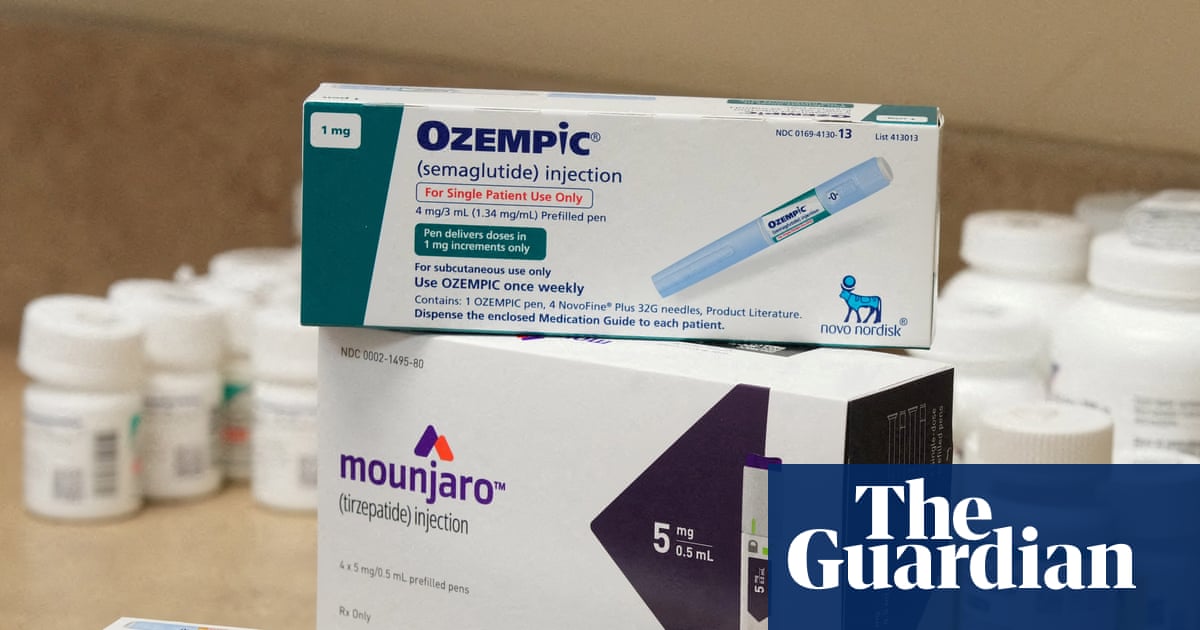
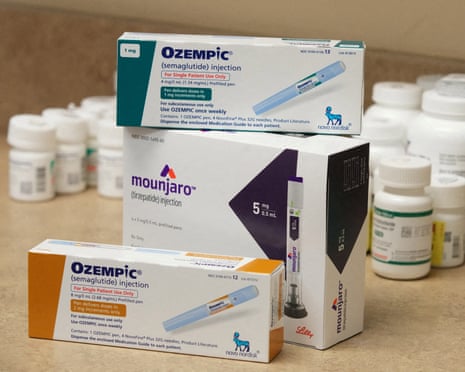
The UK's Medicines and Healthcare products Regulatory Agency (MHRA) has issued its first public alert on contraception and weight-loss medicines, after receiving 40 reports connected to pregnancies in people using GLP-1 drugs, including Ozempic, Wegovy and Mounjaro [1]. The agency said Mounjaro (tirzepatide) may reduce how well oral contraceptives, such as the pill, work in people who are overweight, and advised those taking it to use barrier methods like condoms instead [1].
Of the 40 reports, 26 involved Mounjaro, 9 involved liraglutide (found in Saxenda), and 8 involved semaglutide, the ingredient in Ozempic and Wegovy [1]. Reporters are not required to say whether a pregnancy was intended, but two of the reports specifically noted the pregnancy was unintentional [1]. The MHRA said these medicines must not be used during pregnancy, while trying to conceive, or while breastfeeding, because there is not enough safety data to know whether the drugs could harm a developing baby [1]. In some cases, the agency said, people should keep using contraception for up to two months after stopping the medicine before trying to get pregnant [1].
Dr Channa Jayasena, a reproductive endocrinologist at Imperial College Healthcare NHS Trust, explained two possible mechanisms behind the reports. First, obesity itself can reduce fertility, so people with obesity who lose weight on GLP-1 drugs may become more fertile than before [1]. Second, because these drugs slow how quickly the stomach empties, they may also reduce how much of an oral contraceptive pill gets absorbed, though he said more research is needed to confirm this [1]. Dr Alison Cave, the MHRA's chief safety officer, said the drugs are licensed to treat specific medical conditions, not for cosmetic weight loss, and that the new guidance is meant to give patients "a one-stop shop" for safety information — but is not a substitute for reading the patient leaflet or talking with a prescriber [1].
The alert follows earlier reporting on what one 2024 Guardian article called an unexpected "baby boom" tied to these drugs; a Facebook group named "I got pregnant on Ozempic" had more than 750 members at the time [1].
Why it matters for patients
This alert comes from the UK regulator, not the US Food and Drug Administration, and the sources reviewed here do not describe any parallel US action. Still, the drugs named — semaglutide (Ozempic, Wegovy), tirzepatide (Mounjaro), and liraglutide (Saxenda) — are prescribed in the United States under those same molecule names, so the underlying concern is relevant to US patients using them, too.
The core message from the MHRA is that people taking these medicines who are also using hormonal birth control, particularly the pill, may face a higher chance of pregnancy than expected, and that using a barrier method alongside oral contraceptives is one way to reduce that risk while taking Mounjaro specifically [1]. The agency's broader caution — that these drugs should not be used during pregnancy, while trying to conceive, or while breastfeeding, because safety data is lacking — applies across the GLP-1 class discussed in the alert [1].
What happens next
The sources reviewed do not indicate whether the FDA or other national regulators plan similar guidance, nor do they specify further UK regulatory steps beyond this alert dated June 5, 2025 [1]. Dr Jayasena noted that more research is needed to confirm whether reduced drug absorption from slowed stomach emptying actually lowers contraceptive effectiveness, suggesting further studies may follow [1]. Whether US regulators will issue comparable guidance is not yet known from the material available.
Images from the sources
Sources
Semaglutides.org is for information only and is not medical advice. Always talk to a licensed healthcare provider about your own care. Some links to telehealth services are affiliate links, labeled where they appear.