WeightWatchers emerges from bankruptcy as a private company
WeightWatchers finished its Chapter 11 bankruptcy on June 24, 2025, wiping out about $1.15 billion in debt while keeping its clinical GLP-1 program and memberships running without a gap [2].
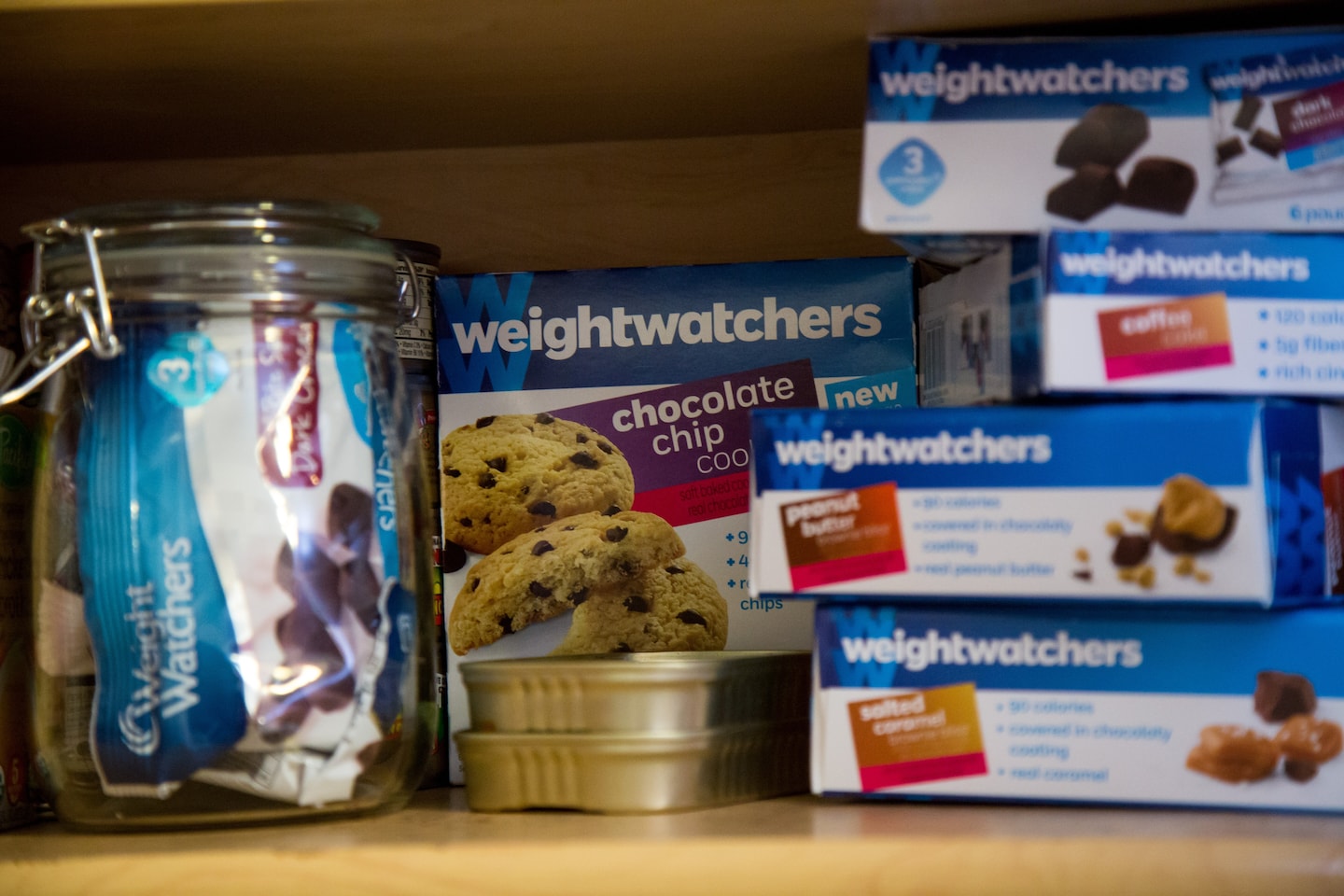
WW International, the parent of WeightWatchers, exited Chapter 11 bankruptcy on June 24, 2025, after a reorganization plan cleared roughly a week earlier. The restructuring eliminated about $1.15 billion in company debt, and member subscriptions and the company's clinical weight-loss program continued operating through the process [2].
The bankruptcy filing itself came on May 7, 2025, when WeightWatchers said it hoped to complete the Chapter 11 process within about 45 days [2]. That timeline lines up with the company emerging as a private company roughly seven weeks later. Coverage of the filing framed it as a symptom of "titanic shifts" in the diet industry, driven in large part by GLP-1 drugs such as Ozempic reshaping how Americans approach weight loss [2]. WeightWatchers had already been trying to pivot its 62-year-old business away from points and meetings toward a model that pairs its behavioral coaching with prescription medication [2].
That pivot is now the core of the company's business. WeightWatchers operates a clinical arm, marketed as Med+, in which licensed clinicians evaluate members and can prescribe GLP-1 medications to those who qualify based on BMI and health history [1]. As of the most recent pricing snapshot available, WeightWatchers offers only FDA-approved brand medications, including Wegovy in injection and pill form, Zepbound, Saxenda, and the orforglipron pill Foundayo, filled through a mail-order pharmacy partner [1]. The company moved away from compounded semaglutide around May 2025, after federal regulators declared the national shortages of tirzepatide and semaglutide resolved in late 2024 and early 2025 [1].
Membership costs are separate from drug costs. In one pricing snapshot, WW's Med+ membership ran $25 a month for an introductory period on a 12-month plan, then $74 a month, with medication billed on top through manufacturer self-pay programs that put Zepbound at $299 to $449 a month and Wegovy's pen at $199 to $349 depending on dose and timing [1].
Why it matters for patients
For people already enrolled, the bankruptcy exit means the program they were using kept functioning during the legal process, with no reported interruption to subscriptions or medication access [2]. That matters because switching prescribers or pharmacies mid-treatment can complicate dosing and refills for drugs that require gradual titration.
The debt elimination also signals that WeightWatchers intends to keep competing in the crowded telehealth weight-loss market rather than winding down. That market now includes companies such as Noom and Hims and Hers, which offer different mixes of brand and, in some cases, compounded GLP-1 medications alongside their own coaching styles [1]. For patients comparing options, the practical questions are the same regardless of which company emerges from financial trouble: whether a licensed clinician evaluates you, what pharmacy dispenses the drug, and the total monthly cost once membership fees and medication prices are added together [1].
Insurance coverage remains a separate, unresolved issue for many patients. Only a minority of large employers covered weight-loss GLP-1 drugs as of 2025, so cash pricing described here applies to a large share of users across WeightWatchers and its competitors [1].
What happens next
The sources reviewed do not describe changes to WeightWatchers' ownership structure, leadership, or long-term pricing strategy following the bankruptcy exit, so how the reorganization affects the company's future direction is not yet known from what is available here. Separately, a Medicare GLP-1 Bridge program covering Zepbound, Wegovy, and Foundayo at $50 a month was set to run from July 1, 2026, through December 31, 2027, though that program operates independently of WeightWatchers [1].
Images from the sources

Sources
Semaglutides.org is for information only and is not medical advice. Always talk to a licensed healthcare provider about your own care. Some links to telehealth services are affiliate links, labeled where they appear.