CNN reports "Ozempic face" is driving a cosmetic surgery boom
Rapid weight loss on GLP-1 drugs is leaving many patients with sagging skin and hollow faces, fueling a surge in fillers, fat grafting and facelifts, doctors say.

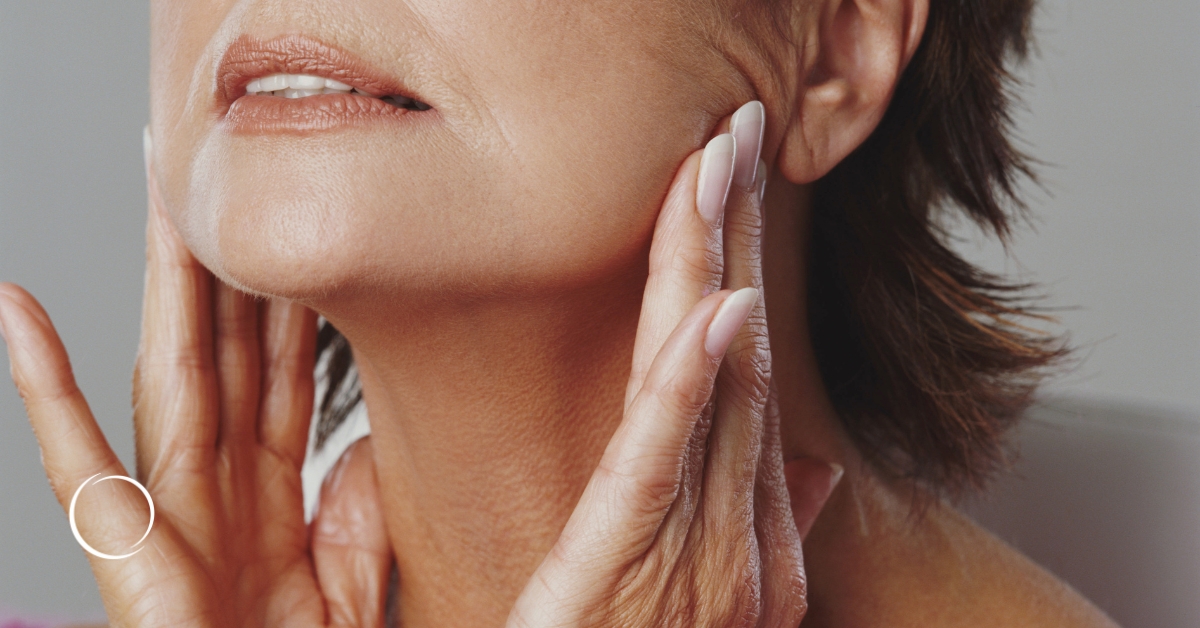
A rise in facial sagging and hollowing tied to GLP-1 weight loss drugs is fueling more demand for cosmetic procedures, according to plastic surgeons and dermatologists interviewed by CNN [1]. The pattern, nicknamed "Ozempic face," describes how quick, large weight loss can leave cheeks sunken and skin loose, even as patients feel healthier overall [1].
About 1 in 8 US adults has used a GLP-1 drug, and roughly 2 in 5 of those people took it only for weight loss, according to 2024 survey data from the health policy nonprofit KFF cited by CNN [1]. Cosmetic dermatologist Dr. Paul Jarrod Frank, who says he coined the term "Ozempic face," told CNN that more than 20% of his patients now use GLP-1 drugs as part of their routine, and many need larger amounts of filler than before, sometimes two or three syringes where one used to be enough [1].
The American Society of Plastic Surgeons found that 2 in 5 of its members' GLP-1 patients were considering cosmetic surgery, and 1 in 5 had already had a procedure [1]. Between 2022 and 2023, the number of facelifts performed in the US rose 8%, and use of hyaluronic acid fillers roughly doubled, from 2.6 million Americans in 2017 to more than 5.2 million in 2023, per ASPS data cited by CNN [1]. ASPS could not say the increases were solely because of GLP-1 use, but former ASPS president Dr. Steven Williams said the drugs have had "a global effect on aesthetic surgery" [1].
The underlying cause is fat cell shrinkage, not loss, doctors say. Adults don't grow new fat cells; existing ones simply get smaller with weight loss, leaving less fullness in the face, said Williams [1]. ASPS-member surgeons Dr. Michelle Lee and Dr. Daniel Beck told the organization that fast weight loss can strip volume and muscle tone from the face faster than skin can retract, producing a hollow, tired look, and that skin may also feel less elastic after GLP-1 use, though more research is needed on how these drugs affect collagen and elastin [2].
Why it matters for patients
For people considering or already using semaglutide (Ozempic, Wegovy) or tirzepatide (Mounjaro, Zepbound) for weight loss, facial changes are a documented side effect that can accompany significant, rapid weight loss, particularly in people over 45 losing 10 pounds or more, according to Frank [1]. Younger patients in their 20s and 30s are less likely to see this effect because their skin has more elasticity, per Frank and ASPS-member surgeons [1][2]. Age, the pace of weight loss and baseline skin quality all appear to shape how visible these changes are [2].
Cosmetic fixes are not simple or cheap. One New Jersey patient told CNN she expects to spend about $80,000 across a facelift, neck lift, arm and thigh lifts, breast lift, fat grafting and eyelid surgery after losing 45 pounds on Wegovy [1]. ASPS-member surgeons note that nonsurgical options such as fillers, microneedling and biostimulatory injectables like Sculptra can help before surgery becomes necessary [2], and that gradual weight loss of one to two pounds a week, along with hydration and a protein-rich diet, may reduce the risk of pronounced sagging [2].
What happens after stopping these drugs is also an open question. A peer-reviewed study found most people using GLP-1 drugs for weight loss quit within a year, and data presented at the European Congress on Obesity this year suggested patients often return to their starting weight within about 10 months of stopping, which Oxford researchers called a "cautionary note" [1]. How that weight regain affects people who already had cosmetic facial or body procedures is not yet known [1].
What happens next
ASPS tracks annual surgery statistics, including facelift and filler use, which will show whether 2024 and 2025 data continue the upward trend seen from 2022 to 2023 [1]. Longer-term research on how GLP-1 drugs affect skin collagen and elasticity, and on outcomes for patients who regain weight after stopping treatment, is still needed, according to both ASPS-member surgeons and the researchers cited in the CNN report [1][2].
Images from the sources


Sources
Semaglutides.org is for information only and is not medical advice. Always talk to a licensed healthcare provider about your own care. Some links to telehealth services are affiliate links, labeled where they appear.