Senators accuse Lilly and Pfizer of 'shady tactics' in their telehealth platforms
A Senate report accuses LillyDirect and PfizerForAll of steering patients toward branded drugs through contracted telehealth partners, raising kickback concerns that could affect how people get prescriptions for GLP-1 medicines.
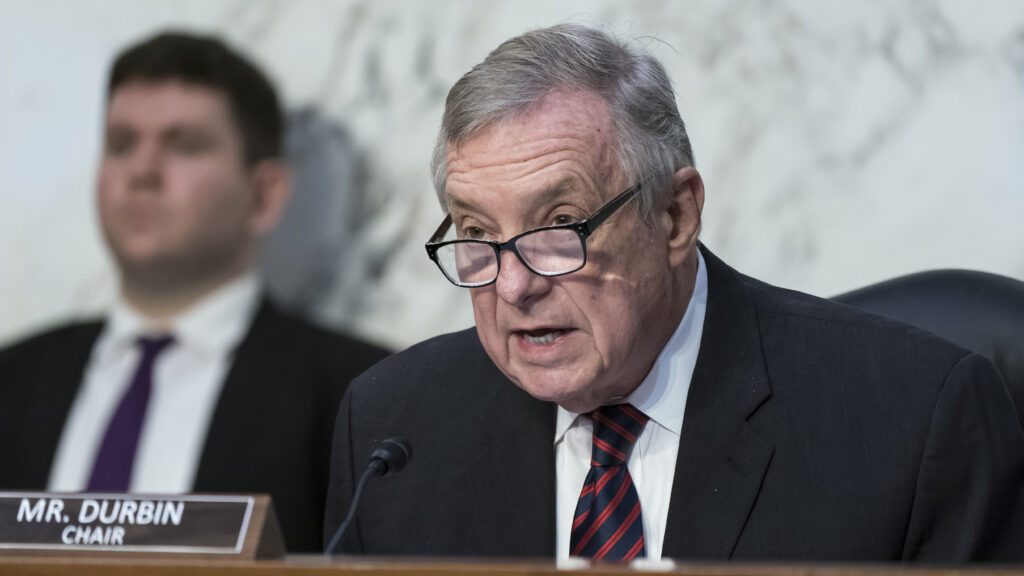
Four senators released a report on July 17, 2025, accusing Eli Lilly and Pfizer of using "shady tactics" through their direct-to-consumer telehealth platforms, LillyDirect and PfizerForAll [2]. The report, titled "Big Pharma's New Sales Scheme: Expanding Patient Access or a Virtual Pill Mill?," followed a nine-month investigation led by Sen. Dick Durbin (D-Ill.), along with Sens. Peter Welch (D-Vt.), Elizabeth Warren (D-Mass.), and Bernie Sanders (I-Vt.) [1][2].
The senators found that patients routed to a telehealth visit through the platforms received a prescription 85% of the time through PfizerForAll and 74% of the time through LillyDirect [2]. In one example, more than 500 of 620 LillyDirect patients who had a virtual visit through telehealth partner 9amHealth were prescribed a medication, an 83% rate compared with just 39% among 9amHealth's overall patient population [2]. LillyDirect users seen by 9amHealth-contracted doctors were six times more likely to be prescribed a Lilly product than another brand-name drug, and two-thirds of prescriptions written by doctors linked to another partner, Form Health, were for Lilly drugs [2].
The report also raised concerns about how some virtual visits work. It noted that appointments do not always require video, meaning providers may prescribe drugs without seeing a patient, and that most visits rely only on a patient questionnaire rather than full medical records [2]. Two telehealth services, the LillyDirect-contracted Cove and the former Pfizer partner Populus, reportedly let patients preselect the drug they want before even meeting with a provider [2].
Using the federal Open Payments database, the senators identified providers working for Lilly's telehealth partners who had received dozens of payments from the company combined, though the report did not specify how those payments related to their prescribing rates [2]. It cited research showing that industry payments to doctors are generally associated with increased prescribing of that company's products [2]. The senators also said that when they searched for obesity care near the U.S. Capitol using LillyDirect's provider-finder tool, four of the six closest doctors listed had received payments from Eli Lilly, while none of LillyDirect's 10 listed providers appeared in the top 500 results of a similar search on HealthGrades, the tool that powers LillyDirect's search feature [2].
Lilly and Pfizer have both said their platforms do not incentivize doctors to prescribe the companies' own medications [2]. Lilly has said LillyDirect connects patients with independent prescribers and does not pay for prescriptions, according to the summary of this development. The report acknowledged that neither company offers "overt" incentives to prescribe, but argued the companies still "want individual telehealth prescribers working under these contracts to write prescriptions" for their drugs and could use platform data to direct sales representatives toward certain doctors [2].
Why it matters for patients
People who use LillyDirect or PfizerForAll to seek care for obesity, diabetes, or other conditions treated by GLP-1 drugs may be interacting with a telehealth system that the senators say has financial ties influencing which drugs get prescribed [2]. The report suggests some visits involve limited clinical review, such as no video contact or reliance on questionnaires rather than full medical records, which the HHS Office of the Inspector General has previously flagged as a feature of fraudulent prescribing schemes [2]. Patients weighing whether to use a manufacturer-run platform versus an independent telehealth service or in-person doctor may want to understand these differences are under scrutiny, though it is not yet known whether any wrongdoing occurred, since the report describes patterns and relationships rather than proven violations of the anti-kickback statute [1][2].
What happens next
The senators did not specify concrete next steps but indicated they intend to pursue further oversight of the companies' influence over doctors and patients [2]. Durbin said the findings would inform efforts to "crack down on Big Pharma's latest ploy," though no legislation, hearing date, or regulatory action was announced in the report [2]. It is not yet known whether the Department of Health and Human Services or another agency will investigate further.
Images from the sources
Sources
Semaglutides.org is for information only and is not medical advice. Always talk to a licensed healthcare provider about your own care. Some links to telehealth services are affiliate links, labeled where they appear.