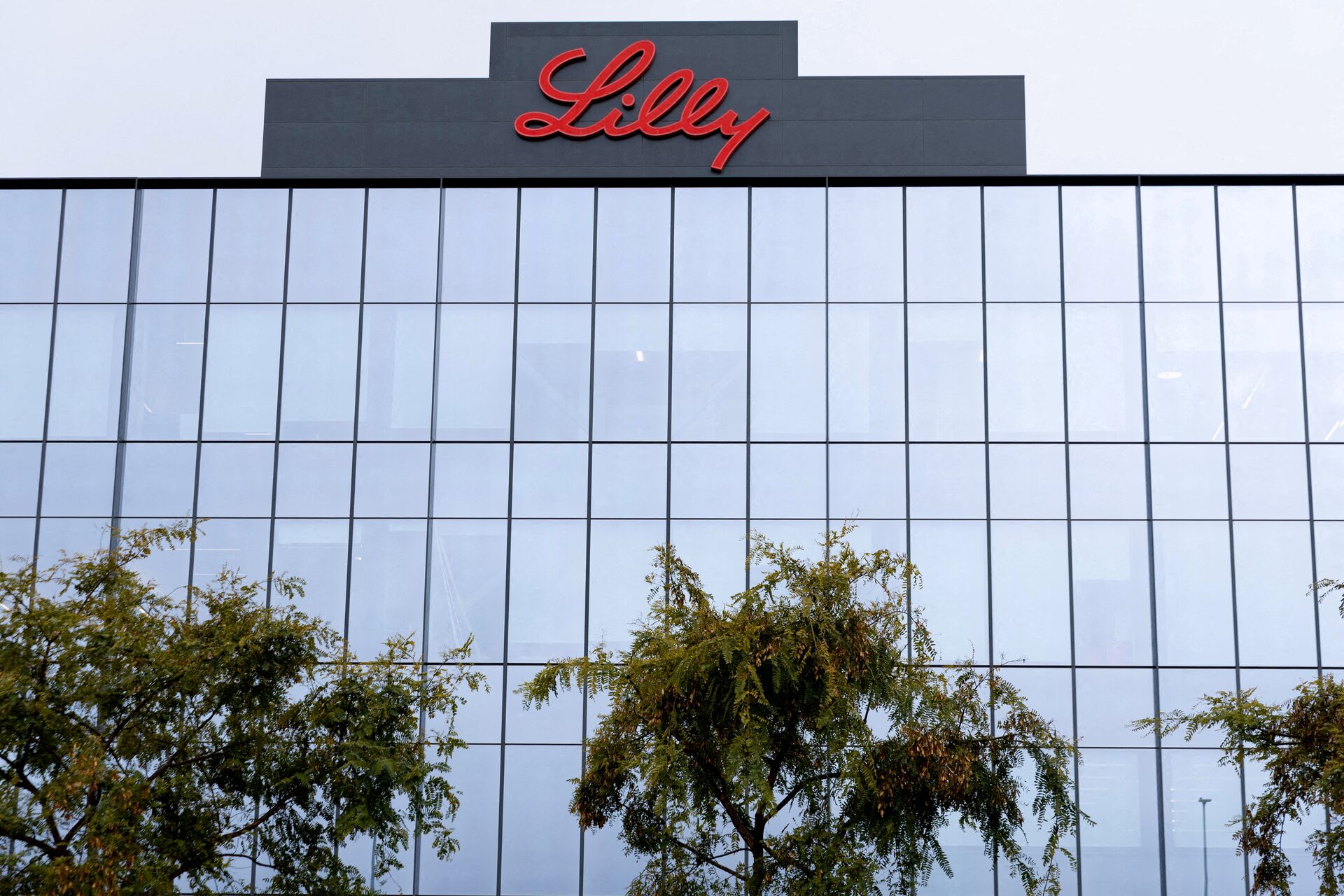
Lilly signs deal worth up to $1.3 billion with Superluminal for AI-discovered obesity drugs
The agreement adds a very early-stage, AI-driven approach to Lilly's obesity pipeline, but no compound from it has been named and none is in human testing.

Eli Lilly has signed a deal with Superluminal Medicines worth up to $1.3 billion to use artificial intelligence to discover small-molecule drugs for obesity and other cardiometabolic diseases, the companies announced on August 14, 2025 [1][2]. Reuters described the agreement as a deal worth $1.3 billion, while Superluminal said it is eligible to receive up to that amount, so the two accounts differ on whether $1.3 billion is the total value or a ceiling [1][2].
Under the terms, Boston-based Superluminal will use its discovery platform — which combines structural biology, machine learning, and prediction tools for how a drug moves through the body and how toxic it may be — to find and optimize small molecules against GPCR targets that are not being disclosed [2]. G-protein-coupled receptors, or GPCRs, are a class of proteins that can influence metabolism, cell growth and immune responses [1]. A 2 Minute Medicine summary notes they help regulate appetite, metabolism and cardiovascular function [3].
Lilly will receive exclusive rights to develop and commercialize compounds from the collaboration after Superluminal delivers development candidates that meet predefined criteria [2]. Superluminal is eligible for upfront and near-term payments, an equity investment, development and commercial milestones, and tiered royalties on net sales [1][2]. 2 Minute Medicine describes the package as upfront cash, milestone payments, royalties and an equity stake [3].
"GPCRs have established themselves as very important targets in the obesity and cardiometabolic landscape, but we're at the very early stages of exploration of the target class," Superluminal CEO Cony D'Cruz told Reuters [1].
Superluminal's own lead candidate targets a protein called melanocortin 4 receptor and is aimed at certain rare, genetic forms of obesity and hypothalamic obesity. Reuters reported it is expected to begin human trials by the fourth quarter of next year, and the company said it expects to enter the clinic in 2026 [1][2]. That candidate is not part of the Lilly deal [1][2]. One summary, from 2 Minute Medicine, describes the collaboration's programs as starting with a melanocortin 4 receptor agonist [3], which conflicts with the company statement and Reuters report that the Lilly deal covers undisclosed GPCR targets and excludes the lead candidate [1][2].
Lilly dominates the obesity treatment market, which Reuters says could be worth $150 billion by the next decade [1]; 2 Minute Medicine puts that forecast at $150 billion a year by the early 2030s [3]. Lilly's marketed obesity drug is Zepbound, which contains tirzepatide [1]. Its experimental oral GLP-1 drug, orforglipron, has failed to meet investor expectations [1]. Lilly also teamed up with the biotech Laekna on an experimental obesity drug designed to help patients lose weight while preserving muscle [1]. Rival Novo Nordisk struck a $2.2 billion deal with Septerna in May 2025 to develop small-molecule therapies directed at selected GPCR targets [1].
Why it matters for patients
No medicine from this deal is near availability. The GPCR targets are undisclosed, no compound has been named, and neither company has said when a candidate from the Lilly collaboration might enter human testing [1][2]. Nothing in this announcement changes how Ozempic, Wegovy or Rybelsus — all semaglutide — or Mounjaro and Zepbound — both tirzepatide — are prescribed or covered, and it does not change the status of orforglipron, which is not yet approved.
Companies including Novo Nordisk are exploring GPCR targets as a route to oral small-molecule obesity drugs [1]. Some experts believe GPCR-targeted drugs could have different safety and tolerability profiles, which in theory could expand the number of patients who can use an obesity medicine [3]. That is an expectation, not a trial result. No human data for any GPCR-targeted obesity drug developed under these partnerships has been reported in these accounts.
What happens next
Superluminal expects to begin human trials of its own melanocortin 4 receptor candidate in 2026 [1][2], a milestone separate from the Lilly collaboration. It has not been disclosed which GPCR targets the Lilly deal covers, how many programs it includes, or when a Lilly-partnered compound could be named or tested [2].
Images from the sources
Sources
- https://www.reuters.com/business/healthcare-pharmaceuticals/lilly-signs-13-billion-deal-with-superluminal-discover-obesity-medicines-using-2025-08-14/
- https://www.prnewswire.com/news-releases/superluminal-medicines-announces-collaboration-with-eli-lilly-and-company-to-advance-small-molecule-therapeutics-for-cardiometabolic-diseases-and-obesity-302529689.html
- https://www.2minutemedicine.com/lilly-strikes-1-3-billion-gpcr-drug-discovery-pact-with-superluminal/
Semaglutides.org provides information only, not medical advice. Talk to a licensed provider about your own care before making changes. Some telehealth links are affiliate links and are labeled where they appear.