Teva launches the first generic GLP-1 approved for weight loss
Teva said on Aug. 28, 2025 that the FDA approved and it immediately launched a generic version of Saxenda (liraglutide injection), the first generic GLP-1 cleared for weight management in the US [1].
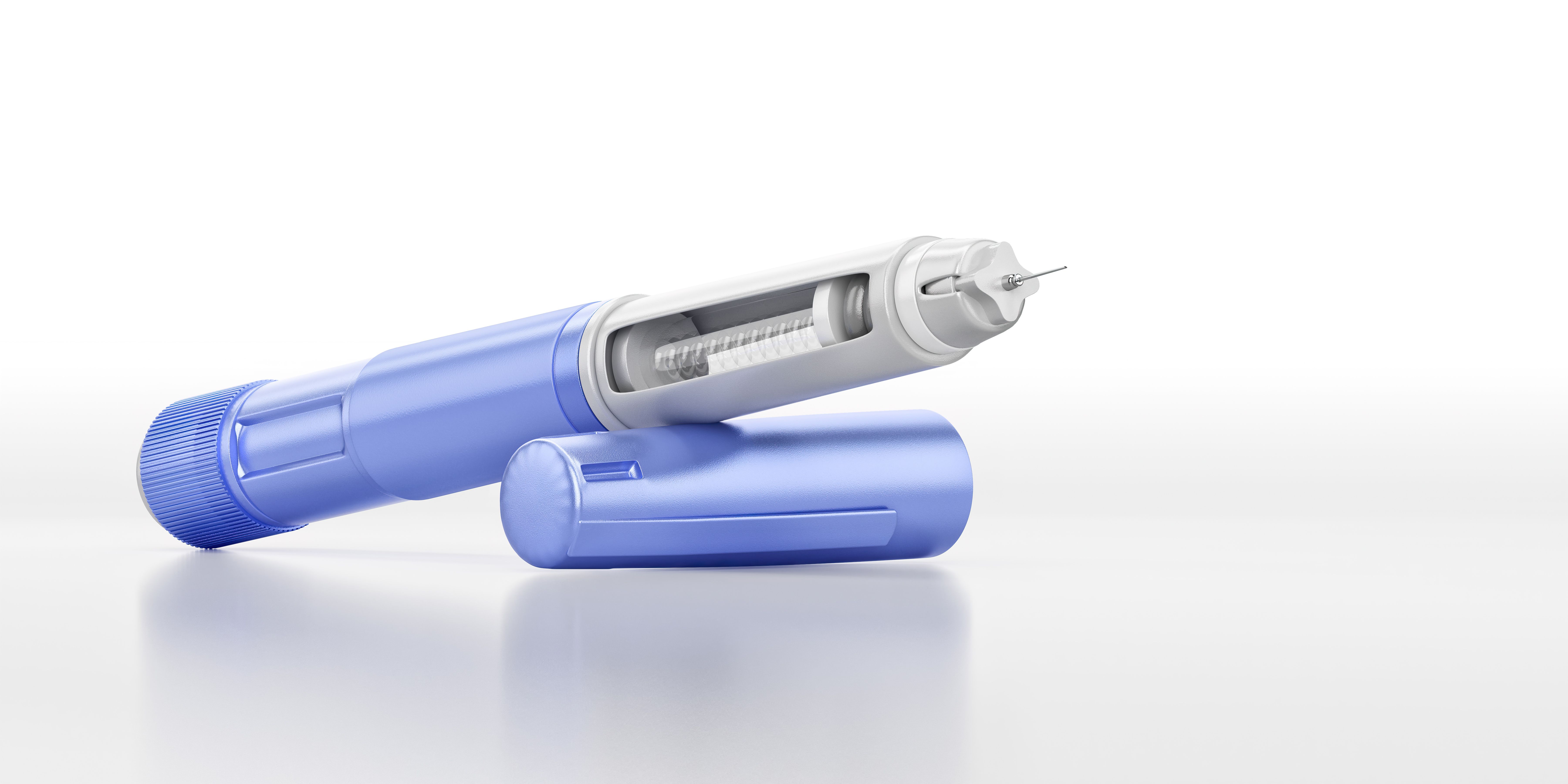
Teva Pharmaceuticals announced on August 28, 2025 that the US Food and Drug Administration approved its generic version of Saxenda (liraglutide injection) and that the company launched the product in the United States the same day [1][3]. It is the first generic GLP-1 receptor agonist approved specifically for weight loss in the US [1][2].
Liraglutide is a daily injection and an older member of the GLP-1 class than semaglutide (Ozempic, Wegovy, Rybelsus) or tirzepatide (Mounjaro, Zepbound). According to Drug Topics, liraglutide was first approved in 2010 for type 2 diabetes as Victoza and in 2014 for obesity as Saxenda, with a pediatric obesity indication added in 2020 for patients 12 and older [2].
What was approved
The generic carries the same indication as the brand: use alongside a reduced-calorie diet and increased physical activity to reduce excess body weight and maintain weight reduction long term in adults and pediatric patients age 12 and older who weigh more than 60 kg and have obesity, and in adults who are overweight with at least one weight-related condition [1][3]. The labeling states it is not recommended for people already taking liraglutide or another GLP-1 receptor agonist, and that safety and effectiveness are not known in children under 12 or in 12- to 17-year-olds with type 2 diabetes [1][3].
The label keeps liraglutide's boxed warning about possible thyroid tumors, including medullary thyroid carcinoma, based on rodent studies; whether liraglutide causes these tumors in people is not known [1][3]. The label says people with a personal or family history of medullary thyroid carcinoma or with Multiple Endocrine Neoplasia syndrome type 2 should not use it [1][3]. Other serious risks listed include pancreatitis, gallbladder problems including gallstones, low blood sugar (a risk noted as both serious and common in adults with type 2 diabetes and in children 12 and older without type 2 diabetes), increased resting heart rate, dehydration that can lead to kidney problems, severe stomach problems, serious allergic reactions, depression or suicidal thoughts, and a higher chance of food or liquid entering the lungs during procedures using anesthesia or deep sedation [1][3]. The most common side effects in adults include nausea, diarrhea, constipation, vomiting, injection site reactions, low blood sugar, headache, indigestion, fatigue, dizziness, stomach pain and changes in lipase levels; fever and gastroenteritis are additional common side effects in children [1][3].
The business picture
Teva said Saxenda had annual sales of $165 million as of June 2025 [1][3]. That is small compared with the newer weight-loss drugs, and it reflects how prescribing has shifted toward once-weekly options. Ernie Richardsen, Teva's senior vice president and head of US commercial generics, called the launch the company's "fifth first-to-market entry" of a Teva generic in 2025 and tied it to Teva's complex generics portfolio and "Pivot to Growth" strategy [1][3].
The diabetes version arrived earlier. Drug Topics reported that a generic liraglutide for type 2 diabetes was approved in April 2025 and launched the same month by Meitheal Pharmaceuticals, making liraglutide the first GLP-1 with generic equivalents for both the diabetes and obesity indications [2].
Why it matters for patients
A generic creates a second source of supply and an opening for price competition in a drug class where cost and coverage have been the main barriers for many people. Teva did not disclose a list price, discount level or expected copay in its announcement, so how much a generic liraglutide will actually cost at the pharmacy counter — and how insurers and pharmacy benefit managers will place it on formularies — is not yet known from these sources [1][3].
It is also important to be clear about what this is not. Liraglutide is a different molecule from semaglutide and tirzepatide, it is injected daily rather than weekly, and this approval does not make generic Wegovy or Zepbound available. Those remain brand-only. The sources here do not include head-to-head weight-loss comparisons among these drugs, so this development says nothing about relative effectiveness.
Broader market context: Drug Topics cited an analyst projection from Asembia's AXS25 Summit that the GLP-1 market could nearly double within the next decade, with use expanding beyond diabetes into obesity, chronic kidney disease and cardiovascular health [2]. The same report noted that manufacturers have been launching direct-to-consumer channels, including a Novo Nordisk partnership with several telehealth platforms for semaglutide announced in April 2025 [2].
Any questions about whether liraglutide fits a particular situation, including the boxed warning and the other risks listed on the label, are decisions for a patient and their clinician.
Images from the sources
Sources
- https://www.tevapharm.com/news-and-media/latest-news/teva-announces-fda-approval-and-launch-of-generic-saxenda-liraglutide-injection--first-generic-glp-1-/
- https://www.drugtopics.com/view/fda-approves-first-generic-glp-1-liraglutide-for-weight-loss
- https://ir.tevapharm.com/news-and-events/press-releases/press-release-details/2025/Teva-Announces-FDA-Approval-and-Launch-of-Generic-Saxenda-liraglutide-injection--First-Generic-GLP-1-Indicated-for-Weight-Loss/default.aspx
Semaglutides.org is for information only and is not medical advice. Always talk to a licensed healthcare provider about your own care. Some links to telehealth services are affiliate links, labeled where they appear.