Lilly halts one bimagrumab plus tirzepatide trial in type 2 diabetes
Eli Lilly halted one of two mid-stage studies testing bimagrumab, a muscle-sparing drug, alongside its diabetes and obesity medicine tirzepatide, though a related obesity-only trial continues [1].
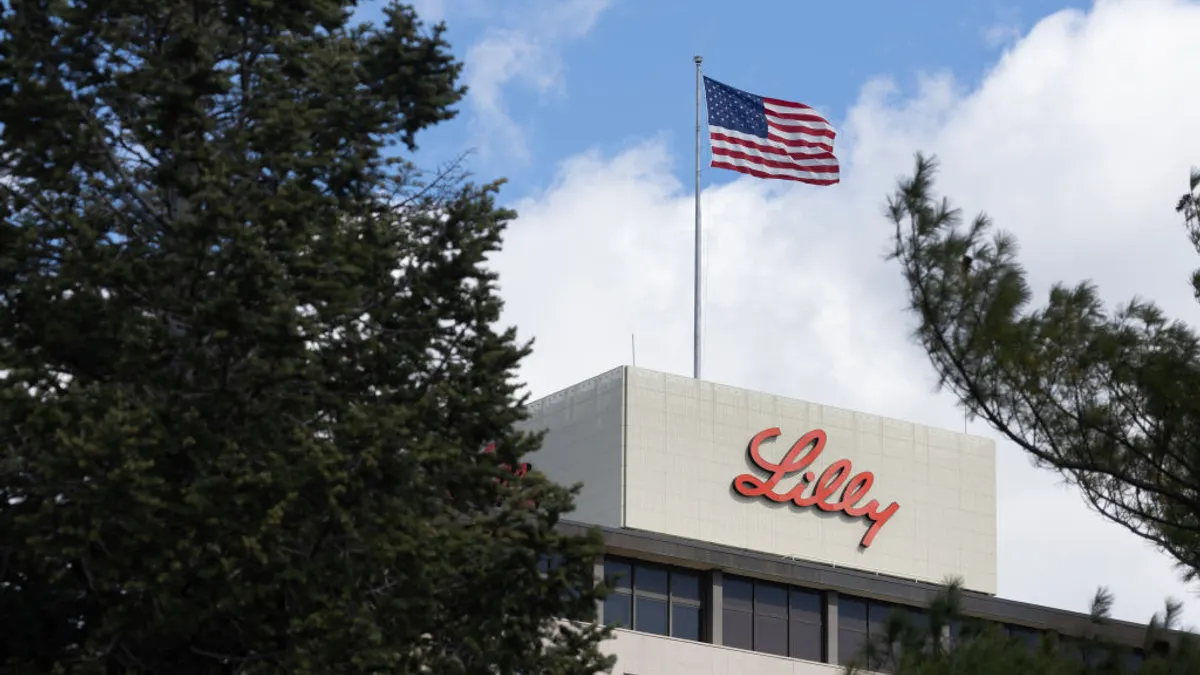
Eli Lilly has stopped a Phase 2b clinical trial that combined the experimental muscle-preserving antibody bimagrumab with tirzepatide, the active ingredient in Mounjaro and Zepbound, in people with obesity and type 2 diabetes. According to a federal clinical trials database, Lilly cited "strategic business reasons" for ending the study [1].
The canceled trial, listed as NCT06901349, had been expected to enroll 180 people and finish in late 2026 [1]. It was one of two Phase 2 studies testing bimagrumab, alone or paired with Lilly's marketed drug, in people with obesity. The other trial, which does not include diabetics, is still active. That study is recruiting participants to receive a placebo or various doses of bimagrumab with or without Zepbound, and is measuring how well the combinations spur weight loss and protect muscle mass. Early results are expected around April 2026 [1].
A Lilly spokesperson told BioPharma Dive that company executives "routinely evaluate our clinical development programs to optimize the potential for each product" and confirmed the other bimagrumab trial in non-diabetic people with obesity continues [1]. The trial halt was first reported by Bloomberg [1].
Bimagrumab targets proteins that regulate muscle growth. It was originally discovered by Novartis and studied for rare muscle-wasting conditions such as sarcopenia and inclusion body myositis. Novartis later licensed the drug to Versanis Bio, a startup launched in 2021 that aimed to use it as part of obesity treatment regimens. Lilly acquired Versanis for up to $1.9 billion two years later [1].
Why it matters for patients
Medicines like tirzepatide and semaglutide, sold as Zepbound and Wegovy, can reduce both fat and lean muscle mass, partly because suppressed appetite and slower digestion lead people to eat less protein [1]. Drugs such as bimagrumab are being developed specifically to protect muscle without blocking the weight loss these GLP-1 medicines produce. Lilly is not alone in this pursuit: Regeneron Pharmaceuticals, Biohaven, Scholar Rock and Veru are also developing muscle-sparing obesity drugs [1].
The trial stoppage arrives as regulators appear to be raising the bar for what these add-on drugs must show. Veru, another company working on a muscle-preserving therapy, said this week that the Food and Drug Administration "now guides that incremental weight loss" beyond what a GLP-1 drug produces alone "is an acceptable primary endpoint to support approval" [1]. That suggests companies may need to prove their muscle-sparing drugs also boost weight loss, not just improve body composition, to win FDA clearance. Veru's shares fell 3% after that announcement and another 3% two days later [1].
For patients currently taking Zepbound, Mounjaro, Wegovy or other GLP-1 medicines, this development does not change anything about those approved drugs. It does affect the timeline for whether an add-on therapy to counter muscle loss will reach the market, and on what terms. It is not yet known from available sources exactly why Lilly ended this specific trial rather than the other one, or whether the decision reflects the tougher FDA bar described by Veru.
What happens next
The remaining bimagrumab trial in non-diabetic people with obesity, which pairs the drug with Zepbound or a placebo, is expected to produce initial results around April 2026 [1]. Lilly has not said whether the diabetes-focused halt signals broader changes to its muscle-preservation drug program.
Sources
Semaglutides.org is for information only and is not medical advice. Always talk to a licensed healthcare provider about your own care. Some links to telehealth services are affiliate links, labeled where they appear.