Lilly names Goochland County, Virginia as the first of four new US plants
Eli Lilly named Goochland County, Virginia as the site of a $5 billion plant for cancer and biologic drugs, the first of four new U.S. factories, but it is not built to make GLP-1 obesity or diabetes medicines.
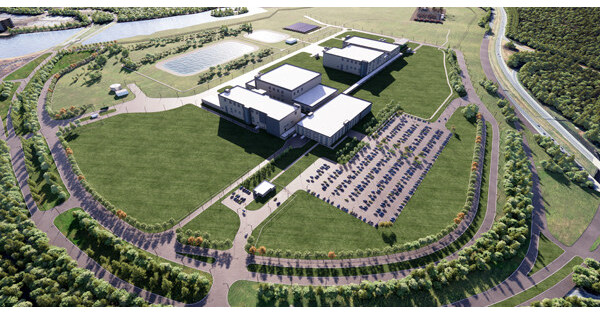
Eli Lilly and Company said on September 16, 2025, that it plans to build a $5 billion manufacturing facility in Goochland County, Virginia, just west of Richmond [1]. The company called it the first of four new U.S. manufacturing sites it intends to announce this year, part of a broader $50 billion U.S. capital expansion effort that began in 2020 [1].
The Virginia site is described as Lilly's first fully integrated facility for active pharmaceutical ingredient (API) and drug product work tied to its bioconjugate platform and monoclonal antibody portfolio [1]. Lilly says the plant will support cancer, autoimmune, and other advanced therapies, and will also expand domestic production of antibody-drug conjugates (ADCs), which combine antibodies with cell-killing drugs to target diseased cells while limiting damage to healthy tissue [1]. These are used mainly in cancer treatment, though the company says they are being studied for autoimmune diseases and other conditions [1].
Lilly says the project will create more than 650 permanent jobs, including engineers, scientists, and lab technicians, plus about 1,800 construction jobs during the build-out [1]. The company estimates that every dollar spent at the site will generate up to four dollars in local economic activity, and that each manufacturing job will support additional jobs in supply chain, logistics, and retail [1]. Virginia Governor Glenn Youngkin and Lilly CEO David Ricks both framed the investment as strengthening the U.S. pharmaceutical supply chain [1]. Construction is expected to take up to five years, with Lilly aiming to begin making medicines there within that window [1].
Why it matters for patients
This plant is not designed to make semaglutide (Ozempic, Wegovy, Rybelsus) or tirzepatide (Mounjaro, Zepbound). Lilly's own announcement describes it as a cancer and biologics facility for bioconjugates and monoclonal antibodies, not a site for GLP-1 obesity or diabetes drugs [1]. So people currently taking or waiting for tirzepatide products should not expect this specific investment to change supply or pricing for those medicines.
The announcement is still relevant to the broader picture of Lilly's manufacturing strategy. The company frames Goochland County as the first of four planned U.S. sites tied to its multiyear, $50 billion domestic investment push, which suggests more manufacturing announcements are coming this year, some of which could eventually touch other product lines [1]. For now, though, the sources provided do not say whether any of the three remaining sites will make GLP-1 medicines, and that detail is not yet known.
For patients focused on tirzepatide or semaglutide access, the practical takeaway is narrower than the dollar figure might suggest. A $5 billion facility sounds significant, and it is, for Lilly's cancer and immunology pipeline and for jobs in central Virginia [1]. But it does not directly address the manufacturing capacity questions that have driven shortages or waitlists for GLP-1 drugs in past years, based on what this announcement states.
What happens next
Lilly says it plans to announce its three remaining U.S. manufacturing sites later this year, with all four facilities expected to begin producing medicines within about five years [1]. Whether any of those future sites will focus on GLP-1 drug production is not addressed in this announcement and remains unknown from the sources available.
Images from the sources
Sources
Semaglutides.org is for information only and is not medical advice. Always talk to a licensed healthcare provider about your own care. Some links to telehealth services are affiliate links, labeled where they appear.