Semaglutide labels add a warning for severe gastrointestinal reactions
The new label sections tell patients and clinicians that semaglutide's stomach and gut side effects are sometimes severe and that the drugs are not recommended in severe gastroparesis.
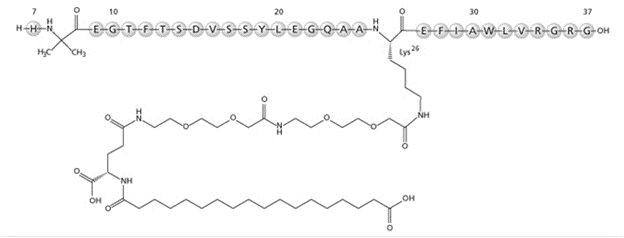
In October 2025, the US prescribing information for every semaglutide product — the Ozempic and Wegovy injections, oral Wegovy tablets, and the oral semaglutide products Rybelsus and Ozempic tablets — gained a new Warnings and Precautions section titled Severe Gastrointestinal Adverse Reactions [1][2][3][4][5]. Each label's "Recent Major Changes" list dates that addition to 10/2025 [1][2][3][4][5].
The new text is short and similar across products. For Ozempic injection, the label states that use "has been associated with gastrointestinal adverse reactions, sometimes severe" and that "OZEMPIC is not recommended in patients with severe gastroparesis" [1]. The Wegovy labels, for both the injection and the tablets, carry the same two statements with the Wegovy name [2][4]. The combined Rybelsus and Ozempic tablets label uses the same wording for the oral products [3]. The section is numbered 5.7 in the Ozempic injection label and 5.6 in the Wegovy and oral semaglutide labels [1][2][3][4][5].
The Wegovy prescribing information gives a figure for how often these events were serious enough to be counted as severe: 4.1% of Wegovy-treated adults had severe gastrointestinal reactions, compared with 0.9% of adults who received a placebo [4]. The labels also list the most common side effects. For Ozempic, those reported in 5% or more of patients are nausea, vomiting, diarrhea, abdominal pain and constipation [1]. The Wegovy labels list a longer set at that threshold, including nausea, diarrhea, vomiting, constipation, abdominal pain, headache, fatigue, dyspepsia, abdominal distension, eructation, flatulence and gastroesophageal reflux disease [2][4]. The oral semaglutide label lists nausea, abdominal pain, diarrhea, decreased appetite, vomiting and constipation [3].
Gastroparesis is delayed emptying of the stomach. The labels say semaglutide is not recommended for people with severe gastroparesis, but they do not define "severe," say how many patients have that condition, or explain what prompted the change [1][2][3][4]. The labels separately warn that vomiting or diarrhea can lead to dehydration and acute kidney injury, and instruct clinicians to monitor kidney function in patients reporting reactions that could cause volume depletion [1][3]. They also note that semaglutide delays gastric emptying, which may affect how other oral medicines are absorbed [1].
Label revision dates differ by product. The DailyMed page for Ozempic injection shows a label updated June 1, 2026 and revised 5/2026 [1]. The oral Wegovy tablets label is marked revised 02/2026 [2], and the Wegovy prescribing information covering both the injection and tablets is marked revised 06/2026 [4]. Wegovy labels also removed a Suicidal Behavior and Ideation warning; one version dates that removal to 02/2026 [2] and another to 01/2026 [4], so the two documents do not agree.
Why it matters for patients
Gastrointestinal side effects are the most frequently reported problem with semaglutide, and the labels have long listed nausea, vomiting, diarrhea and constipation as common [1][2][3]. The new section moves the possibility of severe reactions into the part of the label devoted to warnings, which is the material prescribers and pharmacists review first. A patient who experiences intense vomiting, persistent diarrhea or abdominal pain is now covered by language their clinician can point to directly.
The gastroparesis language is a narrower point. People who already have severe delayed stomach emptying are described in the labeling as not recommended for these drugs, which may affect whether a prescription is written or continued. The labels do not say what testing or diagnosis is expected before that judgment is made [1][2][3][4].
Numbers give the risk some scale: in the Wegovy data cited in the label, most treated adults did not have a severe gastrointestinal reaction, and the rate was 4.1% versus 0.9% on placebo [4]. The labels do not report how often severe reactions required hospitalization, led people to stop treatment, or persisted after the drug was stopped.
What happens next
No further regulatory steps have been disclosed. The revised labels are already in effect, with revision dates of 5/2026 for the Ozempic injection label, 02/2026 for the oral Wegovy tablets label and 06/2026 for the combined Wegovy prescribing information [1][2][4]. Whether the labeling will change again, and whether the oral Rybelsus and Ozempic tablets label will carry its own revision date, has not been reported [3].
Sources
- https://dailymed.nlm.nih.gov/dailymed/drugInfo.cfm?setid=adec4fd2-6858-4c99-91d4-531f5f2a2d79
- https://www.accessdata.fda.gov/drugsatfda_docs/label/2026/215256s033lbl.pdf
- https://www.accessdata.fda.gov/drugsatfda_docs/label/2026/213051Orig1s030lbl.pdf
- https://www.novo-pi.com/wegovy.pdf
- https://www.novo-pi.com/ozempic.pdf
Semaglutides.org provides information only, not medical advice. Talk to a licensed provider about your own care before making changes. Some telehealth links are affiliate links and are labeled where they appear.