Surveys show roughly one in eight Americans has used a GLP-1
New estimates say roughly 12% of Americans, about 41 million people, have tried a GLP-1 drug, with around 20 million currently on one, a shift big enough that food companies are already reworking their recipes.
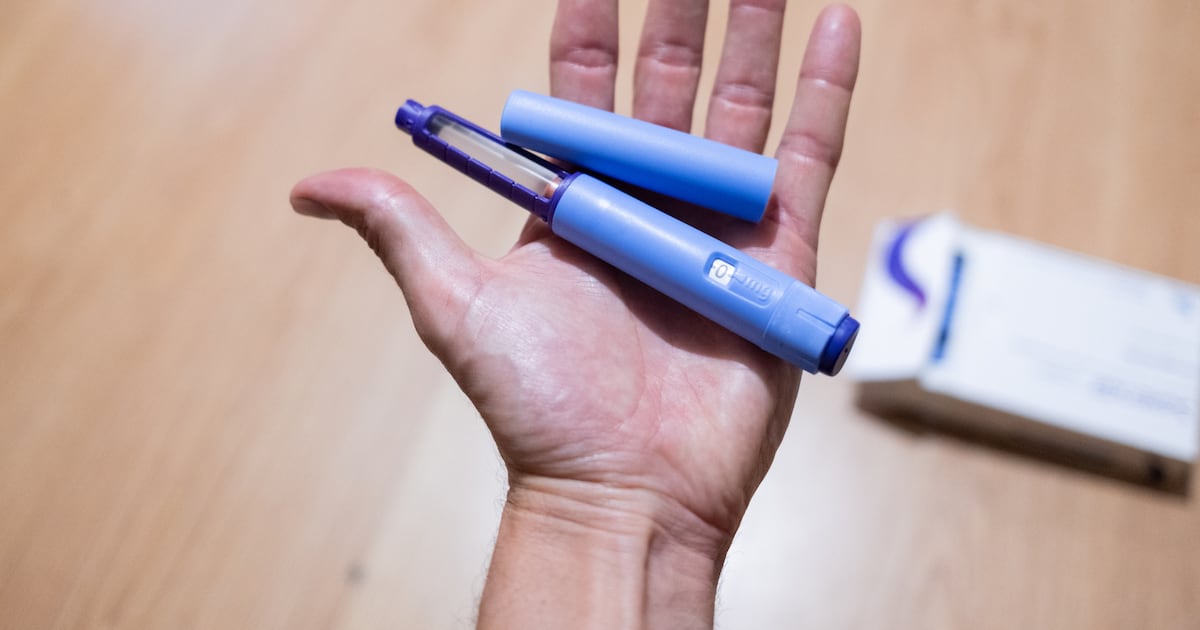
An October 2025 industry report says roughly one in eight Americans, or about 41 million people, have used a GLP-1 medicine such as semaglutide (Ozempic, Wegovy, Rybelsus) or tirzepatide (Mounjaro, Zepbound) at some point, and that about 20 million people are currently taking one [1]. The same coverage separately puts the share of Americans currently on a GLP-1 drug at 6%, a figure the report itself flags as possibly "wildly underestimated" given how fast prescriptions are growing [1].
The scale of use is now large enough to be reshaping the food business, according to the report. It describes GLP-1 users as eating noticeably smaller amounts and changing what they buy, and it frames this as "a once-in-a-generation opportunity" for food companies, or a risk for those that ignore it [1]. Related reporting cited alongside the analysis points to specific pressure points: one piece describes a broader "GLP-1 food boom" driving rapid growth in the food and beverage sector, but warns that risks and costs are mounting as companies chase this market [1]. Another notes that GLP-1 users often end up undernourished on smaller portions, which the industry is treating as both a problem to solve and a business opening for new products [1]. A third raises open questions about how these drugs affect gut health as their popularity keeps climbing [1].
The numbers themselves come with caveats. The 12% "ever used" figure and the 6% "currently using" figure are both described in the same industry analysis, but the underlying source material is behind a paywall, and the full methodology behind either number is not laid out in the available text [1]. It is also not clear from the available material whether the 41 million and 20 million figures cited alongside these percentages come from the same survey or a different one [1].
Why it matters for patients
For an individual patient, national percentages do not change how a specific medicine works in their body. But the scale described here does have practical effects. If close to 20 million Americans are currently taking a GLP-1 drug, that is a large enough group that grocery stores, restaurants, and packaged food brands are actively redesigning products around smaller appetites and different eating patterns [1]. That could mean more smaller-portion products, more reformulated items marketed to GLP-1 users, and more attention to nutrient gaps in this population, since one part of the coverage specifically flags GLP-1 users as at risk of being undernourished on reduced food intake [1].
It also means patients are joining a very large and fast-growing group, which is part of why questions about longer-term effects, including on gut health, are still being actively raised rather than settled [1]. The gap between the 6% "currently taking" figure and the industry's own suggestion that this may be an undercount [1] is a reminder that even the basic scale of GLP-1 use in the United States is still being measured and revised, not fixed.
What happens next
The food and beverage industry angle is already unfolding in real time, with related reporting on the same topic published across August, September, and October 2025 covering the food boom, gut health questions, and nutrient gaps tied to GLP-1 use [1]. Whether the 12% and 6% figures get revised, and how food companies keep adjusting products, are both areas likely to keep generating coverage, though specific future data releases are not detailed in the available material [1].
Images from the sources
Sources
Semaglutides.org is for information only and is not medical advice. Always talk to a licensed healthcare provider about your own care. Some links to telehealth services are affiliate links, labeled where they appear.