Novo Nordisk starts 9,000 job cuts, including production roles at North Carolina Wegovy plant
Novo Nordisk is cutting about 9,000 jobs worldwide, including production jobs at the North Carolina plant that makes Wegovy and Ozempic, as it trims costs amid competition with Eli Lilly.
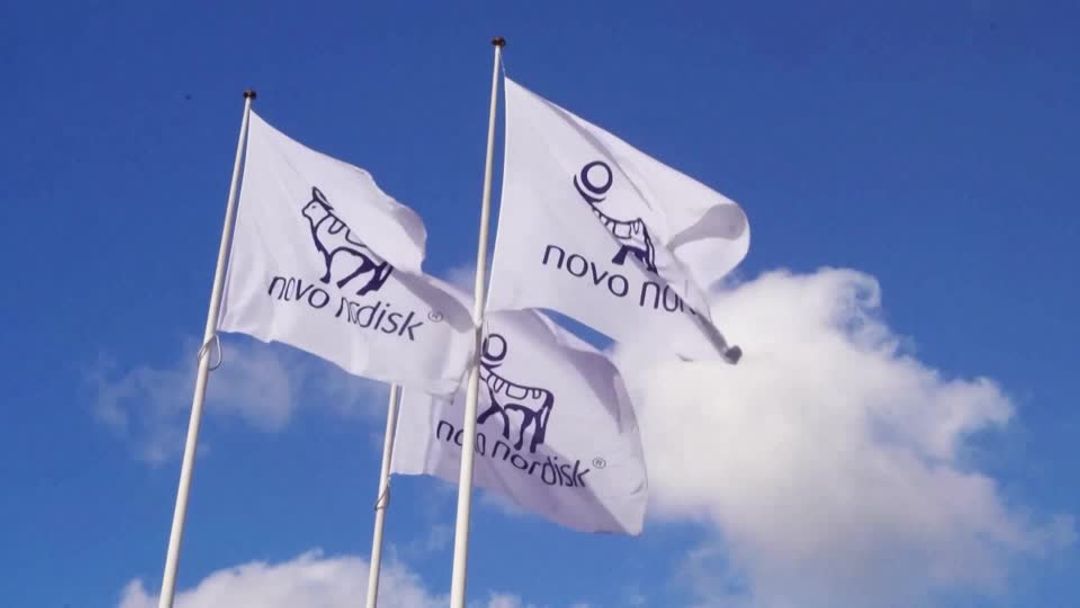
Novo Nordisk has started laying off workers at its Clayton, North Carolina plant, the largest U.S. manufacturing site for Wegovy and Ozempic, as part of a global restructuring that will eliminate about 9,000 jobs [1][2].
The Danish drugmaker announced the wider restructuring on Sept. 10, 2025. The plan cuts about 9,000 positions from a workforce of 78,400, including 5,000 jobs in Denmark [1][2]. Novo says the goal is to simplify its organization, speed up decision-making and redirect resources into diabetes and obesity treatments [2].
Reuters, reviewing 73 LinkedIn posts and profiles, found dozens of layoffs at the Clayton site and other North Carolina facilities. The roles included technical manufacturing workers, project coordinators and an HR assistant, with some in quality control and on production lines; 47 of the people posted that they had been laid off or were looking for work [1]. Reuters could not determine the exact number of Clayton layoffs or the reason for them, and they came three weeks after the global cuts were announced [1]. Novo declined to give more detail. "This process takes time and our highest priority is to support our employees," a company spokesperson said [1].
What the Clayton plant does
Clayton makes semaglutide, the active ingredient in Wegovy and Ozempic, and also handles filling, finishing and packaging of the injections. It is expected to play a key role in producing the new pill version of Wegovy once that becomes available [1]. The site employed about 2,500 people in 2024 and was expected to add 1,000 more [1]. CEO Mike Doustdar has highlighted an ongoing $4.1 billion expansion there [1].
The global cuts follow an earlier round focused on Novo's obesity education team in the U.S. [1]. The company said the savings will be reinvested in commercial execution, research and development, and manufacturing scale-up [2].
Why it matters for patients
The cuts reach frontline production in the biggest market for Wegovy, at a time when Novo is under pressure from Eli Lilly's competing obesity drug [1][2]. Whether the Clayton reductions affect the supply of Wegovy, Ozempic or the coming Wegovy pill has not been disclosed; Novo has not said publicly how the job losses will change production volumes there [1].
Wider context: Novo became Europe's most valuable listed company on demand for weight-loss drugs, then saw a sharp share price slide as sales growth slowed, and is now cutting costs and staff that grew during the Wegovy boom [1]. Analysts cited competition from Eli Lilly's Zepbound and a stock drop to a three-year low as possible factors behind an earlier hiring freeze at Novo [2].
The layoffs also come as the administration of President Donald Trump pressures pharmaceutical companies to expand U.S. drug production and create more domestic jobs [1]. Novo's savings target of about $1.25 billion a year by 2026 equals roughly the scale of one large manufacturing investment, and the company says the money will go back into its diabetes and obesity business [2].
What happens next
Novo expects the restructuring to produce about $1.25 billion in annual savings by 2026, against an estimated $1.26 billion in net one-off costs — about $1.41 billion booked in the third quarter of 2025 and $157 million in offsetting savings in the fourth quarter. The company lowered its 2025 operating profit growth forecast at constant exchange rates to 4%–10%, from 10%–16% [2].
One employee who responded to Reuters said a non-disclosure agreement prevented them from speaking to the media [1]. Novo has not said how many more job cuts are planned beyond the 9,000, or when the restructuring will be complete outside the end-of-2026 savings target [1][2].
Images from the sources

Sources
Semaglutides.org provides information only, not medical advice. Talk to a licensed provider about your own care before making changes. Some telehealth links are affiliate links and are labeled where they appear.