FDA approves a cardiovascular indication for oral semaglutide
On Oct. 17, 2025, the FDA cleared Rybelsus (oral semaglutide) to cut the risk of heart attack, stroke and cardiovascular death in adults with type 2 diabetes at high risk — the first pill GLP-1 with that label.
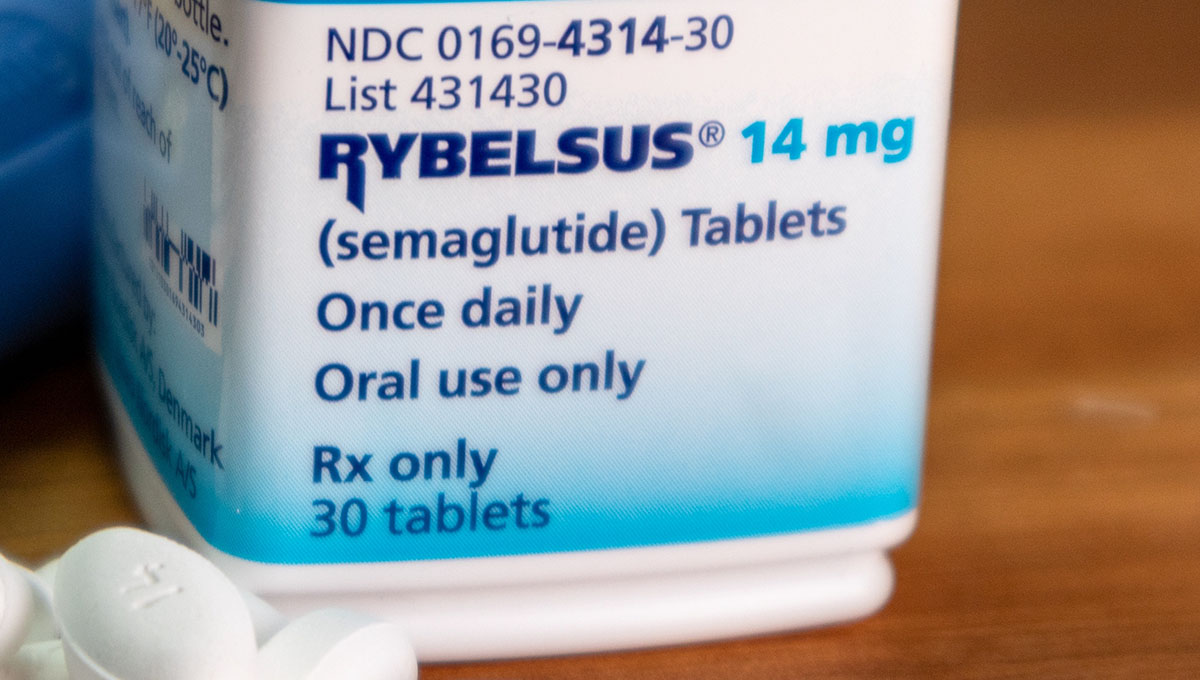
The US Food and Drug Administration approved Rybelsus (semaglutide) tablets, 7 mg or 14 mg, to reduce the risk of major adverse cardiovascular events — cardiovascular death, non-fatal heart attack or non-fatal stroke — in adults with type 2 diabetes who are at high risk for those events [5]. Novo Nordisk announced the decision on Oct. 17, 2025 [5]. The indication covers people whether or not they have already had a cardiovascular event, meaning both primary and secondary prevention [5].
That made Rybelsus the only oral GLP-1 medicine approved in the US to reduce the risk of these events in adults with type 2 diabetes at high risk [5]. The pill was first approved on Sept. 20, 2019, for blood sugar control in type 2 diabetes alongside diet and exercise [1][5].
What the trial showed
The approval rests on SOUL, a phase 3b, multicenter, randomized, double-blind, placebo-controlled trial that enrolled 9,650 people with type 2 diabetes at high cardiovascular risk [5]. Participants took oral semaglutide at a maximum dose of 14 mg or placebo once daily, on top of standard care [5][6]. The trial began in 2019 and had a mean follow-up of about four years — 47.5 months [5][6].
Major adverse cardiovascular events occurred in 579 of 4,825 people (12.0%) taking oral semaglutide versus 668 of 4,825 (13.8%) on placebo (hazard ratio 0.86; 95% CI, 0.77–0.96; p=0.006) [5]. Novo Nordisk describes that as a 14% relative reduction in risk at four years, and a 2% absolute risk reduction at three years [5]. TCTMD reported the benefit was driven mainly by fewer non-fatal heart attacks [6].
"Even in the absence of a previous heart attack or stroke, adults with type 2 diabetes face an increased risk of cardiovascular events, underscoring the need for therapies that go beyond managing blood sugar," said John B. Buse, MD, PhD, of the UNC Diabetes Care Center and a SOUL steering committee co-chair [5][6].
Safety data from SOUL
Safety tracking in SOUL focused on serious adverse events, events of special interest and events causing people to stop the drug [5]. Serious adverse events were somewhat less common with oral semaglutide (47.9%) than placebo (50.3%), including cardiac disorders (17.8% vs 19.8%) and infections (15.0% vs 16.5%) [5]. Serious gastrointestinal events were more common with semaglutide (5.0% vs 4.4%) [5]. Adverse events leading people to permanently stop treatment occurred in 749 participants (15.5%) on semaglutide and 559 (11.6%) on placebo, mainly gastrointestinal problems and infections [5].
The label's most common side effects are nausea, abdominal pain, diarrhea, decreased appetite, vomiting and constipation [1][5]. Warnings include possible thyroid tumors, pancreatitis, diabetic eye disease complications, low blood sugar when combined with insulin or sulfonylureas, dehydration-related kidney injury, allergic reactions and aspiration during anesthesia [1][5].
Why it matters for patients
A cardiovascular indication changes what a drug is officially approved to do, which can influence prescribing and insurance coverage decisions. Injectable semaglutide already carried heart-related indications: Ozempic injection for reducing major cardiovascular events in type 2 diabetes, and Wegovy injection for the same in people with overweight or obesity [1]. This decision extended that territory to a tablet [5].
The pill has specific handling rules baked into its label: one tablet daily, on an empty stomach in the morning, with no more than 4 ounces of plain water, swallowed whole, with food, drink or other oral medicines waiting 30 minutes [5]. Whether those daily requirements affect real-world results compared with a weekly shot is not addressed in these sources.
The absolute benefit is modest — about 2 percentage points over three years [5] — and the trial studied people already at high cardiovascular risk, not the general population.
What happens next
At the time of approval, Novo Nordisk said it had submitted a separate US application for once-daily oral semaglutide under the Wegovy name for obesity [5]. The FDA approved that Wegovy pill on Dec. 22, 2025 [1][4]. On Jan. 30, 2026, the FDA approved relabeling the newer Rybelsus "R2" tablets (1.5 mg, 4 mg, 9 mg) as Ozempic tablets [1].
Images from the sources
Sources
- https://www.drugs.com/history/rybelsus.html
- https://clinicaltrials.gov/study/NCT03914326
- https://drugs.com/history/rybelsus.html
- https://www.hcplive.com/view/fda-approves-semaglutide-wegovy-pill-as-first-oral-glp-1-for-weight-loss
- https://www.prnewswire.com/news-releases/fda-approves-novo-nordisks-oral-semaglutide-for-cardiovascular-cv-risk-reduction-in-adults-with-type-2-diabetes-who-are-at-high-risk-including-those-who-have-not-had-a-prior-cv-event-302588022.html
- https://www.tctmd.com/news/oral-semaglutide-gets-fda-approval-cv-event-reduction-high-risk-diabetes-patients
- https://www.pharmacytimes.com/view/from-rybelsus-to-the-wegovy-pill-what-pharmacists-need-to-know-about-the-next-generation-of-oral-semaglutide
Semaglutides.org is for information only and is not medical advice. Always talk to a licensed healthcare provider about your own care. Some links to telehealth services are affiliate links, labeled where they appear.