Lizzo says the "Ozempic boom" is erasing plus-size people
Lizzo's Nov. 24 essay ties the popularity of weight-loss drugs to shrinking clothing size ranges and fewer plus-size modeling jobs, a cultural shift many GLP-1 patients are navigating.
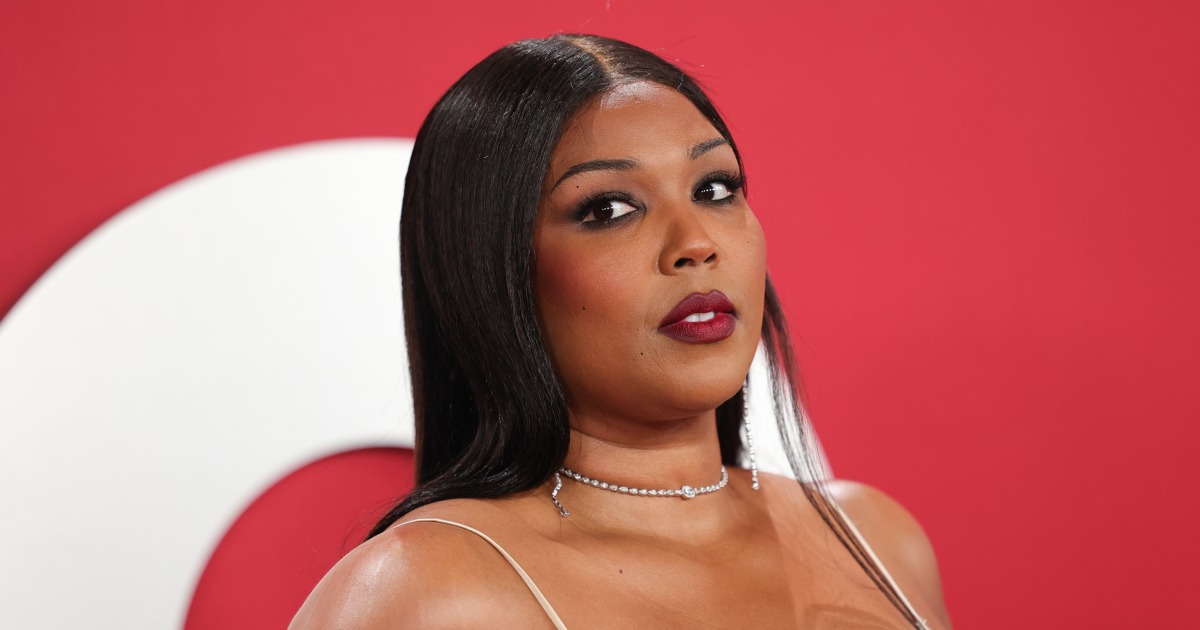
Lizzo published an essay on Substack on Nov. 24 responding to criticism of her weight loss, and she used part of it to argue that the surge in weight-loss medication use is pushing larger bodies out of fashion and public life. "We have a lot of work to do, to undo the effects of the ozempic boom," the 37-year-old singer wrote, adding, "I have a lot of work to do to regain the trust of the movement that gave me wings." [1]
In the essay, Lizzo said extended clothing sizes are no longer as readily available as they once were and asserted that plus-size models are "no longer getting booked for modeling gigs." [1] TODAY's report does not include industry sales figures, size-range data or booking statistics to test those claims, so the scale of any change is not established in the available reporting.
What Lizzo said about her own weight
Lizzo described starting to lose weight in the fall of 2023, a period when she said she was "severely depressed" and "deeply suicidal" after a lawsuit filed by former backup dancers alleging sexual harassment and a hostile work environment. She has denied those allegations. [1] She said she took up Pilates and initially lost weight that "wasn't intentional," and that therapy helped her see her weight as "a protective shield, a joyful comfort zone." She has since described each "pound 'lost'" as a "pound 'released.'" [1]
She also said she still weighs more than 200 pounds and deliberately never disclosed how much weight she has lost. "I made sure not to say how much weight I actually released because I didn't want anyone holding themselves to a certain standard," she wrote. [1] Elsewhere in the essay she wrote: "It was never about being 'thin' for me. I don't even think it's possible for me to be considered actually 'thin.'" [1]
The essay does not state, in the reporting available, whether Lizzo currently takes a GLP-1 medication. TODAY's article links to its own earlier coverage headlined around Lizzo saying she tried Ozempic and that one diet change worked better for her weight loss, but the details of that account are not contained in this report. [1] Ozempic is semaglutide, approved for type 2 diabetes; Wegovy is the same molecule approved for weight management.
The backlash she is answering
Much of the essay addresses a split inside the body-positivity movement. "We're in an era where the bigger girls are getting smaller because they're tired of being judged. And now those bigger girls are being judged for getting smaller by the very community they used to empower," she wrote. "There's nothing wrong with living in a bigger body. There's nothing wrong with being fat. But if a woman wants to change, she should be allowed to change." [1]
She argued the movement lost its focus once it "started to generate big business," saying that "once something becomes for everyone, the people that it was originally created for are edged out." [1] She closed by calling herself "a proud big girl" who loves herself "no matter what the scale says." [1]
Why it matters for patients
People taking or considering semaglutide or tirzepatide often face social judgment from two directions at once: criticism for using a medication, and criticism for changing their body at all. Lizzo's essay puts that double bind in plain terms and shows it is not limited to celebrities. [1]
There is also a practical angle. If clothing retailers narrow their size ranges, as Lizzo claims, that affects shoppers regardless of whether they use these drugs, and it can affect people at every point in a weight change. [1] The reporting here does not verify that trend with data.
Finally, her decision not to publish a number is worth noting as a communication choice, not a medical one. Individual results with GLP-1 medications vary widely, and comparing yourself to a public figure's reported total is not a useful measure of anything. [1]
What happens next
Lizzo's essay was posted Nov. 24. [1] No response from clothing brands, modeling agencies or drugmakers is reported in the source, and it is not yet known whether the essay will prompt one.
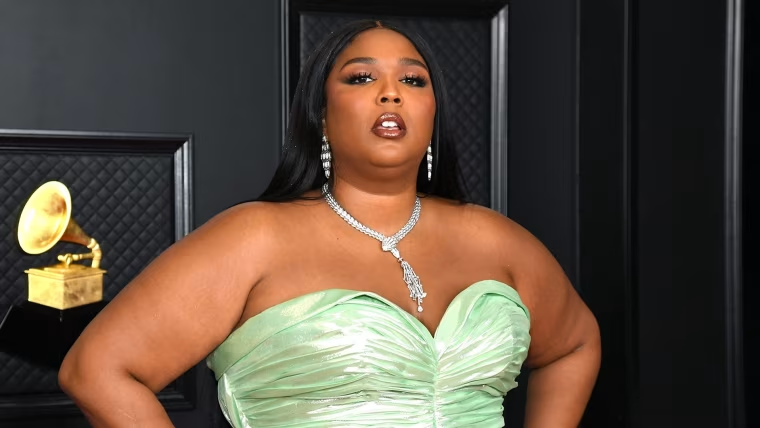
Images from the sources
Sources
Semaglutides.org is for information only and is not medical advice. Always talk to a licensed healthcare provider about your own care. Some links to telehealth services are affiliate links, labeled where they appear.