Pfizer and Novo escalate a bidding war for obesity biotech Metsera
Pfizer and Novo Nordisk are trading billion-dollar bids for Metsera, a startup testing a once-monthly GLP-1 shot and an obesity pill — none of which are approved or available yet.
Two of the biggest names in drugmaking are fighting in public, and in court, over a small obesity biotech. Pfizer and Novo Nordisk each raised their offers for Metsera in early November, and Pfizer sued both Metsera and Novo Nordisk in Delaware, alleging breach of contract and anticompetitive conduct [1][2].
The fight is over a company founded in 2022 that has no approved products. Metsera is developing a once-monthly injectable GLP-1 drug and an amylin treatment designed for monthly dosing — less often than today's weekly shots — plus an oral candidate [1][2]. Metsera has reported positive Phase 2b results for its monthly injectable GLP-1 [2].
How the bidding escalated
Pfizer announced on Sept. 22 that it would buy Metsera for $4.9 billion upfront, or up to about $7.3 billion including future milestone payments [1][2]. Novo Nordisk had submitted bids during September and October that Metsera rejected over "regulatory risks," according to later regulatory filings [2].
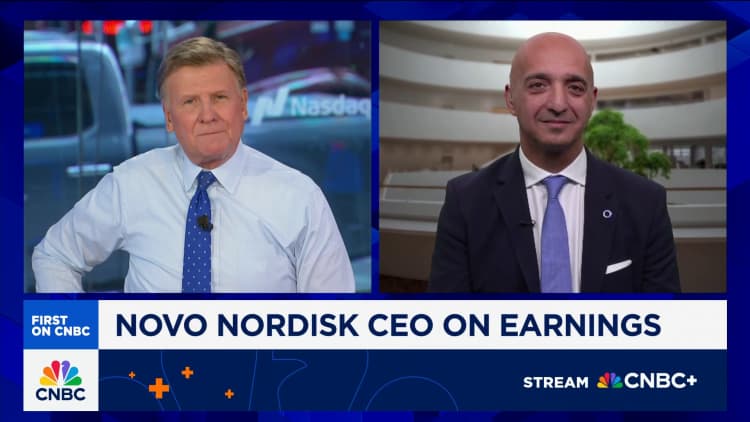
On Oct. 30, Novo Nordisk went public with an unsolicited bid valuing Metsera at roughly $6 billion upfront, or up to $9 billion [1][2]. Metsera called it superior and started a four-business-day clock for Pfizer to respond [1][2]. Pfizer sued in the Delaware Court of Chancery on Oct. 31, seeking a temporary restraining order to stop Metsera from terminating the existing merger agreement, and arguing Novo's offer was "illusory" and unlikely to clear antitrust review [1][2].
On Nov. 3, Pfizer filed a second suit in U.S. District Court in Delaware, claiming Novo's bid violates the Clayton Act and the Sherman Act by trying to eliminate a smaller potential competitor "to the detriment of millions of Americans" with diabetes or obesity [2]. The suit also names Metsera's lead shareholders, including Validae Health, Population Health Partners, and two ARCH Venture funds [2]. Pfizer raised its bid to about $8.1 billion the same day [1][2]. Novo Nordisk countered on Nov. 4 with an offer of about $10 billion, which Metsera again called superior, giving Pfizer two business days to respond [1][2].
Metsera pushed back hard: "Pfizer is trying to litigate its way to buying Metsera for a lower price than Novo Nordisk," the company said, calling Pfizer's litigation arguments "nonsense" [1][2]. Novo Nordisk said "Pfizer's baseless claims that Novo Nordisk intends to suppress innovation through our offer is false and without merit" [1]. A Delaware judge said at a Nov. 4 emergency hearing that there was no current need for the court to step into the bidding war, and scheduled another hearing for Wednesday [1][2]. Pfizer CFO Dave Denton said the company is "going to avail ourselves to all of our rights legally" and is "not giving up on the fight for sure" [1].
The summary of this development also references FTC concerns; the sources provided here do not describe any FTC action, so that remains unconfirmed in this reporting.
Why it matters for patients
Nothing about this changes what is on pharmacy shelves today. Metsera's drugs are still in clinical testing, and neither a monthly injection nor its oral candidate has been submitted for approval or shown to work in late-stage trials, based on these sources [1][2].
The longer-term question is competition. Pfizer's antitrust argument is that a Novo purchase would help the company "maintain its dominant position" in obesity by removing a future rival [1]. Novo makes semaglutide, sold as Ozempic for diabetes and Wegovy for weight loss, and has been losing market share to Eli Lilly, maker of tirzepatide [1]. Who owns a promising pipeline can shape how many options eventually reach patients — though the sources do not quantify any effect on prices.
Analysts are also skeptical that monthly dosing is a sure thing. TD Cowen's Michael Nedelcovych wrote that it is unclear Metsera's GLP-1 or amylin drugs are "differentiated" from Novo's own medicines, adding that "value may be driven by prospects for once-monthly dosing, but feasibility of this approach is not yet proven" [1]. Mizuho strategist Jared Holz suggested Novo may be pursuing Metsera "as much for itself as it is to keep" the drugs away from Pfizer [1]. Pfizer, for its part, has scrapped two of its own weight-loss pills in the past two years over safety issues [1][2].
What happens next
Pfizer's deadline to match or beat Novo's $10 billion bid was set for the end of the day Nov. 5, following the court hearing [2]. Reuters reported that Pfizer matched the $10 billion figure, and that Novo raised again on Nov. 6 by an undisclosed amount [2]. A final outcome had not been announced as of Nov. 7 [2].
Images from the sources
Sources
Semaglutides.org is for information only and is not medical advice. Always talk to a licensed healthcare provider about your own care. Some links to telehealth services are affiliate links, labeled where they appear.