Pricing deal brings tariff relief and priority review vouchers
As part of the November 6 drug pricing deal, Novo Nordisk and Eli Lilly were promised tariff relief and fast-track regulatory vouchers — trades that could affect how quickly new GLP-1 options reach the market.[1]
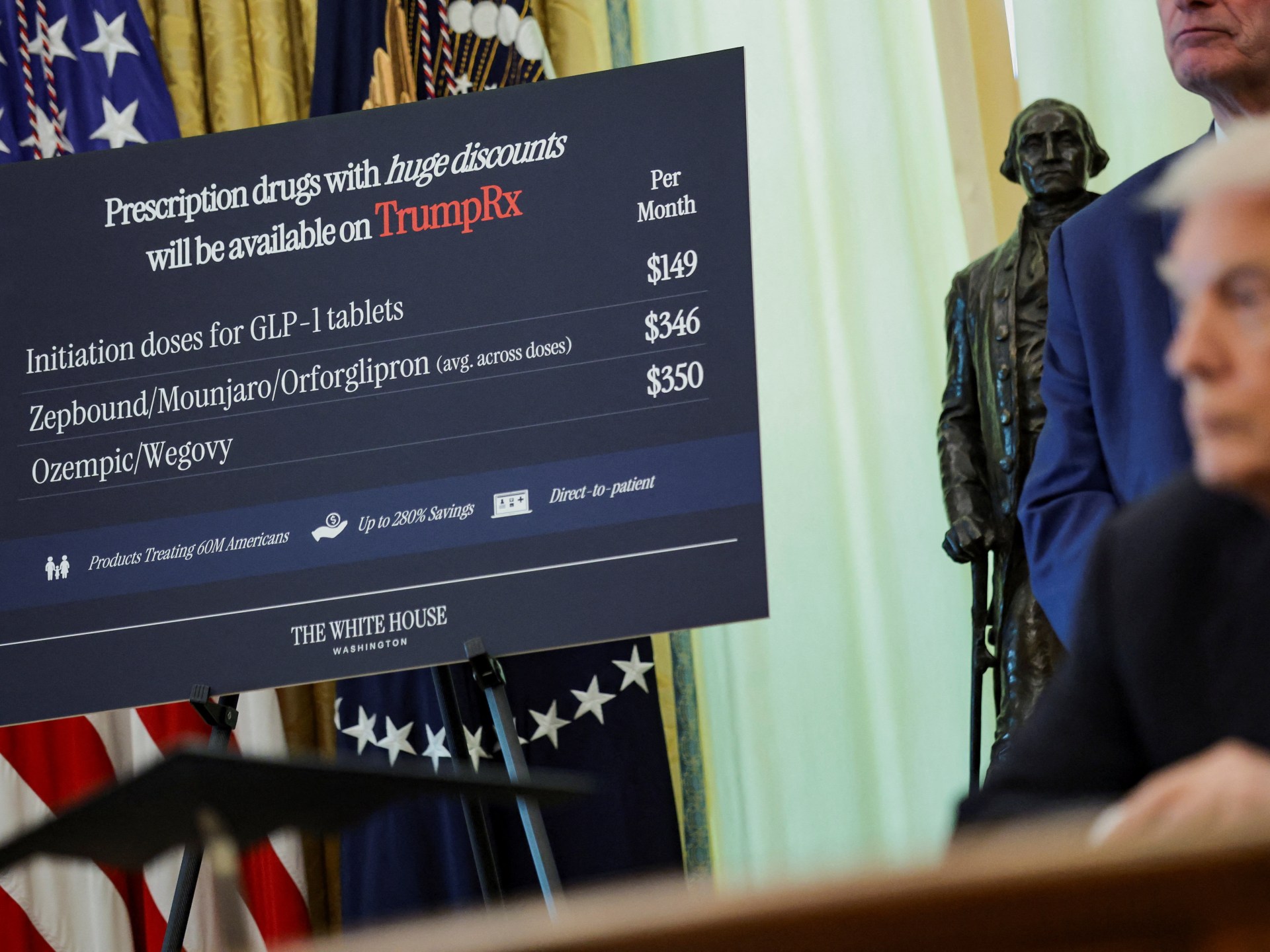
President Donald Trump, Eli Lilly and Novo Nordisk announced a deal on November 6, 2025 to cut prices of GLP-1 weight-loss drugs for Medicare, Medicaid and cash-paying patients.[1] Less discussed than the price tags were what the companies got in return: relief from pharmaceutical tariffs and fast-track regulatory vouchers for some future medicines, according to senior administration officials.[1]
What the companies received
Administration officials said the drugmakers would get relief from tariffs as part of the agreement, and Lilly said it would be exempted from tariffs for three years.[1] Officials also said Novo and Lilly will receive fast-track regulatory vouchers for some of their future drugs.[1] The Al Jazeera report based on Reuters does not spell out how many vouchers each company gets, which products they could be applied to, or exactly how the tariff relief will be administered — those details are not yet known from these sources.
Later reporting describes Novo's side of the bargain more specifically: the agreement secured a fast-tracked FDA review of a higher-dose Wegovy and a three-year exemption from US tariffs on pharmaceutical imports.[2] That is a point where the sources are not fully aligned. The November coverage attributes the explicit three-year tariff exemption to Lilly's own statement[1], while the later account applies a three-year exemption to Novo[2]. It is possible both companies received similar terms, but the sources here do not confirm that.
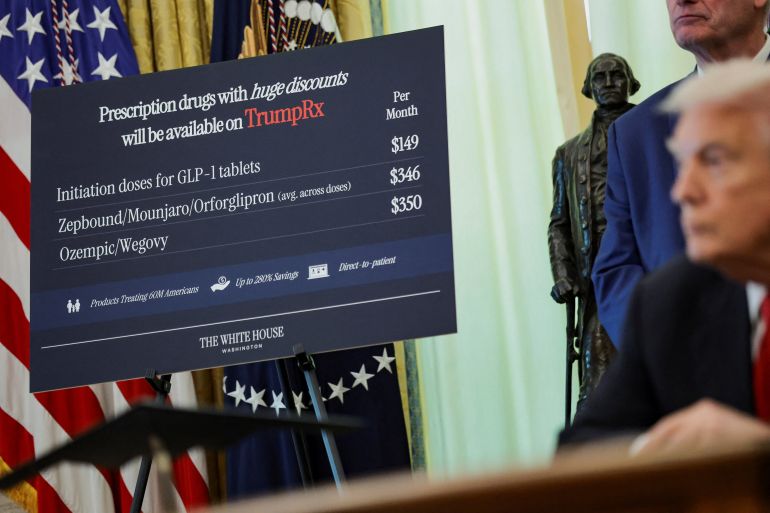
The pricing side of the deal is more concrete. Starter doses of the weight-loss pills both companies are developing would cost $149 per month for Medicare and Medicaid enrollees and through the government's TrumpRx site, if approved.[1] Currently available injectable GLP-1s used for diabetes and other covered conditions would fall to $245 per month for Medicare and Medicaid patients, with Medicare co-pays capped at $50 a month.[1] Lilly said the lowest dose of Zepbound (tirzepatide) would be available for $299 per month, with additional doses at $449 per month for cash payers.[1] List prices for Wegovy (semaglutide) and Zepbound top $1,000 a month, though both companies had already offered cash buyers a $499 monthly supply.[1]
Why it matters for patients
Tariffs and regulatory vouchers sound like corporate finance, but they touch the two things patients notice most: price and timing.
Tariffs on imported medicines raise a manufacturer's costs, and those costs can flow into what buyers ultimately pay. Novo Nordisk is a Danish company and Lilly manufactures across multiple countries, so exemption from US pharmaceutical import tariffs removes a cost pressure that could otherwise have pushed against the discounts just announced. Novo has said the lower prices themselves could weigh on its global sales growth.[2]
Fast-track vouchers matter for how soon new options appear. Both companies are racing to bring oral GLP-1s to market: Novo's once-daily oral Wegovy was under FDA review with a decision expected later in 2025, and Lilly's orforglipron was set for regulatory submission by the end of 2025 with a potential 2026 launch.[1] Novo ultimately won approval for an oral obesity treatment ahead of Lilly and began selling an oral version of Wegovy in the US in January.[2] A faster review of a higher-dose Wegovy, which Novo says offers weight-loss potential comparable to Zepbound, could add another choice for people who have plateaued on current doses.[2]
There is a trade-off worth understanding: accelerated review pathways shorten the time regulators spend evaluating an application. Whether that changes the depth of safety scrutiny for any specific product is not addressed in these sources.
What happens next
Under the agreement, the negotiated prices take effect no later than January 2026 for cash payers, by mid-2026 for Medicare patients, and on a rolling basis for Medicaid enrollees depending on when each state signs up.[1] Medicare coverage is set to expand to overweight patients with prediabetes or heart problems, obese patients with other conditions, and severely obese patients — roughly 10 percent of Medicare enrollees.[1] Medicare has not typically covered these drugs for obesity, and Medicaid coverage varies by state.[1]
How long the tariff exemptions last beyond three years, and whether the vouchers are used on obesity drugs or other products, remain open questions in these sources.
Images from the sources
Sources
Semaglutides.org is for information only and is not medical advice. Always talk to a licensed healthcare provider about your own care. Some links to telehealth services are affiliate links, labeled where they appear.