Novo shares fall 8% on the Alzheimer's miss
Novo Nordisk shares fell as much as 8% after semaglutide failed to slow Alzheimer's progression in two large trials, a bigger reaction than analysts expected for a long-shot study.
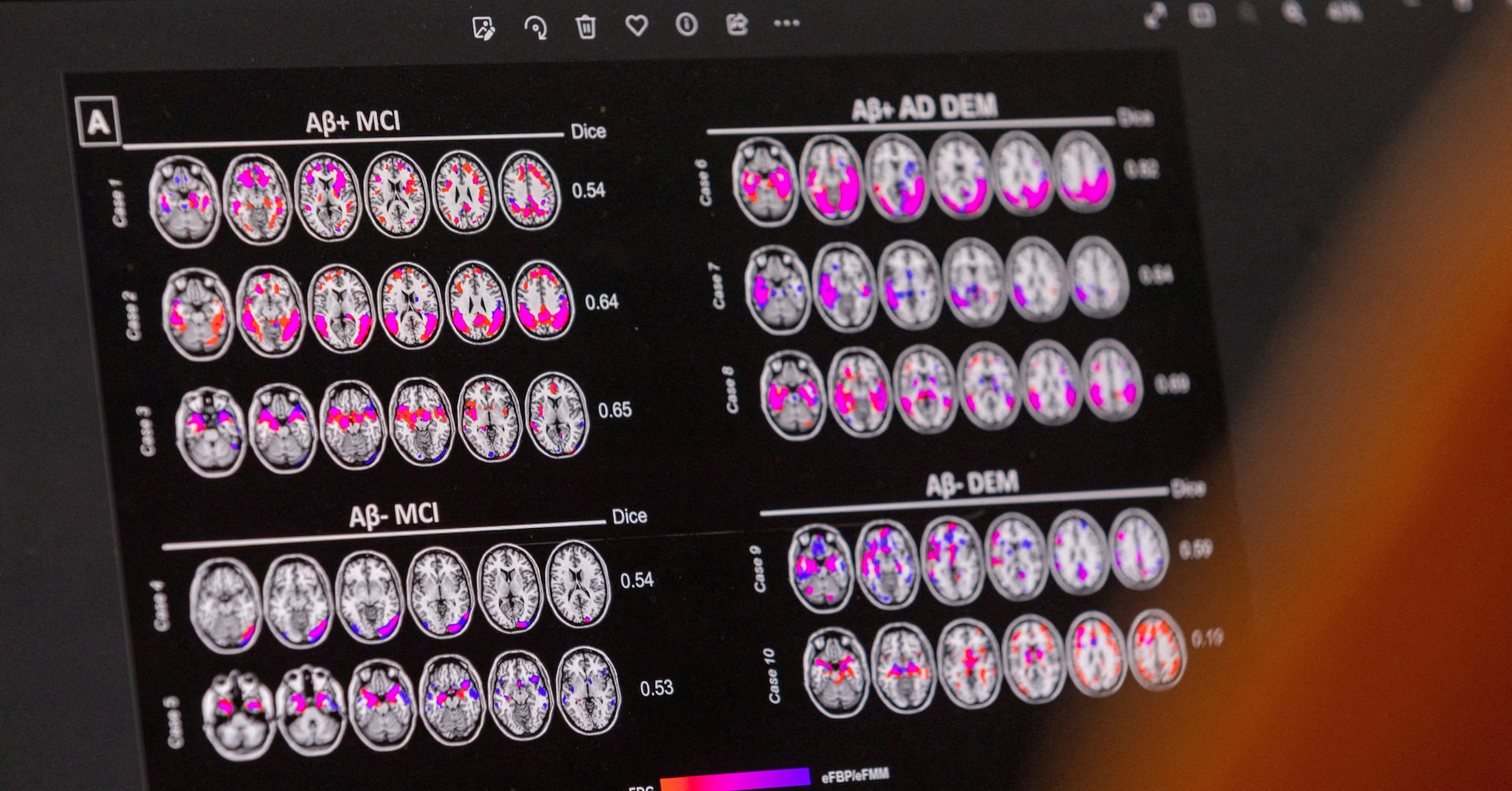
Novo Nordisk's stock dropped nearly 9% at the U.S. market open on Monday, Nov. 24, after the company said its EVOKE and EVOKE+ trials of oral semaglutide (Rybelsus) failed to slow the progression of Alzheimer's disease [1][2]. Shares recovered some ground but were still down 6% by mid-morning and closed the day down 5.8% [1][2].
The two phase 3 trials enrolled 3,808 patients ages 55 to 85 with mild cognitive impairment or mild dementia due to Alzheimer's, confirmed by amyloid testing [1]. The studies aimed for a 20% slowing of cognitive decline over two years, measured by a standard dementia rating scale, but did not hit that goal [2]. Novo said the drug did affect Alzheimer's-related biomarkers, though it did not specify which ones or provide numbers, saying full topline data will come Dec. 3 at a medical conference, with complete results in March 2026 [1][2]. Novo also said it would discontinue a planned one-year extension study tied to the trials [1].
The market reaction surprised many analysts because expectations for success were already low. UBS had estimated only a 10% probability the trials would succeed, and Novo itself had called the effort a "lottery ticket" months earlier [1][2]. Several analysts, including Simon Baker of Redburn Partners, called the stock drop an overreaction that could not be justified on fundamentals [1]. Sydbank analyst Soren Lontoft Hansen attributed the sharp move instead to broader negative sentiment around Novo's stock over the past year, suggesting investors may have hoped the trial would provide a rare piece of good news [1][2].
Erik Berg-Johnsen, a portfolio manager at Novo shareholder Storebrand Asset Management, said the decision to discontinue the extension study after two years "suggests that semaglutide offers virtually no benefit in slowing Alzheimer's progression" [2]. Novo CEO Mike Doustdar said in a video statement that "our efforts to slow down the progression of Alzheimer's disease have come to an end," adding that the company always knew the odds of success were low but felt a responsibility to test the drug given the lack of treatment options [2].
Why it matters for patients
This result concerns Rybelsus, the oral semaglutide pill approved only for type 2 diabetes, tested here for a use it is not approved for [2]. It does not change what Ozempic, Wegovy, or Rybelsus are approved to treat, and it does not affect current prescribing for diabetes or weight management. For people with Alzheimer's disease or mild cognitive impairment, semaglutide will not be a treatment option based on these results; the two approved drugs to slow Alzheimer's progression in the U.S. remain Leqembi (Eisai/Biogen) and Kisunla (Eli Lilly), both given by infusion or injection and both carrying risks of significant side effects [2]. The Alzheimer's Association said it was disappointed but noted that research into GLP-1 drugs for the brain will continue, since other drugs in the class may behave differently [2].
For investors, the episode adds to a difficult year for Novo Nordisk, which has seen slowing sales growth, a leadership change, mass layoffs, and a lost bidding war with Pfizer over the obesity biotech Metsera [1][2]. Eli Lilly, which has not tested its GLP-1 drug tirzepatide for Alzheimer's, saw its shares rise slightly on the news [2].
What happens next
Novo plans to release topline numbers from the EVOKE and EVOKE+ trials on Dec. 3, 2025, at the Clinical Trials in Alzheimer's Disease conference [1][2]. Full data are expected in March 2026 at the Alzheimer's and Parkinson's Diseases Conference in Copenhagen [1].
Images from the sources
Sources
Semaglutides.org is for information only and is not medical advice. Always talk to a licensed healthcare provider about your own care. Some links to telehealth services are affiliate links, labeled where they appear.