Off the Scales publishes the corporate history of Ozempic
A new book, Off the Scales, traces how semaglutide went from an overlooked scientist's hormone research to a drug reshaping health, business and beauty standards.
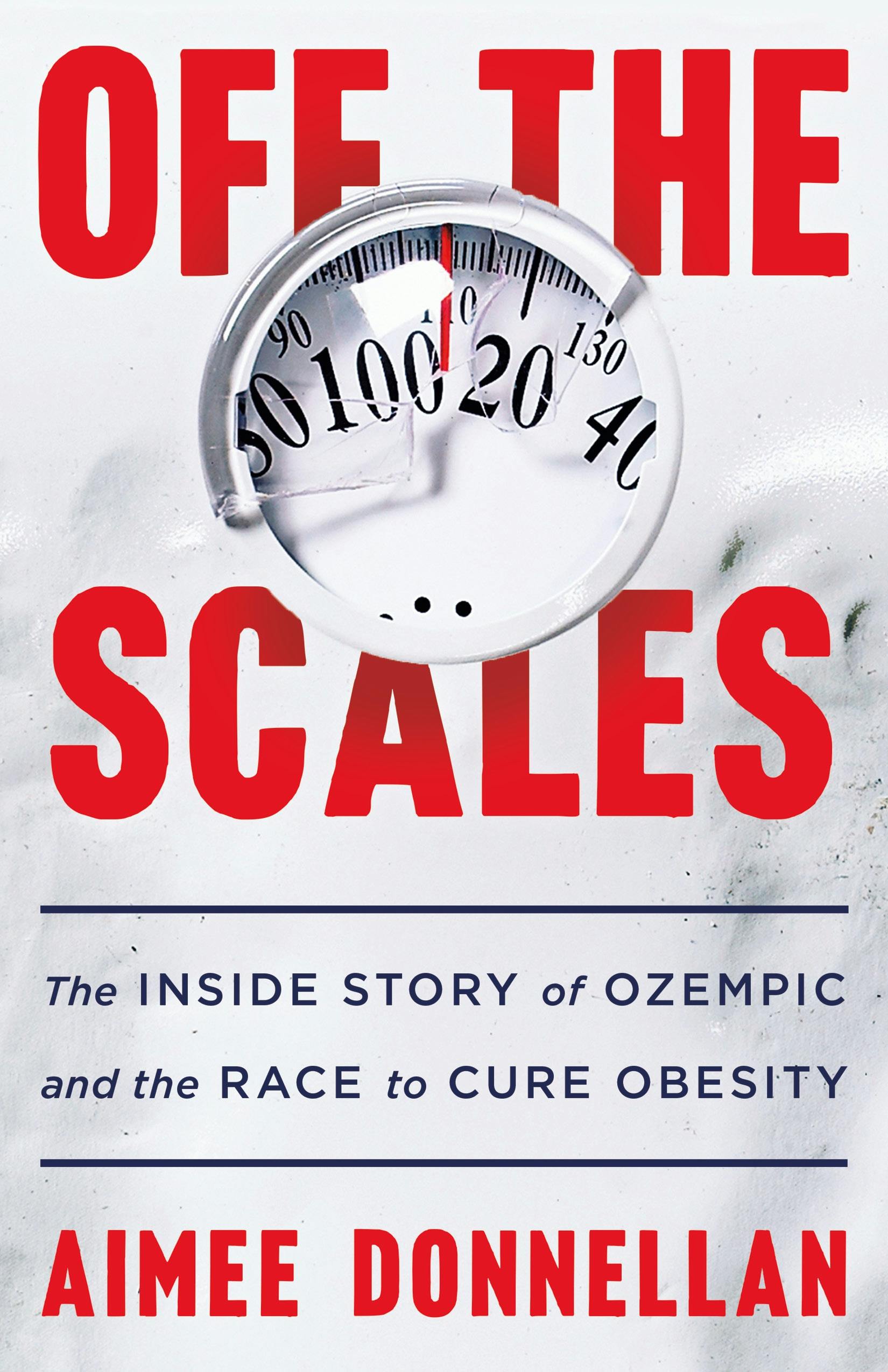
A new nonfiction book, "Off the Scales: The Inside Story of Ozempic and the Race to Cure Obesity," by Reuters journalist Aimee Donnellan, went on sale November 18 and lays out the science and business decisions behind semaglutide, the molecule sold as Ozempic, Wegovy and Rybelsus [1]. The 320-page book is published by St. Martin's Press [1]. It arrives alongside a wave of first-person GLP-1 memoirs, but takes a reporter's approach, drawing on original interviews with scientists, executives and patients [1].
The book centers on Svetlana Mojsov, a chemist who arrived at New York's Rockefeller University in 1972 and engineered a synthetic version of the natural hormone glucagon-like peptide, or GLP-1 [2]. According to the review, Mojsov worked at a time when obesity was widely treated as a matter of willpower rather than biology, and her research is now discussed as a possible future Nobel Prize contender [2]. Donnellan reports that Mojsov's contribution was largely overlooked while colleagues received more public credit, a dispute the book documents in detail [1].
The narrative then follows Danish drugmaker Novo Nordisk, which built on GLP-1 science to develop semaglutide as a diabetes treatment before discovering, in clinical trials, that it also caused participants to lose up to 20% of body weight [2]. That unexpected result, combined with celebrity endorsements such as Oprah Winfrey's public comments about using the drug, helped drive demand that made Novo Nordisk, in the reviewer's words, more valuable than the entire economy of Norway [2]. Publisher marketing material similarly describes Ozempic as reshaping industries "from healthcare to fast food to fashion" and estimates that a long-term treatment for obesity could help prevent illness in a share of American adults, though the publisher's estimate of 40 percent is presented as promotional framing rather than a clinical finding [1].
The book does not treat GLP-1 drugs as an unqualified good. It addresses side effects such as severe nausea and describes use of the drugs by people who are neither obese nor diabetic, which the review says may carry its own health risks [2]. Reader reviews on Goodreads are mixed: one called it "an interesting look at the discovery of the revolutionary GLP-1 drugs" from a nurse's perspective who has seen both dramatic benefits and gastrointestinal side effects in patients [1], while another reviewer wished the book had gone deeper into the cultural impact and stigma issues rather than focusing so heavily on discovery [1].
Why it matters for patients
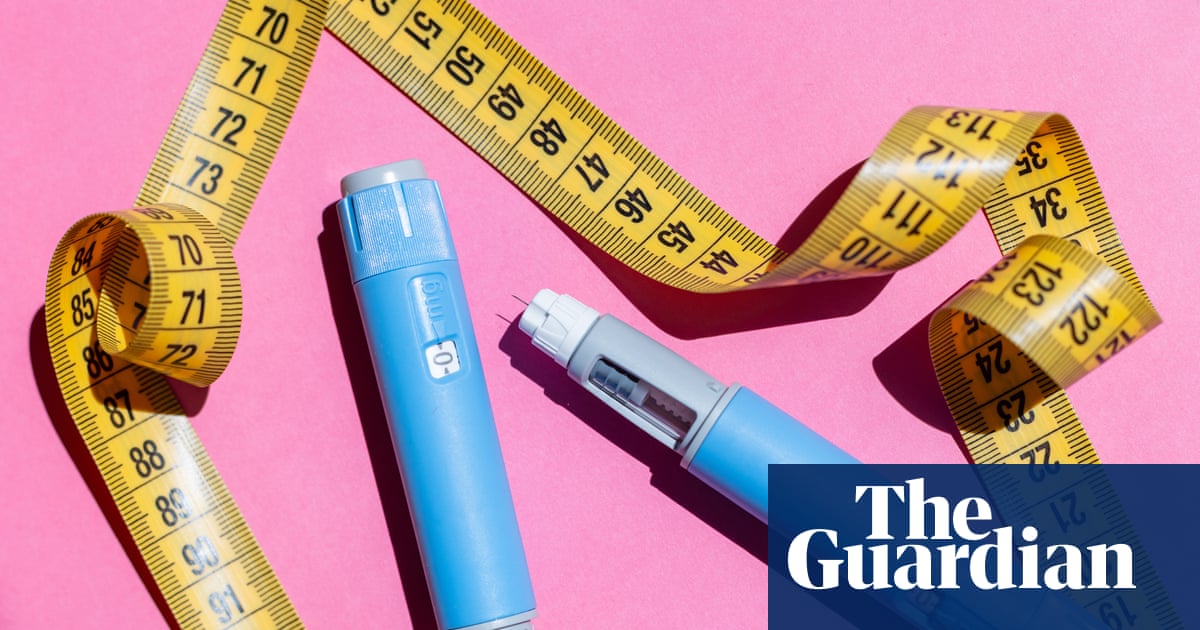
For people already taking or considering semaglutide, tirzepatide or other GLP-1 drugs, this book is less about new medical evidence and more about context. It traces how a diabetes drug came to be marketed for weight loss, how scientific credit and profit were distributed unevenly, and how cultural pressure around appearance shaped who sought the drug and why [2]. The Guardian review describes one case study, a 34-year-old marketing executive identified as "Sarah," whose career opportunities appeared to change after she lost weight on Ozempic, despite no change in her job performance — a story the reviewer uses to illustrate how weight-based bias can follow patients even after treatment [2].
The book also flags an open scientific question relevant to patients: researchers still do not fully understand why GLP-1 drugs suppress appetite so effectively, beyond noting that GLP-1 receptors exist in the brain [2]. That gap matters because it shapes ongoing debate about whether these drugs might eventually be studied for other conditions involving craving or compulsive behavior, a possibility the review raises without resolving [2].
What happens next
The book went on sale November 18, 2025 [1]. Reviews have appeared in outlets including the Washington Post, Wall Street Journal, Washington Examiner, The Lancet and The Guardian, with the Times of London review noting that "the story of Ozempic has only just begun," suggesting more reporting and scientific findings are expected as GLP-1 use continues to expand [1].
Images from the sources
Sources
Semaglutides.org is for information only and is not medical advice. Always talk to a licensed healthcare provider about your own care. Some links to telehealth services are affiliate links, labeled where they appear.