Sandoz signals unbranded semaglutide for Canada by mid-2026
Sandoz expects to sell unbranded semaglutide in Canada by mid-2026 after Novo Nordisk's Canadian patent lapses, but the same copies remain barred from the US market until 2032.
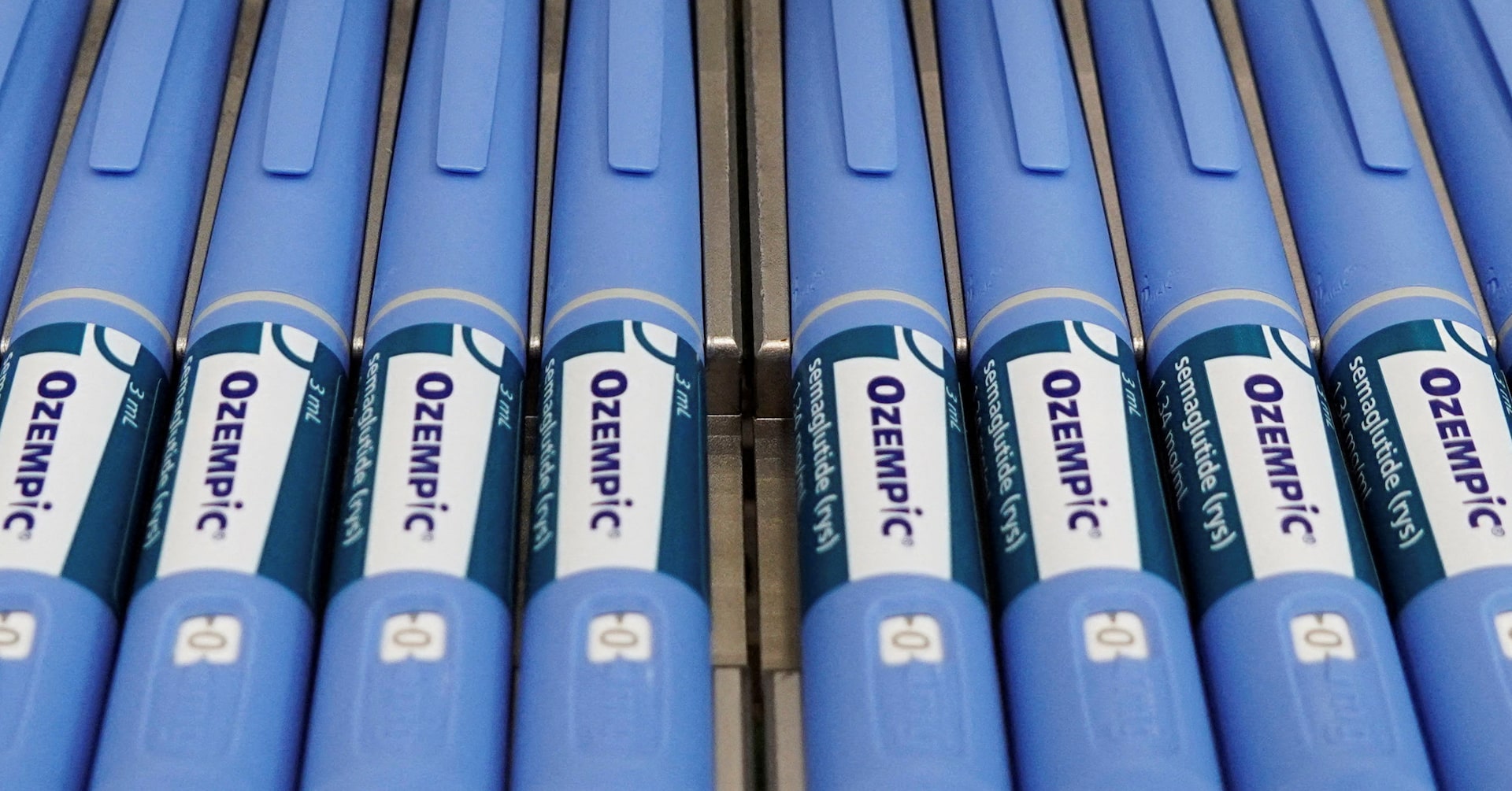
Sandoz, a generic drugmaker, expects to launch unbranded versions of Novo Nordisk's diabetes drug Ozempic in Canada by the end of June 2026, according to Chief Executive Richard Saynor [1]. The move follows the expiration of Novo Nordisk's Canadian patent on semaglutide, the active ingredient in Ozempic, for diabetes use starting in January [1]. No biosimilar versions have been approved yet, but the regulatory process is underway for Sandoz, and Saynor said an actual launch by January is unlikely, putting the more realistic window in the first or second quarter of 2026 [1].
Semaglutide is the same molecule used in Wegovy, Novo Nordisk's weight-loss injection, and Saynor noted that Ozempic is sometimes used as an off-label substitute for that purpose [1]. He said Canada would serve as "a testing ground" for unbranded semaglutide, but cautioned that Sandoz's initial plans are limited to diabetes patients, not weight loss [1]. "This is a 10, 15-year journey. Everyone's super excited because of Canada. But Canada is just one market," he said [1].
The timeline is notably different in the United States. Novo Nordisk's U.S. patents covering both Ozempic and Wegovy do not expire until 2032 [1]. Novo Nordisk also loses key semaglutide patents in other countries starting next year, including India and China, according to the report [1]. Saynor said he expects demand for unbranded GLP-1 medicines to outstrip supply once they reach the market, similar to the shortages that have affected Novo Nordisk's and Eli Lilly's branded products in recent years. "I genuinely think the product will be constrained. I don't think there is enough capacity," he said [1]. Sandoz has not given sales forecasts, and Saynor described semaglutide as a complicated product to manufacture and distribute, citing cold-chain storage, transport logistics, and its delivery via injector device [1].
Why it matters for patients
For patients in the United States, this development does not change access or pricing in the near term. Sandoz's unbranded product is being developed specifically for the Canadian market, and U.S. patent protection for both Ozempic and Wegovy remains in place until 2032 [1]. Some Americans already obtain prescription medicines from Canada because they tend to be cheaper there, and the report notes that low-cost Ozempic copies entering Canada could raise U.S. regulatory questions about cross-border biosimilar imports [1]. Saynor said he has "no desire to be litigated by an originator for trying to sell off-label or off-country," signaling that Sandoz is not positioning this product for the U.S. market [1].
The report also comes shortly after Novo Nordisk and Eli Lilly reached separate agreements last week to lower GLP-1 drug prices and secure Medicare coverage in the U.S., according to the article [1]. Those agreements are a distinct development from the Canadian patent expiration and operate on their own terms; the sources here do not detail their specifics beyond noting they occurred.
What happens next
Novo Nordisk's Canadian patent for semaglutide used in diabetes treatment is set to expire in January 2026 [1]. Sandoz anticipates its unbranded version could launch in Canada sometime in the first or second quarter of 2026, with an end-of-June target date [1]. No biosimilar semaglutide products have been approved in Canada as of the report, though Sandoz's regulatory application is in progress [1]. Novo Nordisk's other patent expirations, including in India and China, also begin next year [1]. In the United States, semaglutide patent protection for Ozempic and Wegovy is expected to remain until 2032 [1], meaning any similar unbranded competition in the U.S. market is not yet known to be on a comparable near-term timeline.
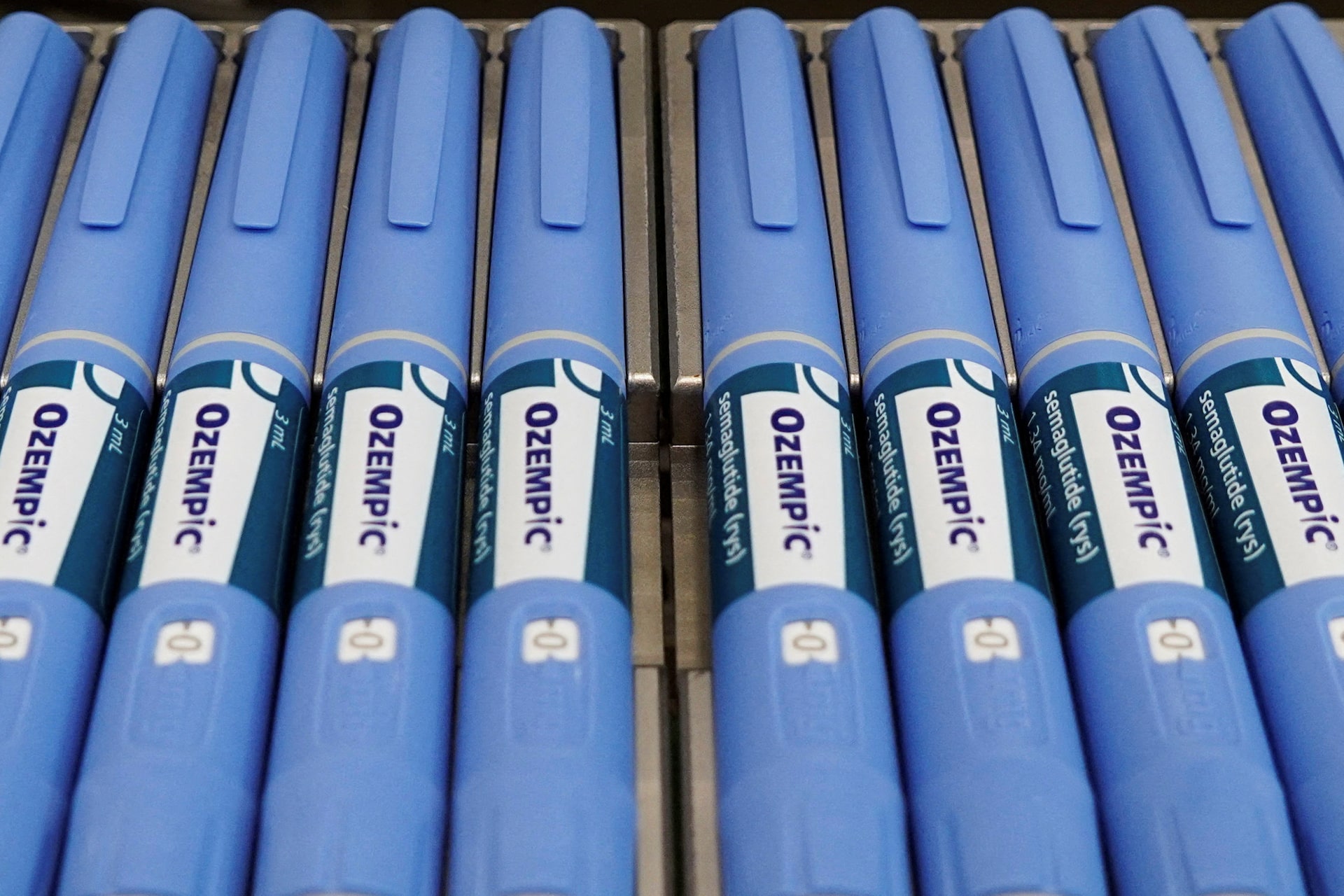
Images from the sources
Sources
Semaglutides.org is for information only and is not medical advice. Always talk to a licensed healthcare provider about your own care. Some links to telehealth services are affiliate links, labeled where they appear.