CMS unveils the BALANCE model for GLP-1 coverage in Medicaid and Part D
CMS created a voluntary five-year model that negotiates GLP-1 prices for state Medicaid programs and Medicare Part D plans, with a $50 monthly Medicare cost cited at launch — but coverage is not guaranteed for any one person.
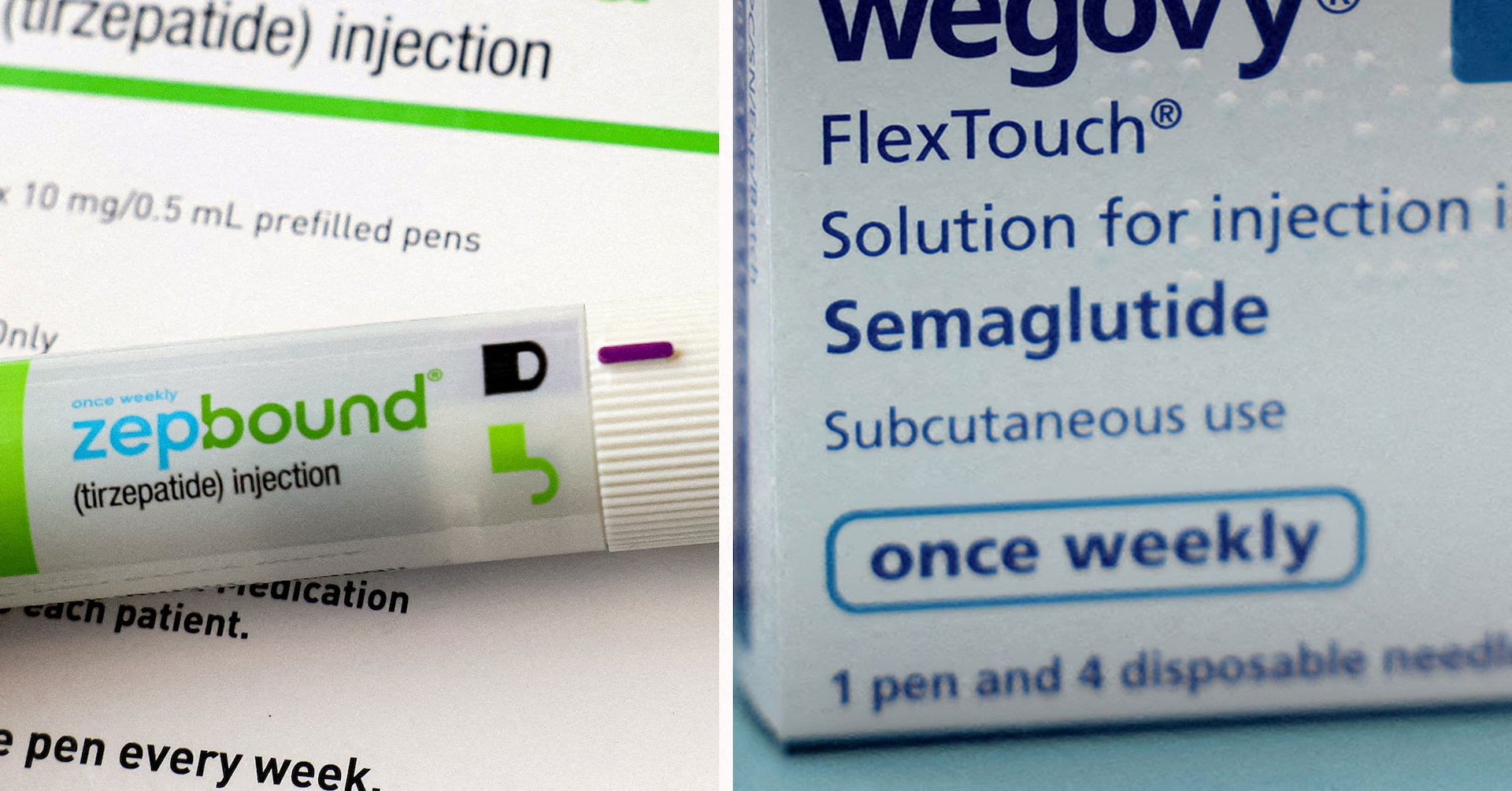
The Centers for Medicare & Medicaid Services on December 23, 2025 announced BALANCE — short for Better Approaches to Lifestyle and Nutrition for Comprehensive hEalth — a voluntary program under which the agency negotiates GLP-1 prices and coverage terms directly with drugmakers on behalf of state Medicaid agencies and Medicare Part D plan sponsors [1][2]. CMS also announced a separate short-term Medicare demonstration, called the Medicare GLP-1 Bridge, to give Part D beneficiaries earlier access at administration-negotiated prices [1][2].
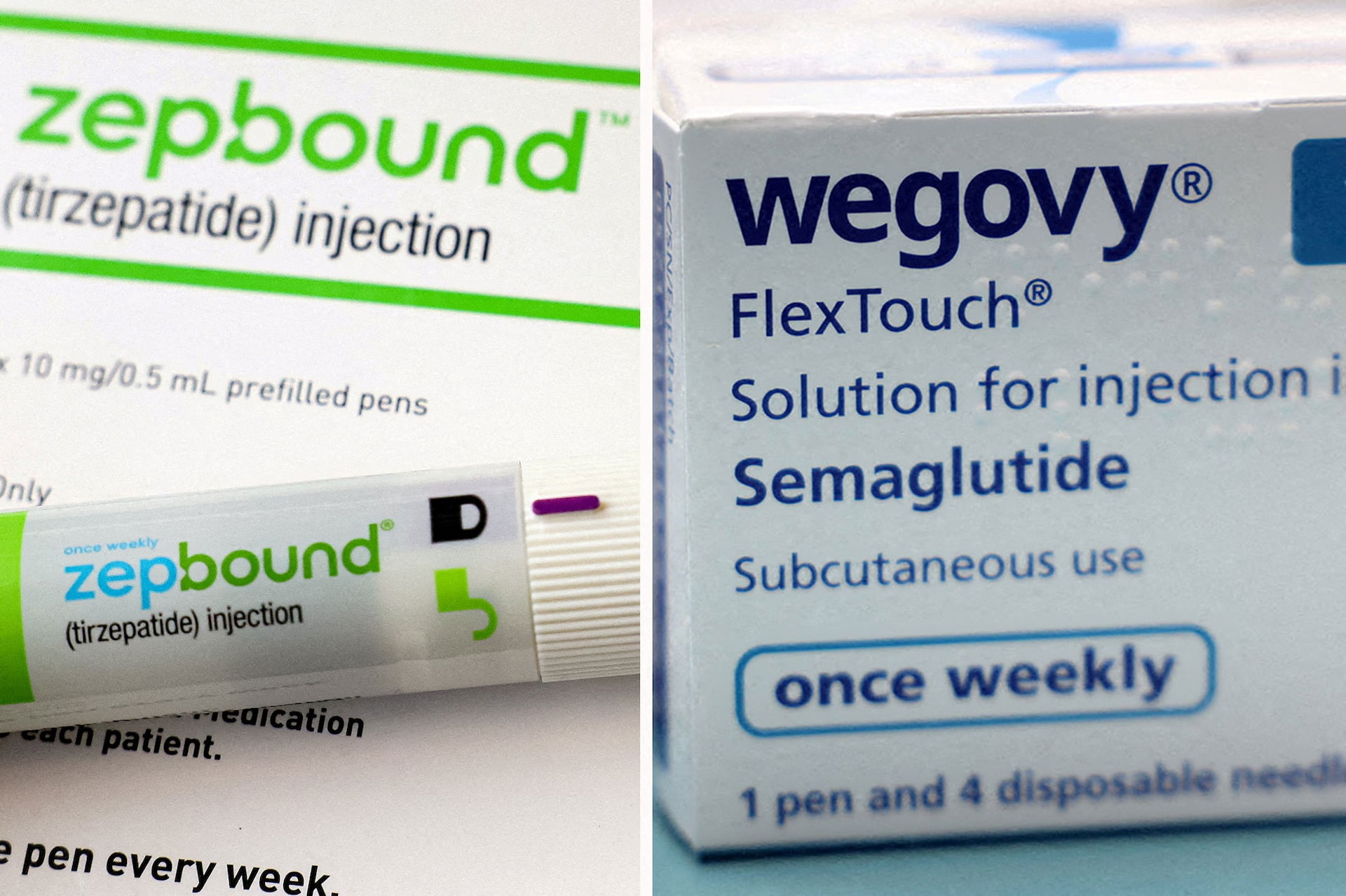
The model runs through the CMS Innovation Center under Section 1115A of the Social Security Act and is designed as a five-year test [2][3]. Participation is voluntary for manufacturers, states and plans [1][2]. CMS said states can join beginning in May 2026 through January 1, 2027, and that the Medicare Bridge would run from July 1, 2026 [2]. Reuters reported that eligible Medicare beneficiaries would pay $50 for a month's supply of GLP-1 drugs, including Wegovy (semaglutide) and Zepbound (tirzepatide) [1].
What drugs and which patients
CMS lists the covered products as all formulations of Mounjaro, Ozempic, Rybelsus and Wegovy, the KwikPen formulation of Zepbound, and Foundayo (orforglipron) — for currently covered uses such as type 2 diabetes as well as for weight management [2]. To be eligible, a product must act on the GLP-1, GIP or glucagon receptor and have clinical evidence that, at an FDA-approved dose, it cuts body weight by at least 9.5% on average in a randomized trial [2].
CMS is blunt that access is conditional. Coverage in Medicaid "will depend on participation by drug manufacturers and states," patients must meet qualifications set in the negotiations, including prior authorization requirements, and "this model will not guarantee coverage for any individual" [2]. Medicaid patients who do get a GLP-1 for weight management under BALANCE are to be offered a manufacturer-funded lifestyle support program at no cost, available during and after drug treatment [2].
The model builds on the November 2025 agreement between the Trump administration, Eli Lilly and Novo Nordisk. Under that deal, oral weight-loss pills were priced at $149 per month for the government's Medicare and Medicaid enrollees and for cash payers, while currently available injectable GLP-1s would fall to $245 per month for Medicare and Medicaid patients [1].
The sources are not fully consistent on Medicare timing. Reuters and KFF both described BALANCE starting in Part D in January 2027 [1][3]. The CMS model page, as later updated, states the Medicare GLP-1 Bridge has been extended through December 31, 2027, and answers a question about "the BALANCE Model not launching in Medicare in 2027," saying the extension lets CMS collect more GLP-1 utilization data for Part D sponsors ahead of possible implementation [2].
Why it matters for patients
Coverage today is patchy. Medicare is prohibited under current law from covering GLP-1s for obesity, and state Medicaid programs may exclude weight-loss drugs, though they must cover these medicines for diabetes and for the approved cardiovascular (Wegovy) and sleep apnea (Zepbound) indications [3]. As of January 2026, only 13 state Medicaid programs covered GLP-1s for obesity treatment under fee-for-service, after California, New Hampshire, Pennsylvania and South Carolina dropped coverage and North Carolina reinstated it [3].
That means whether BALANCE changes anything for a given person depends on three separate decisions: whether the manufacturer joins, whether the person's state or Part D plan joins, and whether the person meets negotiated clinical criteria and prior authorization rules [2]. KFF also notes the announcements do not change costs for Medicaid enrollees directly, since they already pay little or no copay for prescriptions — the barrier is whether the drug is covered at all [3].
What happens next
States and manufacturers were asked to submit intentions to participate by January 8, 2026 [3]. Medicaid coverage under BALANCE can begin as early as May 2026, with states able to join through January 1, 2027 [2]. The Medicare GLP-1 Bridge starts July 1, 2026 and, per CMS, now runs through December 31, 2027 [2]. How many states and plans sign on has not yet been reported in these sources.
Images from the sources
Sources
Semaglutides.org is for information only and is not medical advice. Always talk to a licensed healthcare provider about your own care. Some links to telehealth services are affiliate links, labeled where they appear.