JPML creates MDL 3163 on Eli Lilly's motion, declining to merge it with MDL 3094
A federal panel on Dec. 15, 2025 created a new MDL for 21 lawsuits claiming Ozempic, Wegovy, Saxenda and Trulicity caused a form of sudden vision loss, keeping them separate from the existing GLP-1 stomach-injury litigation.
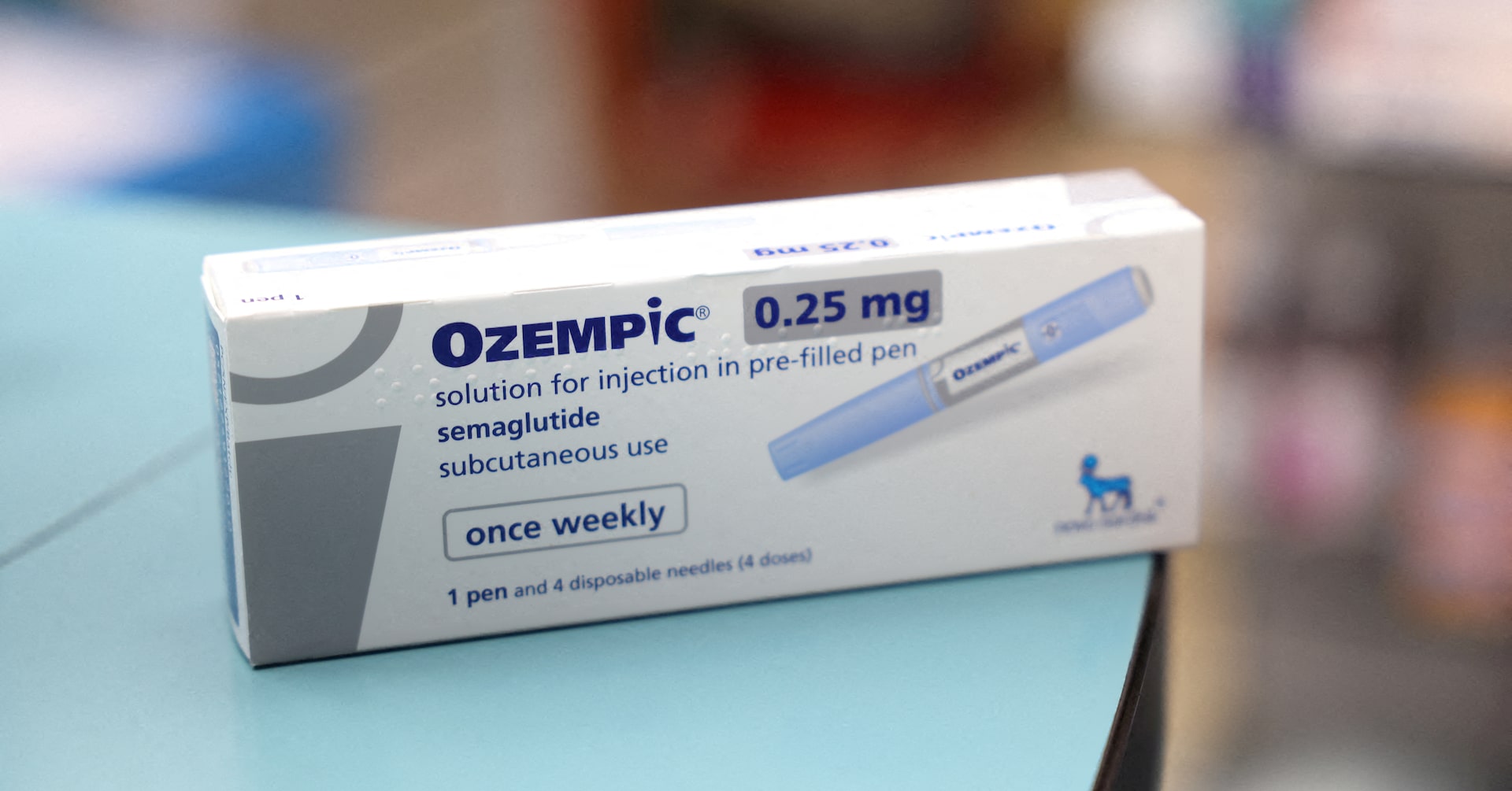
The U.S. Judicial Panel on Multidistrict Litigation ruled on December 15, 2025 to centralize 21 federal lawsuits alleging that GLP-1 drugs caused non-arteritic anterior ischemic optic neuropathy (NAION), a type of sudden vision loss [1]. The cases go to the Eastern District of Pennsylvania before U.S. District Judge Karen S. Marston as MDL No. 3163 — but as their own proceeding, not folded into the larger GLP-1 litigation she already oversees [1][2].
The motion came from Eli Lilly, which asked the Panel either to centralize the NAION cases in the Eastern District of Pennsylvania or, alternatively, to move them into MDL No. 3094, the existing GLP-1 products liability litigation over gastrointestinal injuries [1]. Novo Nordisk A/S and Novo Nordisk Inc. backed Lilly's choice of district [1]. Plaintiffs unanimously asked for the District of New Jersey [1]. In the end, the Panel gave each side part of what it wanted: the defendants' preferred court, and the plaintiffs' preferred structure of a stand-alone MDL [1][2].
What the order actually says
The 21 actions were pending in three districts — 17 in New Jersey, two in the Eastern District of Pennsylvania and one in the Northern District of Texas, per the schedule attached to the order [1]. The Panel said it had also been notified of nine related actions that could be added later as "tag-alongs" [1].
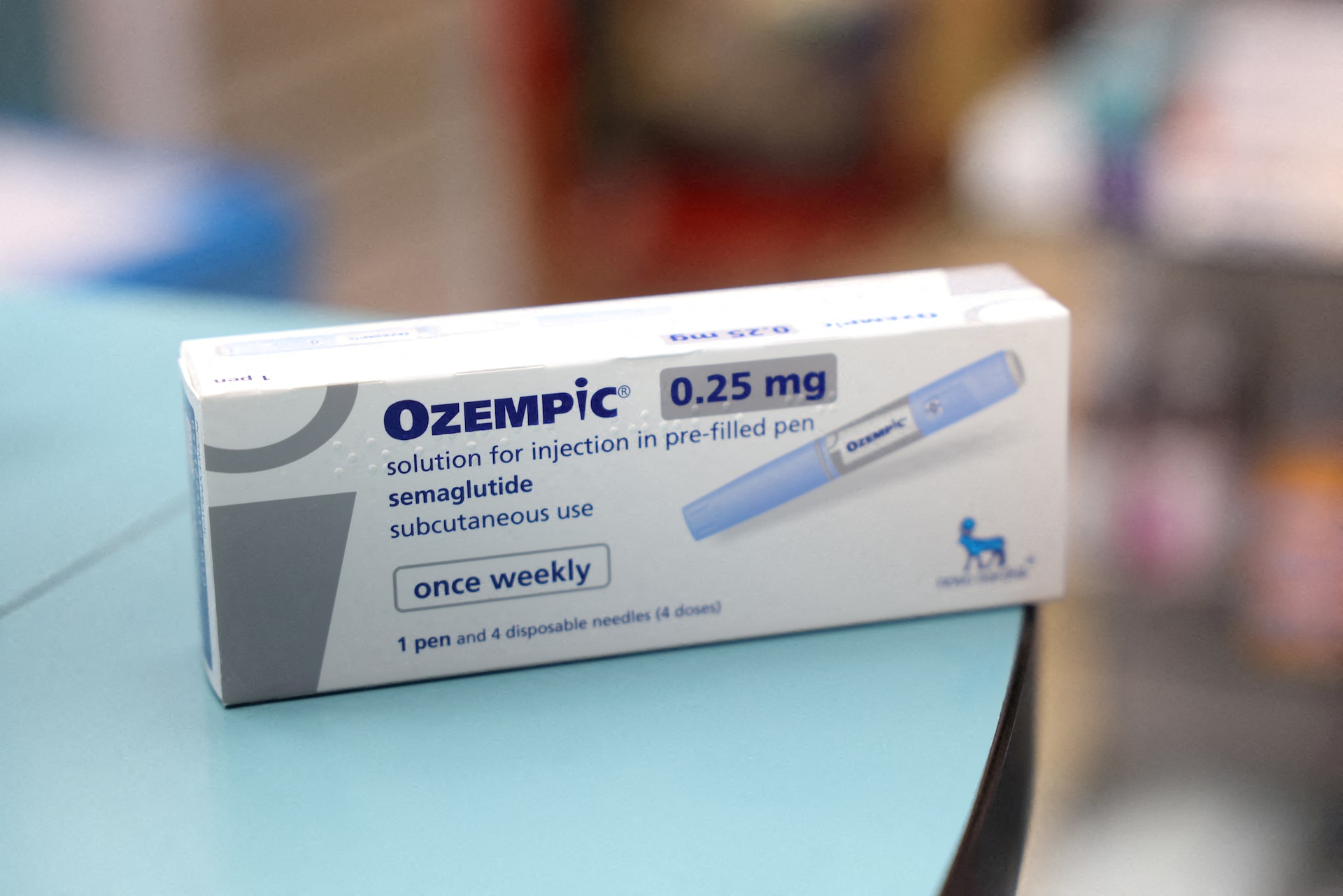
The order names the drugs at issue as Novo Nordisk's Ozempic, Wegovy and Saxenda and Eli Lilly's Trulicity [1][2]. Ozempic and Wegovy are semaglutide. Plaintiffs bring what the Panel called "substantially identical claims for failure to warn, design defect, and breach of warranties," with common factual questions about the products' development, testing, regulatory history, promotion and labeling, and their "capacity to cause NAION" [1].
Importantly, the Panel's refusal to merge the NAION cases into MDL 3094 was about docket management, not a finding about the science. It said a separate MDL "will allow Judge Marston to determine the appropriate level of coordination between the litigations, make tracking of cases easier, and facilitate orderly docketing in each MDL," citing its 2022 decision creating a separate MDL for Taxotere eye injuries alongside an existing Taxotere hair-loss MDL [1]. The Panel acknowledged "substantial overlap" between the two GLP-1 litigations — same defendants, largely the same lawyers, and some plaintiffs who allege both gastrointestinal injuries and NAION [1].
One case was left out. The plaintiff in Garcia v. Eli Lilly, No. 2:25-cv-04537, amended his complaint to drop vision-loss allegations and now claims only gastrointestinal injuries, so the Panel denied centralization as to that action [1].
The numbers around it
Reuters reported that about 30 optic neuropathy lawsuits are pending in federal court and more than 40 in state court, and that the filings began after a July 2024 study described a potential NAION risk associated with the drugs [2]. By comparison, the gastroparesis MDL before Judge Marston — centralized in February 2024 — holds nearly 3,000 lawsuits [2]. NAION occurs when blood flow to the optic nerve is blocked or reduced, which can lead to blindness [2].
Novo Nordisk and Eli Lilly have disputed both the gastroparesis and optic neuropathy claims, arguing in court filings that they cannot change the drugs' design without FDA approval [2]. Company representatives did not immediately respond to Reuters' requests for comment on the order [2].
Why it matters for patients
An MDL is a case-management step. It does not decide whether these drugs cause NAION, and nothing in the December 15 order finds that they do [1]. What it does is pull scattered federal suits before one judge so discovery, expert challenges and preemption rulings happen once instead of dozens of times [1].
For people taking these medicines, the practical near-term effect is visibility: consolidated litigation tends to surface internal company documents and expert testimony over time. Labeling is set by the FDA, not by the Panel, and the order does not change any prescribing information. Whether Mounjaro or Zepbound (tirzepatide) cases could be added later is not addressed in the order, which names only Ozempic, Wegovy, Saxenda and Trulicity [1].
What happens next
Judge Marston will set the initial schedule and decide how much the two GLP-1 MDLs coordinate [1]. The nine noticed related actions, and any future federal NAION cases, can be transferred in as tag-alongs under the Panel's rules [1]. No trial dates have been set in the new MDL.
Images from the sources
Sources
Semaglutides.org is for information only and is not medical advice. Always talk to a licensed healthcare provider about your own care. Some links to telehealth services are affiliate links, labeled where they appear.