Lilly and Novo Nordisk both cut weight-loss drug prices in China
Novo Nordisk and Eli Lilly slashed list prices for Wegovy and Mounjaro in parts of China at year's end, the first major discounting there, as homegrown rivals and a looming patent expiration squeeze the market.
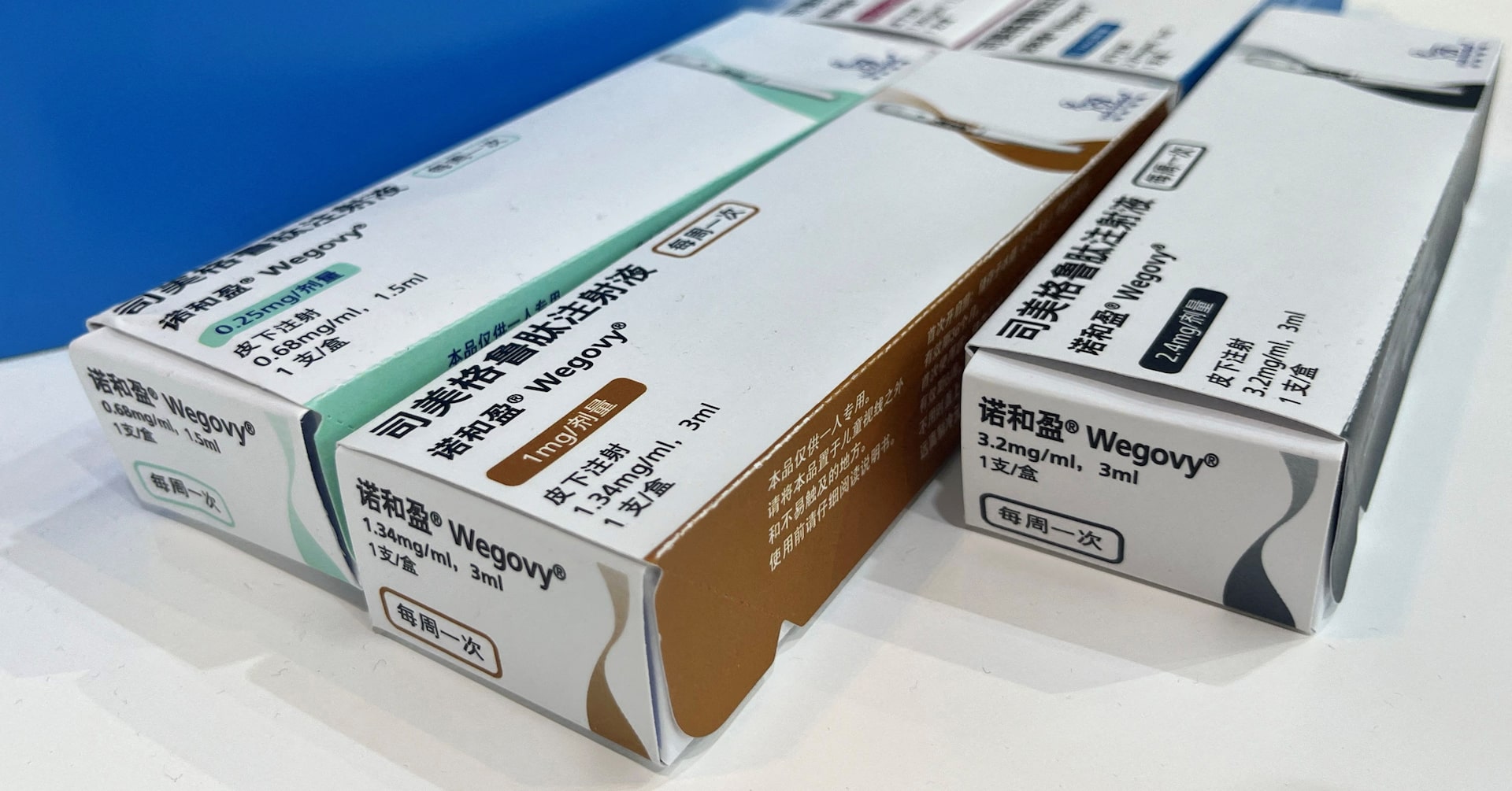
Novo Nordisk and Eli Lilly have cut prices for their weight-loss drugs in China, marking the first significant round of discounting in that market [1]. The moves come as both companies face growing competition from Chinese drugmakers and the approaching expiration of a key patent.
According to Chinese media reports cited by Reuters, Novo cut list prices for the two highest dosages of Wegovy by 48% in some provinces, including Yunnan and Sichuan, bringing them down to 987 yuan (about $141) and 1,284 yuan per month [1]. Novo confirmed to Reuters that it is "adjusting our prices of Wegovy in China," saying the change would "help alleviate the treatment burden for patients and improve their quality of life" [1].
Lilly's Mounjaro is also getting cheaper starting January 1, according to a WeChat post from a hospital in Nanjing, though the exact size of the cut was not disclosed [1]. Separately, a listing on the Chinese delivery platform Meituan showed a 10mg Mounjaro injector pen priced at around 445 yuan ($63), down from 2,180 yuan [1]. Lilly did not immediately respond to Reuters' request for comment [1].
The price cuts follow a similar move in India, where Novo lowered Wegovy prices by up to 37% in November as it tries to gain ground in another large, fast-growing market for obesity drugs [1]. That same month, Novo and Lilly also agreed to cut prices in the United States as both companies shift toward reaching more cash-paying consumers [1].
Why it matters for patients
These cuts apply to prices in China, not the United States, so American patients won't see their own Wegovy or Mounjaro costs change because of this news. But the pattern is notable: Novo and Lilly have now lowered list prices in India, the U.S., and China within a two-month stretch, all markets where they face new competitive or political pressure [1]. That suggests the companies are willing to move prices when competition or negotiation pushes them to, which could matter for how future U.S. pricing conversations play out, though the sources do not say whether the China cuts will influence U.S. list prices.
The China cuts are also a sign of how crowded the obesity-drug market is becoming worldwide. China's population of about 1.4 billion is a major growth opportunity, with projections that more than 65% of people there could be overweight or obese by 2030 [1]. Domestic drugmakers such as Innovent Biologics are already competing for that market, and companies including CSPC Pharmaceutical Group and Hangzhou Jiuyuan Genetic Biopharmaceutical are developing their own versions of semaglutide [1]. For U.S. patients, this kind of intensifying global competition is one of the underlying forces that can eventually affect drug supply, company investment priorities, and pricing strategy, even if the direct effects show up first overseas.
What happens next
Lilly's Mounjaro price cuts in China are set to take effect January 1 [1]. Novo's patent on semaglutide, the active ingredient in Wegovy and Ozempic, is due to expire in China in 2026, along with expirations in other major markets, which is expected to open the door to more copycat competition [1]. The sources do not indicate whether additional price cuts are planned in China or elsewhere, or whether the China discounts will affect pricing decisions in the U.S. market.
Images from the sources
Sources
Semaglutides.org is for information only and is not medical advice. Always talk to a licensed healthcare provider about your own care. Some links to telehealth services are affiliate links, labeled where they appear.