China adds Mounjaro to its state insurance list for diabetes
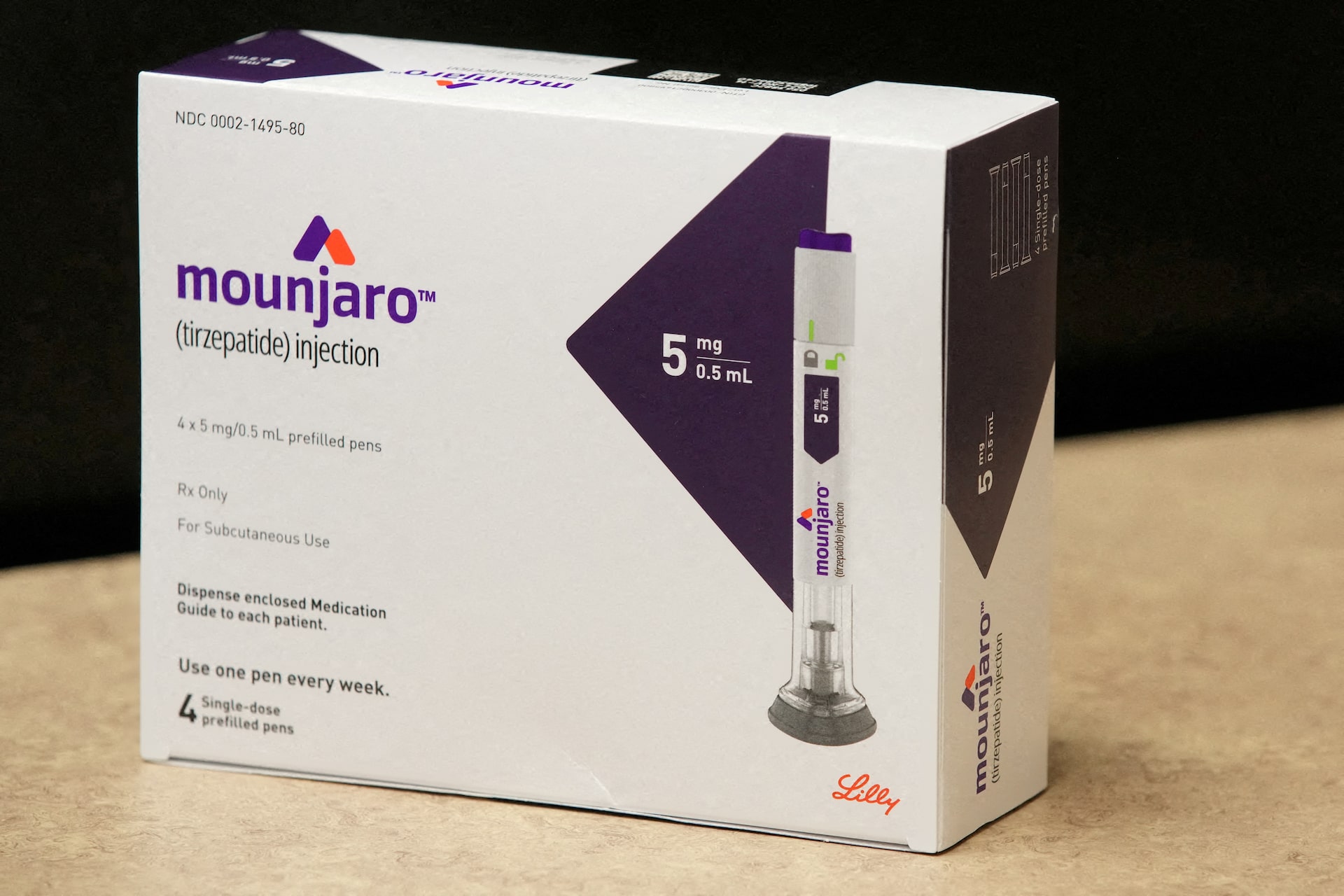
China will add Eli Lilly's Mounjaro to its national insurance list for type 2 diabetes starting January 1, a move that lowers prices and could reshape global GLP-1 competition, though it doesn't change access or cost for US patients directly.[1]
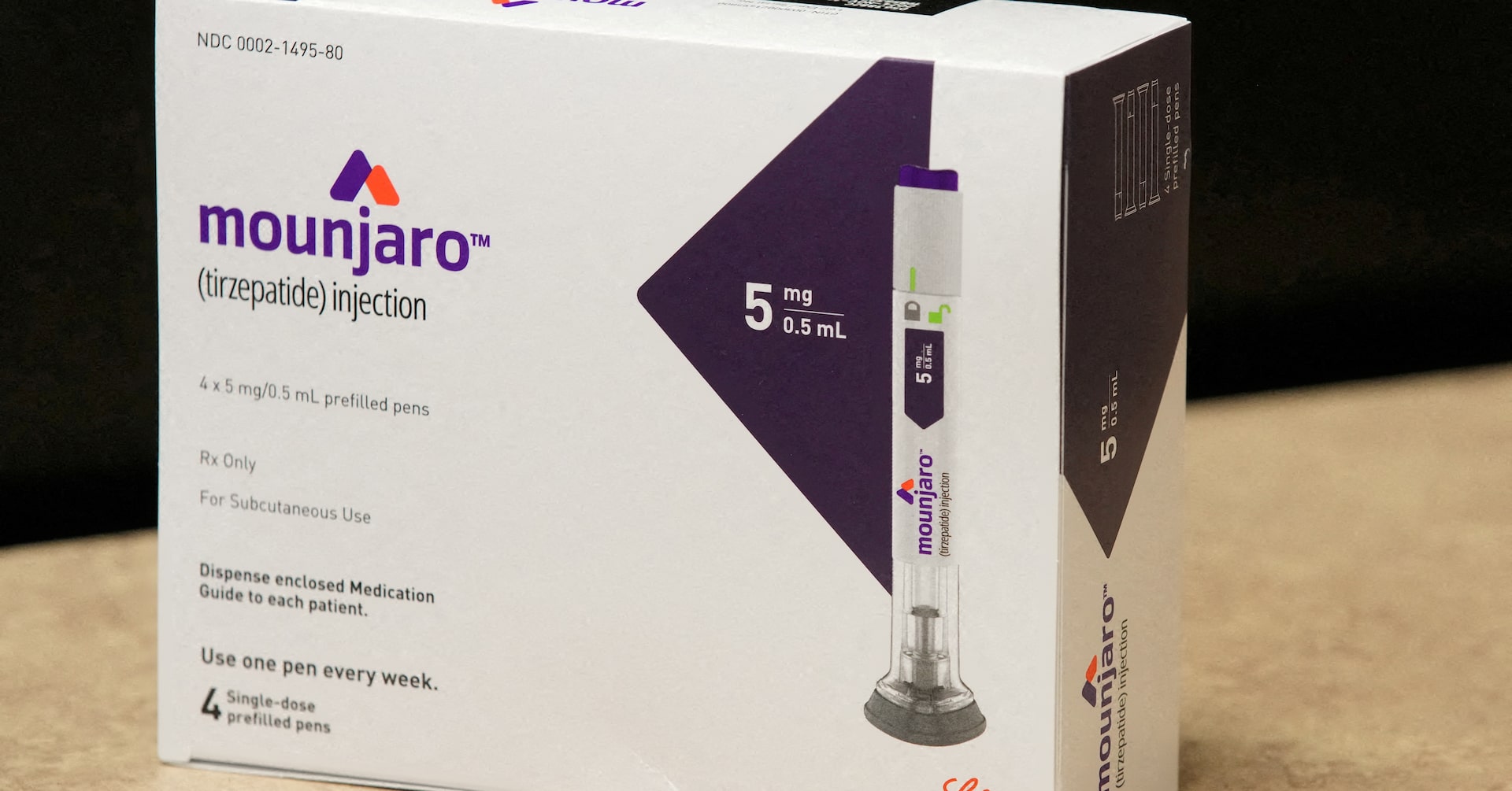
China's National Healthcare Security Administration said Mounjaro, Eli Lilly's tirzepatide drug, will join the country's state-run health insurance scheme for type 2 diabetes patients starting January 1, 2026.[1] The listing follows a familiar pattern in China's drug market: getting on the national reimbursement list means a company must agree to deep price cuts in exchange for access to a much larger pool of buyers in a country of 1.4 billion people.[1]
Mounjaro launched in China in January 2025, four years after Novo Nordisk's Ozempic arrived there in 2021.[1] Ozempic was added to China's reimbursement list in 2022, and sales of Ozempic in the greater China region reached 5.76 billion Danish crowns, or about $898.5 million, in 2024, according to Novo's annual report.[1] Lilly said the final reimbursement price for Mounjaro will be set by China's insurance administration, which did not immediately respond to a request for pricing details.[1]
Analysts expect the move to shake up competition. Macquarie Capital said Mounjaro could take market share from both Novo Nordisk and Innovent Biologics, a Chinese company that sells its own GLP-1 drug, mazdutide, for diabetes and obesity.[1] Tony Ren, head of Asia healthcare research at Macquarie Capital, told Reuters that even though the reimbursement covers diabetes only, "Chinese patients are too smart. Tirzepatide will be used off-label for obesity."[1] Mounjaro is separately sold for obesity and obstructive sleep apnea in China outside this diabetes-specific listing.[1]
Cui Cui, head of Asia healthcare at Jefferies, said the price cut tied to Mounjaro's reimbursement listing is likely to reshape pricing for GLP-1 drugs across the board in China, which could pressure the price of Innovent's mazdutide as well.[1] Shares of Innovent Biologics fell about 7% on the Monday the news broke.[1]
Why it matters for patients
This policy change affects China's insurance system, not US insurance or pricing for Mounjaro, Zepbound, Ozempic, Wegovy, or other GLP-1 drugs sold in the United States. US patients won't see a direct change in their coverage or out-of-pocket costs because of this listing.
Still, the news offers a window into how GLP-1 drugmakers compete for share in the world's largest markets outside the US. Eli Lilly's international president, Patrik Jonsson, said on an October earnings call that the company saw "initial stocking" in markets where Mounjaro had recently launched outside the US, including China, Brazil, Mexico and India, with a further lift in sales in those markets in the third quarter.[1] Broader international demand and pricing dynamics can shape how much manufacturing capacity companies devote to different regions, which has mattered for US supply in the past when shortages occurred.
The China listing also illustrates a recurring tension in GLP-1 markets worldwide: broader insurance access typically comes paired with government-negotiated price cuts. Whether or how that dynamic could eventually influence US pricing negotiations, drug supply decisions, or competitive positioning between tirzepatide and semaglutide products is not addressed in the available reporting.
What happens next
Mounjaro's inclusion in China's national reimbursement list for type 2 diabetes takes effect January 1, 2026.[1] The exact reimbursement price has not yet been officially announced by China's National Healthcare Security Administration.[1] It is not yet known from available reporting whether or how this move will affect Eli Lilly's US pricing, manufacturing allocation, or the competitive landscape for tirzepatide and semaglutide products sold domestically.
Images from the sources
Sources
Semaglutides.org is for information only and is not medical advice. Always talk to a licensed healthcare provider about your own care. Some links to telehealth services are affiliate links, labeled where they appear.