MHRA strengthens pancreatitis warnings for tirzepatide and the whole incretin class
The UK's MHRA added warnings about rare necrotizing and fatal acute pancreatitis to the labels of all GLP-1 and GLP-1/GIP drugs, including semaglutide and tirzepatide, on January 29, 2026.
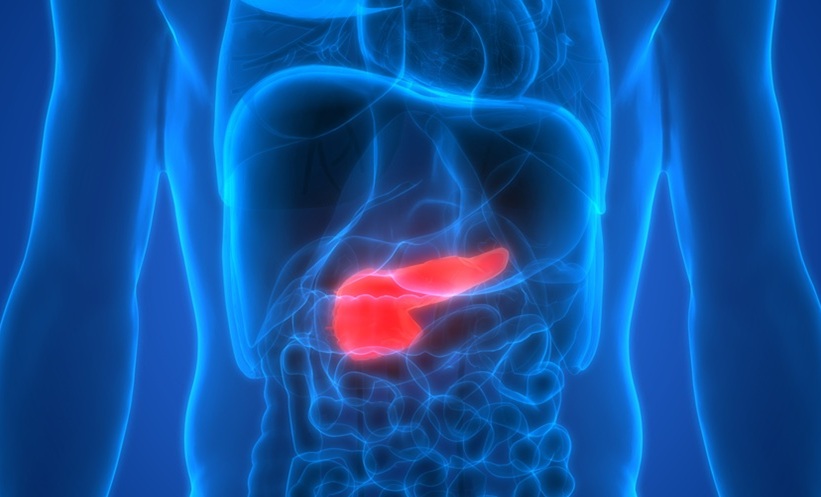
The UK's Medicines and Healthcare products Regulatory Agency (MHRA) updated the product information for every GLP-1 receptor agonist and dual GLP-1/GIP receptor agonist licensed in Britain on January 29, 2026, to flag rare reports of severe acute pancreatitis, including necrotizing and fatal cases [3]. The change covers dulaglutide, exenatide, liraglutide, semaglutide and tirzepatide [3].
Both the Summary of Product Characteristics used by prescribers and the Patient Information Leaflet given to patients were revised to describe reports of necrotizing pancreatitis and reports with a fatal outcome, and to tell patients to seek immediate medical attention if symptoms appear [3]. The agency framed pancreatitis as an already recognized but uncommon side effect, saying post-marketing experience has shown some rare cases were particularly severe [3].
The numbers behind the change
Between 2007 and October 2025, the MHRA received 1,296 Yellow Card reports of pancreatitis linked to these drugs, a count that includes acute, autoimmune, chronic, hemorrhagic, necrotizing, subacute and obstructive forms [3]. Of those, 19 were fatal and 24 were reported as necrotizing pancreatitis [3].
For context, the agency estimated that roughly 25.4 million packs of GLP-1 receptor agonists were dispensed in the UK over the past five years [3]. That figure comes from IQVIA prescription and hospital pharmacy data covering the fourth quarter of 2020 through the third quarter of 2025, and the MHRA notes that most online-only pharmacies are not captured [3]. Yellow Card reports are suspected reactions submitted voluntarily, so they are not a measured rate of risk.
Usage is large. Research from University College London, cited by the MHRA, estimates that 1.6 million adults in England, Wales and Scotland used GLP-1 drugs such as semaglutide (Wegovy, Ozempic) and tirzepatide (Mounjaro) for weight loss between early 2024 and early 2025 [2].
The MHRA's Chief Safety Officer, Alison Cave, said that "for the vast majority of patients who are prescribed GLP-1s, they are safe and effective medicines which deliver significant health benefits," and that "the risk of developing these severe side effects is very small, but it is important that patients and healthcare professionals are aware and alert to the associated symptoms" [2].
What clinicians were told
The advice to UK health professionals is to watch for acute pancreatitis, to stop the drug immediately if pancreatitis is suspected, and not to restart it if the diagnosis is confirmed [3]. The drugs should be used with caution in people with a history of pancreatitis [3].
The MHRA also added a practical note about private prescriptions: because privately prescribed GLP-1 and GLP-1/GIP medicines may not appear in a patient's medical record, clinicians seeing someone with these symptoms should ask directly whether the person is using one [3]. The agency warned that early pancreatitis can be hard to spot, since abdominal pain, nausea and vomiting may be blamed on the common gastrointestinal side effects of these drugs or on an infection [3].
The symptoms singled out are severe, persistent abdominal pain that may spread to the back and may come with nausea and vomiting [2][3]. The label change followed advice from the Pharmacovigilance Expert Advisory Group of the Commission on Human Medicines, dated April 2025, which recommended strengthening the wording across the whole class for consistency [3].
Why it matters for patients
For US readers, this is a foreign regulator's labeling decision, not an FDA action. The sources do not say whether or when US labels will change, so that remains unknown. Still, the underlying safety signal concerns the same molecules sold in the United States, and the MHRA's description of a class-wide, rare-but-serious risk is information a patient can raise with their own clinician.
The practical takeaway in the MHRA documents is about recognition, not avoidance: the agency did not restrict use, suspend any product or change who can be prescribed these drugs [2][3]. It asked patients and prescribers to treat severe, persistent stomach pain as a reason to get urgent medical care [2][3].
The evidence is not one-directional. Coverage of the update notes that a 2026 large retrospective observational cohort study found no increased acute pancreatitis risk among people with type 2 diabetes taking GLP-1 receptor agonists, and a 2025 case series pointed to possible genetic predispositions [4].
What happens next
The MHRA and Genomics England are running the Yellow Card Biobank, which has recruited people taking GLP-1 medicines to test whether genes influence pancreatitis risk, with the goal of predicting who is most vulnerable [2]. No completion date for that work is given in the sources.
Sources
- https://www.gov.uk/drug-safety-update/glp-1-receptor-agonists-and-dual-glp-1-slash-gip-receptor-agonists-strengthened-warnings-on-acute-pancreatitis-including-necrotizing-and-fatal-cases
- https://www.gov.uk/government/news/mhra-updates-guidance-for-glp-1-prescribers-and-patients
- https://www.gov.uk/drug-safety-update/glp-1-receptor-agonists-and-dual-glp-1-slash-gip-receptor-agonists-strengthened-warnings-on-acute-pancreatitis-including-necrotising-and-fatal-cases
- https://www.emjreviews.com/diabetes/news/acute-pancreatitis-warnings-strengthened-on-glp-1ras/
Semaglutides.org is for information only and is not medical advice. Always talk to a licensed healthcare provider about your own care. Some links to telehealth services are affiliate links, labeled where they appear.