Lilly and Novo Nordisk issue sharply diverging 2026 guidance
Lilly guided to $80–83 billion in 2026 sales while Novo Nordisk expects a 5% to 13% decline, a split that shapes which GLP-1 drugs get promoted, priced and covered this year. [1]
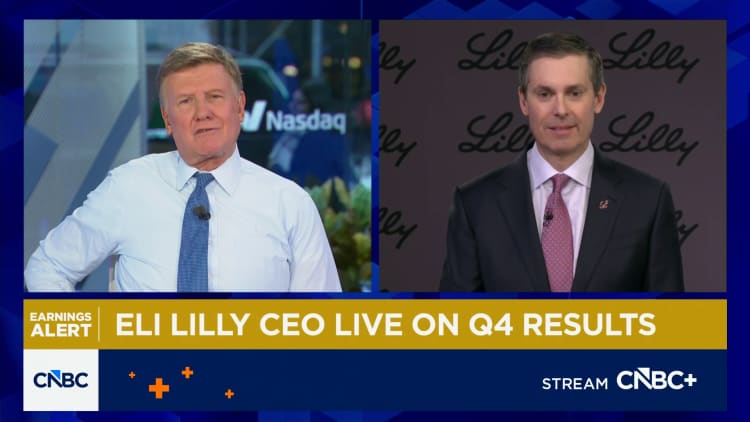
Eli Lilly and Novo Nordisk gave 2026 forecasts within 24 hours of each other that pointed in opposite directions. Lilly projected sales of $80 billion to $83 billion, above the $77.62 billion analysts expected, according to LSEG, while Novo Nordisk warned that its sales and profit could fall 5% to 13% this year [1].
The midpoint of Lilly's range works out to about 25% sales growth in 2026 [1]. Novo attributed its expected decline to falling prices in the U.S. and the loss of exclusivity for its obesity and diabetes drugs in China, Brazil and Canada [1]. Both companies are absorbing the same U.S. pricing pressure: Lilly pointed to a "global pricing decline in the low- to mid- teens" percentages this year, following the "most favored nation" deals both drugmakers struck with President Donald Trump in November 2025 to cut obesity and diabetes drug costs, plus their own moves to lower direct-to-consumer prices [1].
Why the forecasts split
CNBC reported that Lilly has taken a clear share lead in obesity and diabetes, helped by its injections and its early push into direct-to-consumer sales [1]. Leerink Partners analyst David Risinger said the gap "was visible throughout 2025, but the dichotomy between the two companies' prospects was accentuated within this 24-hour period in which Novo guided below consensus and Lilly guided above consensus expectations" [1].
Risinger described tirzepatide — the molecule in Zepbound and Mounjaro — as "superior" in effectiveness and tolerability compared with semaglutide, the molecule in Novo's Ozempic and Wegovy, citing a head-to-head trial Lilly ran in 2024 and prescribing trends [1]. Patents also differ: Novo flagged expiring protection in some international markets, while Lilly CEO David Ricks said tirzepatide should be protected into "the back half of the 2030s" in major markets [1].
Ricks said 20 million to 25 million patients are currently taking the two companies' medicines combined, and called the total addressable obesity market "gigantic" [1]. He also pointed to Medicare coverage of obesity treatments starting for the first time by at least July, which he said would open access to 40 million Medicare beneficiaries and "could be quite expansive to volume" [1].
The pill fight
Novo is first to market with a GLP-1 pill for obesity. Its oral Wegovy reached 50,000 weekly prescriptions in just under three weeks after launch, helped by the recognizable Wegovy brand and direct-to-consumer advertising that started in early January, Risinger said [1].
Lilly expects to launch orforglipron, its obesity pill, in the second quarter, pending U.S. approval [1]. The two pills work differently. Orforglipron is a small molecule that is absorbed more easily and does not carry dietary restrictions; the Wegovy pill is a peptide, and patients are supposed to take it with no more than four ounces of water and wait 30 minutes before eating or drinking anything else [1].
On efficacy, CNBC reported that trial data suggest Novo's Wegovy pill produces weight loss comparable to the injection, around 15%, while Lilly's pill appears slightly less effective based on separate studies — not head-to-head data [1]. Novo CEO Mike Doustdar said, "Clearly we have the most efficacious weight-reduction pill that there is and I'm very optimistic and bullish on when they come with their pill and we have to battle this out" [1].
Why it matters for patients
Corporate guidance is not a clinical result, but it does shape what patients encounter. Both companies expect U.S. prices to keep falling this year, and the Trump agreements are expected to reduce sales revenue while eventually raising prescription volumes [1]. That points toward more affordable cash-pay and direct-to-consumer options, though the sources do not give specific 2026 price points.
The Medicare change matters most for older adults, who have largely been shut out of obesity drug coverage. Ricks said coverage begins by at least July and touches 40 million beneficiaries [1]. Exactly which products will be covered, and under what conditions, is not spelled out in the reporting.
On pills, patients may soon have two oral options with different daily routines and different weight-loss data. The Wegovy pill's water and fasting window is a real day-to-day difference [1]. Whether orforglipron's convenience offsets its apparently smaller weight-loss effect is an open question, and no head-to-head trial between the two pills is described in the sources.
What happens next
Sources
Semaglutides.org is for information only and is not medical advice. Always talk to a licensed healthcare provider about your own care. Some links to telehealth services are affiliate links, labeled where they appear.