Novo Nordisk starts DKK 15 billion share buyback as it warns of pricing pressure
Novo Nordisk's DKK 15 billion buyback follows a 2026 forecast of falling sales and profit, driven by U.S. pricing pressure that is also reshaping what patients pay for Wegovy.
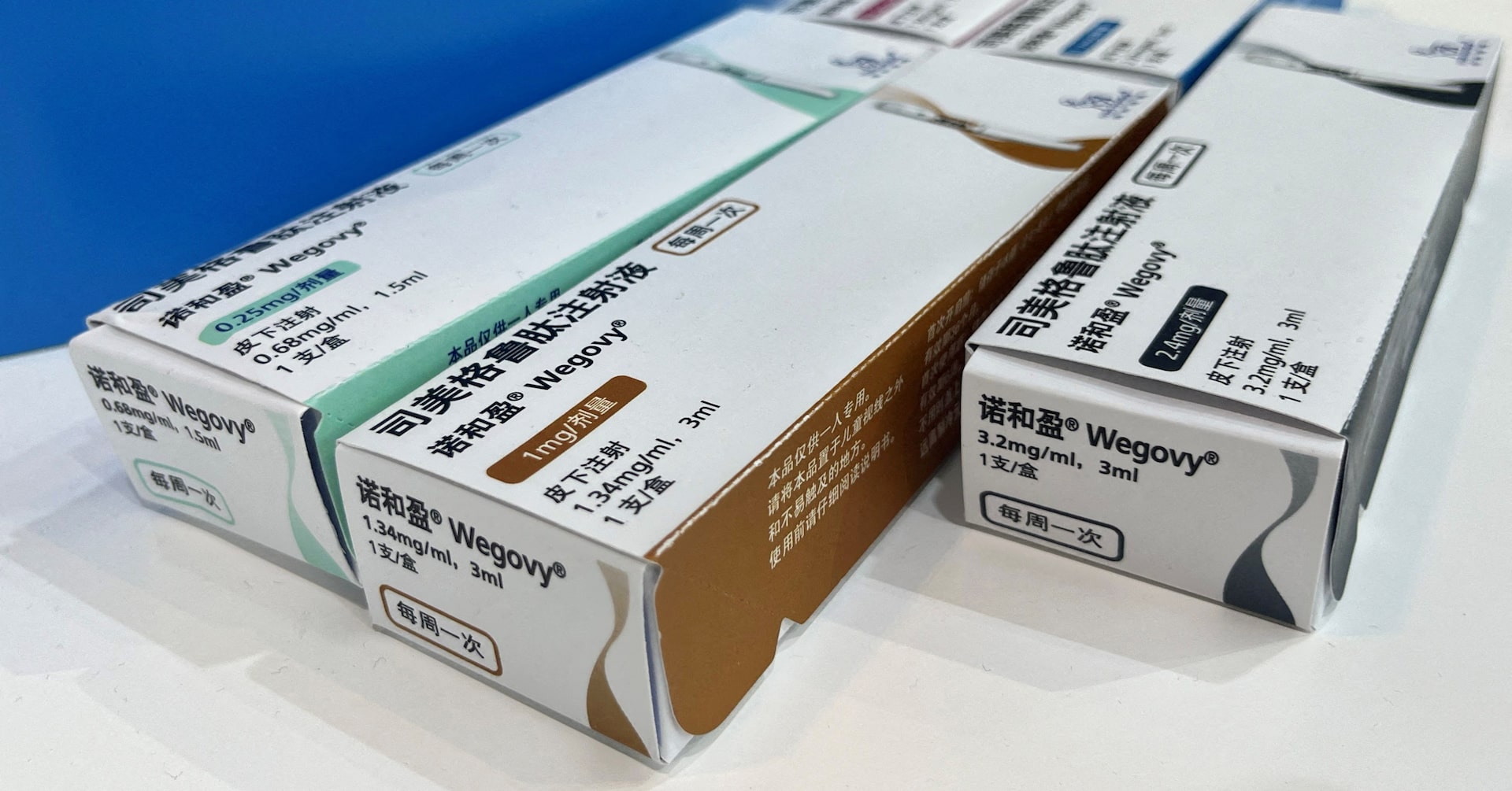
Novo Nordisk will buy back up to DKK 15 billion (about $2.4 billion) of its own shares, the Danish drugmaker said on February 4, 2026, announcing the program alongside 2025 results and a 2026 forecast that warned of "unprecedented" pricing pressure [3][4].
A smaller buyback of up to DKK 3.8 billion runs from February 4 to May 4, 2026 [3]. Novo has not reported a start or end date for the DKK 15 billion program. The board also proposed a final 2025 dividend of DKK 7.95 per share at the annual general meeting on March 26, 2026, which would bring the total 2025 dividend to DKK 11.70 per share [3].
The buyback came with sharply lower expectations. Novo reported 2025 sales of DKK 309.06 billion, up 6% in kroner and 10% at constant exchange rates, with operating profit of DKK 127.66 billion and net profit of DKK 102.43 billion [1]. Obesity care sales rose 31% at constant rates to DKK 82.35 billion, and Ozempic sales rose 10% to DKK 127.09 billion [1]. For 2026, the company guided adjusted sales and adjusted operating profit to fall between 5% and 13% at constant exchange rates [1]. Analysts had expected a much smaller decline: a company-compiled poll averaged a 2% drop [4], and a market report put analyst expectations at about 1.4% [3].
"Our 2026 guidance reflects a year of unprecedented pricing pressure," CEO Mike Doustdar told journalists, adding that the "painful" impact was an "investment for our future" [4]. Chief Financial Officer Karsten Munk Knudsen said U.S. sales are expected to fall "in the teens," potentially steeper than the companywide range [4].
Reuters reported that the U.S. pressure is driven more by a larger-than-expected shift toward patients paying cash and by rising rebate demands from insurers than by the Trump administration's "most favored nation" policy on drug prices [4]. Novo also cited semaglutide patent expiries in markets outside the United States and competition from compounded GLP-1 products, which as many as 1.5 million Americans use [4].
Investors reacted sharply. Novo's U.S.-listed shares were briefly halted and closed down 14.6%, while its European-listed shares fell 18% [3]. Reuters reported a 16% decline at 1220 GMT and said the drop erased nearly $50 billion in market value [4]. The company's market value was $259 billion at Tuesday's close, down from more than $600 billion in 2024 [4].
The company pointed to its new oral Wegovy as a bright spot. The pill, oral semaglutide 25 mg, was approved by the FDA on December 22, 2024, and launched January 5, 2026 [3]. Weekly prescriptions reached about 50,000 by January 23, and Doustdar said 170,000 people were taking it [3]. Knudsen said about 90% of U.S. Wegovy pill sales so far were cash-pay [4]. Novo sells the pill to self-paying patients at $149 per month, rising to $199 in April, and sells Wegovy injections at $349 per month to cash payers [4].
Why it matters for patients
A buyback returns cash to shareholders; it does not change how any GLP-1 drug is made, tested or prescribed [1][3]. But the pricing pressure behind the forecast is the same force shaping what patients pay. Novo has moved much of its U.S. Wegovy business to cash-pay channels: $149 a month for the pill, rising to $199 in April, and $349 a month for the injection [4]. A larger share of patients paying out of pocket rather than through insurance was one reason the company cut its outlook [4]. Medicaid coverage for obesity drugs has also narrowed in the U.S. [3].
Cheaper alternatives remain part of the picture: as many as 1.5 million Americans use compounded GLP-1 medications rather than branded products, according to Reuters [4]. Novo has said it wants U.S. regulators and politicians to address compounded versions, and the company's CFO said predicting when that market changes "is really hard" [4]. Whether semaglutide patent expiries outside the U.S. will lower prices for patients in those markets, or when, has not been reported.
What happens next
The DKK 3.8 billion buyback runs through May 4, 2026 [3]. Novo's annual general meeting is set for March 26, 2026 [3]. Additional Wegovy launches in other markets and a 7.2 mg dose in multiple countries are planned during 2026 [3], and the company expects regulatory decisions in 2026 on Mim8 for hemophilia and CagriSema for obesity [3]. In its half-year report dated August 4, 2026, Novo said it had returned DKK 5.9 billion through share repurchases in the first six months of 2026 and raised its 2026 adjusted sales and adjusted operating profit guidance to a range of 0% to -6% at constant exchange rates [2].
Images from the sources

Sources
- https://annualreport.novonordisk.com/2025/strategic-aspirations/financial-performance.html
- https://www.sec.gov/Archives/edgar/data/0000353278/000035327826000023/caq22026.htm
- https://news.futunn.com/en/post/68406554/novo-nordisk-a-s-shares-plummeted-as-the-ceo-admitted
- https://www.reuters.com/business/healthcare-pharmaceuticals/novo-nordisks-shock-2026-guidance-points-obesity-battle-heating-up-2026-02-04/
Semaglutides.org provides information only, not medical advice. Talk to a licensed provider about your own care before making changes. Some telehealth links are affiliate links and are labeled where they appear.