Novo shares plunge 16% to 18%, erasing nearly $50 billion
Novo Nordisk lost nearly $50 billion in market value after warning that "unprecedented" US pricing pressure could cut 2026 sales and profit by up to 13% — a shift driven partly by cash-pay pricing that patients now use.
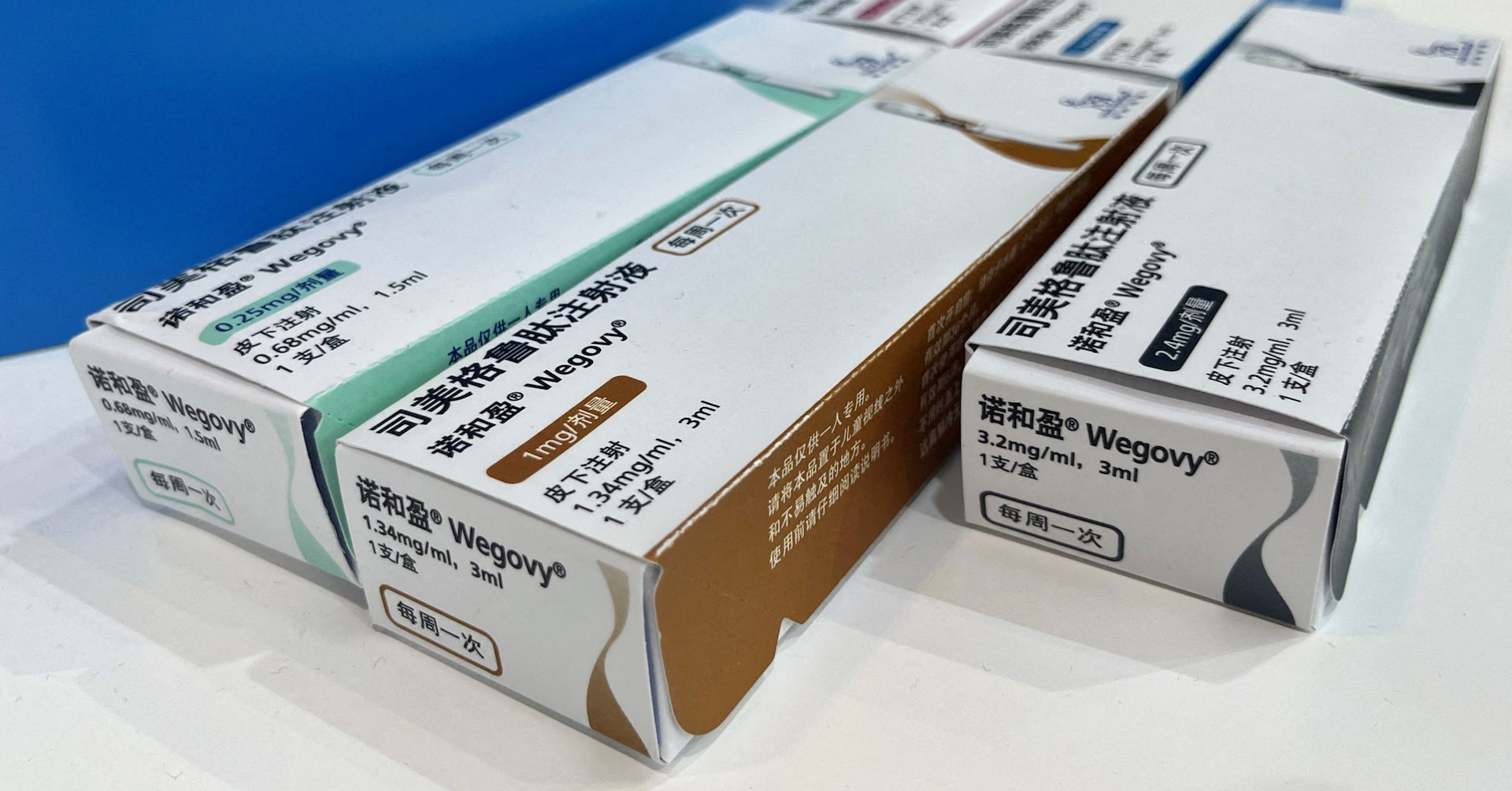
Novo Nordisk's shares fell sharply on Wednesday, February 4, wiping close to $50 billion off the value of the Danish maker of Ozempic and Wegovy, after the company warned that "unprecedented" price pressure would push sales and profits down this year [2].
The size of the one-day drop depends on when you look. Reuters reported shares down 16% at 1220 GMT [2], while Pharmaceutical Technology reported an 18% fall at the Copenhagen open, from DKr 367.80 at the previous close to DKr 302.00, leaving a market capitalization of DKr 1.38 trillion [1]. Novo also said it would buy back up to DKK 3.8 billion of its own shares, followed by a further program of up to DKK 15 billion; the sources reviewed here do not give more detail on the timing of those programs.
What Novo actually forecast
In guidance issued after the European market closed on February 3, Novo said adjusted sales and adjusted operating profit would each fall between 5% and 13% in 2026 at constant exchange rates [1][2]. That would end years of double-digit growth: 2025 sales rose 10% to DKr 309 billion [1]. Analysts had, on average, penciled in a 2% decline, according to a company-compiled poll [2]. Citi analysts said the sales and profit guidance came in 8% and 10% below consensus at the midpoints [1].
Chief Executive Mike Doustdar said the outlook "reflects a year of unprecedented pricing pressure," and that he hoped the "painful" impact would be an "investment for our future" [2]. Chief Financial Officer Karsten Munk Knudsen told Reuters the pressure in the US is being driven more by a larger-than-expected shift toward self-paying patients and rising rebate demands from insurers than by the Trump administration's "most favored nation" pricing policy [2]. He said US sales are expected to fall in the "teens" — steeper than the overall company forecast [2].
Novo also blamed fierce competition and semaglutide patent expirations in markets outside the US, including Brazil, Canada and China [1][2]. Compounded GLP-1 copies remain a factor too: as many as 1.5 million Americans are using compounded versions rather than branded products [2]. Knudsen said Novo is "still frustrated" that "mass marketing of a product unapproved by the FDA" continues, and that it is up to the FDA and US politicians to act [2].
Why it matters for patients
The numbers behind the stock drop are largely prices patients pay or that insurers negotiate. Novo is selling lower doses of its daily oral Wegovy pill in the US for $149 a month for self-paying patients, rising to $199 in April [2]. It began selling Wegovy injections at $349 a month to cash payers in November [2]. Eli Lilly plans to cap higher doses of its obesity pill, orforglipron, at $399 a month for repeat cash buyers if it is approved [2].
That cash-pay channel is now a big part of the market. Novo said weekly prescriptions for the Wegovy pill reached about 50,000 by January 23, well above the roughly 20,000 a week captured by market tracking data that misses cash-pay routes such as NovoCare and telehealth [2][1]. Knudsen said about 90% of US Wegovy pill sales so far were cash-pay, with telehealth partnerships helping at a "tremendous" pace [2].
For patients, lower list and cash prices are the flip side of Novo's shrinking revenue. What is not yet known is whether continued price competition holds, or whether insurer rebate demands and company financial pressure change coverage, copays or program terms later in the year. The sources do not address supply or coverage changes.
What happens next
- April 2026: the self-pay price for lower doses of oral Wegovy is set to rise from $149 to $199 a month [2].
- 2026 full year: Novo's guidance of a 5% to 13% decline in sales and adjusted operating profit will be tested against quarterly results [1][2].
- Novo is also fighting semaglutide's Inflation Reduction Act price change in court, and is counting on CagriSema, which reported positive Phase III results the same week, to fill revenue gaps [1].
Images from the sources
Sources
Semaglutides.org is for information only and is not medical advice. Always talk to a licensed healthcare provider about your own care. Some links to telehealth services are affiliate links, labeled where they appear.