England offers general practitioners a bonus for prescribing Mounjaro
Starting in April, England will pay family doctors up to £3,000 a year to prescribe Mounjaro (tirzepatide), a sign of how differently the same drug moves through a government health system versus the US market.
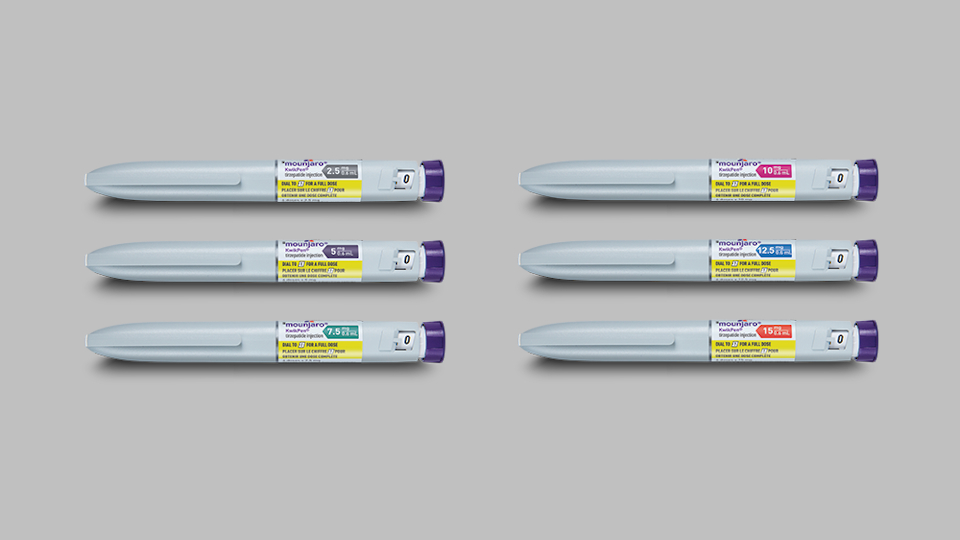
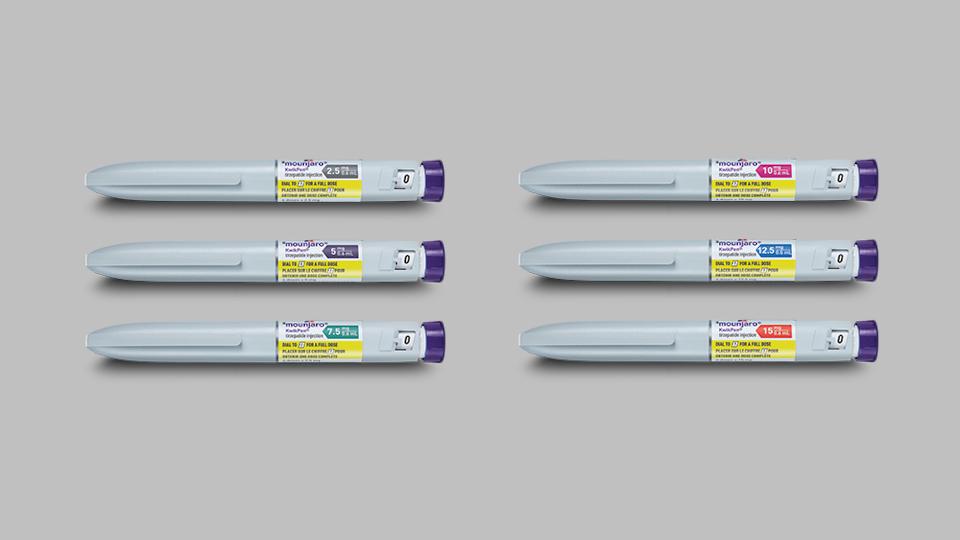
Starting in April, general practitioners (GPs) in England will be eligible for bonus payments for prescribing Mounjaro, Eli Lilly's tirzepatide injection, under changes to the 2026/27 GP contract [1]. The incentive is meant to speed up a rollout that officials say has been too slow [1].
Under the new terms, GPs can receive up to £3,000 a year for Mounjaro prescriptions and an additional £1,000 for referring patients to weight-loss programs [1]. The plan is backed by £25 million in guaranteed funding [1]. The changes come through the Quality and Outcomes Framework, a pay-for-performance system used in England's National Health Service (NHS) [1].
The push comes amid data showing that nearly two-thirds, 64.5%, of adults in England were overweight or living with obesity between 2023 and 2024, a condition linked to higher risk of type 2 diabetes, cardiovascular disease and some cancers [1]. The UK government estimates obesity costs the NHS about £11.4 billion a year [1]. Health Secretary Wes Streeting said access to weight-loss drugs "should be based on need, not ability to pay," and pointed to concerns about people buying the drugs privately or turning to "rogue prescribers peddling dangerous unlicensed drugs" [1].
Currently, Mounjaro on the NHS is limited to people with a body mass index (BMI) over 40 who also have weight-related health complications, with a lower threshold of 37.5 for certain ethnicities [1]. That eligibility bar is set to widen next year to include people with a BMI of 35 or higher plus a related health condition [1]. The National Pharmacy Association welcomed the GP incentive but argued that pharmacies, not just GPs, should be commissioned to run weight-management services, since GPs are already overstretched and the rollout so far has reached only "a handful of patients" in some parts of the country [1].
Why it matters for patients
For US patients, this development is a reminder that the same molecule, tirzepatide, can reach people through very different systems depending on where they live. In England, Mounjaro is distributed through a public health service with government-set eligibility thresholds, referral pathways and now financial incentives aimed at doctors to encourage prescribing [1]. In the United States, access to Zepbound or Mounjaro typically depends on private insurance coverage, out-of-pocket cost and individual prescriber decisions, without a national eligibility threshold or a bonus structure for doctors [1].
This contrast helps explain why headlines about drug access, cost or shortages in the UK do not necessarily predict what will happen for patients in the US. The clinical drug is the same, tirzepatide, but the rules that determine who can get it, how much it costs and how quickly doctors prescribe it are set by separate national systems [1].
The NHS incentive also highlights a persistent worry that officials there flagged: some patients turn to unregulated or unlicensed sources when access through the official system is slow [1]. That concern is not unique to England, and it underscores why sourcing weight-loss medications through verified pharmacies and licensed prescribers matters regardless of country.
What happens next
The GP bonus payments are set to begin in April 2026 [1]. Separately, NHS eligibility criteria for Mounjaro are expected to widen in 2027 to include patients with a BMI of 35 or above who also have a weight-related comorbidity, expanding beyond the current threshold of BMI over 40 [1]. It is not yet known from available sources how many additional patients this widened threshold will bring into treatment, or how the incentive program will affect actual prescribing volumes once it takes effect.
Images from the sources
Sources
Semaglutides.org is for information only and is not medical advice. Always talk to a licensed healthcare provider about your own care. Some links to telehealth services are affiliate links, labeled where they appear.