FDA approves setmelanotide for acquired hypothalamic obesity
The FDA approved Imcivree (setmelanotide) for acquired hypothalamic obesity, giving roughly 10,000 U.S. patients with this rare, injury-caused weight condition their first approved medicine, distinct from GLP-1 drugs like Wegovy or Zepbound.[1]
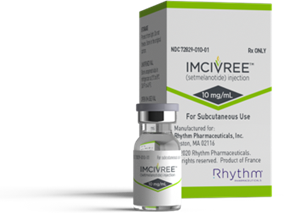
The U.S. Food and Drug Administration approved an expanded indication for Imcivree (setmelanotide), made by Rhythm Pharmaceuticals, to treat acquired hypothalamic obesity in adults and children aged 4 and older.[1] The company says this makes Imcivree the first and only FDA-approved therapy for the condition.[1]
Acquired hypothalamic obesity is a rare disease caused by injury to the hypothalamus, the part of the brain that regulates hunger and energy use.[1] It most often follows tumors such as craniopharyngioma or astrocytoma, or their treatment, but can also result from traumatic brain injury, stroke or inflammation.[1] The damage disrupts a signaling chain called the MC4R pathway, leading to rapid, sustained weight gain and often intense hunger, sometimes starting as early as six months after the injury.[1] Rhythm estimates about 10,000 people in the United States live with acquired hypothalamic obesity.[1]
The approval rests on the Phase 3 TRANSCEND trial, which enrolled 142 patients.[1] The study met its main goal, showing an 18.4% placebo-adjusted reduction in body mass index.[1] Patients on setmelanotide (94 people) saw their BMI drop 15.8% on average, while those on placebo (48 people) saw a 2.6% increase, over 52 weeks; the difference was statistically significant (p<0.0001).[1] Rhythm called the drug generally well tolerated, with skin hyperpigmentation, nausea, vomiting and headache each occurring in more than 20% of participants.[1]
Setmelanotide is not a GLP-1 medicine. It works through the MC4R pathway rather than the incretin system targeted by semaglutide (Ozempic, Wegovy, Rybelsus), tirzepatide (Mounjaro, Zepbound) or orforglipron (Foundayo). Imcivree was already approved for syndromic or monogenic obesity linked to Bardet-Biedl syndrome or POMC, PCSK1, or LEPR gene deficiencies in patients aged 2 and older; this action adds acquired hypothalamic obesity as a separate approved use for ages 4 and up.[1]
Why it matters for patients
For the roughly 10,000 Americans with acquired hypothalamic obesity, this approval means there is now a labeled treatment aimed at the underlying biology of their condition rather than general obesity care.[1] Dr. Ashley Shoemaker of Vanderbilt Health said in the company's release that treated patients showed "meaningful reductions in BMI and hunger" in both children and adults.[1] Amy Wood, of the Raymond A. Wood Foundation, said families affected by the disease have long lacked options.[1]
The drug carries specific warnings relevant to this population. In patients with acquired hypothalamic obesity and secondary adrenal insufficiency, serious acute adrenal insufficiency reactions occurred in 5% of those on setmelanotide versus none on placebo.[1] Among patients with the condition who also had central diabetes insipidus, hyponatremia occurred in 6% on the drug versus 2% on placebo, and hypernatremia in 5% versus 4%.[1] Other listed risks include skin hyperpigmentation, new or darkening moles, spontaneous penile erections lasting over four hours, depression and suicidal ideation, and serious hypersensitivity reactions including anaphylaxis.[1] The label calls for full-body skin exams before and during treatment and monitoring for mood changes and sodium levels where relevant.[1]
Rhythm said Imcivree would be available immediately in the U.S. and pointed patients to its Rhythm InTune support program for help with insurance navigation, injection training and general education.[1]
What happens next
Rhythm held a conference call on the evening of March 19, 2026, to discuss the approval with investors and clinicians.[1] The company continues to study additional MC4R-pathway medicines, including bivamelagon and RM-718, though no dates for those programs were given in this release.[1] Longer-term data on how patients fare on setmelanotide for acquired hypothalamic obesity beyond the 52-week trial period are not yet available in the sources reviewed.
Sources
Semaglutides.org is for information only and is not medical advice. Always talk to a licensed healthcare provider about your own care. Some links to telehealth services are affiliate links, labeled where they appear.